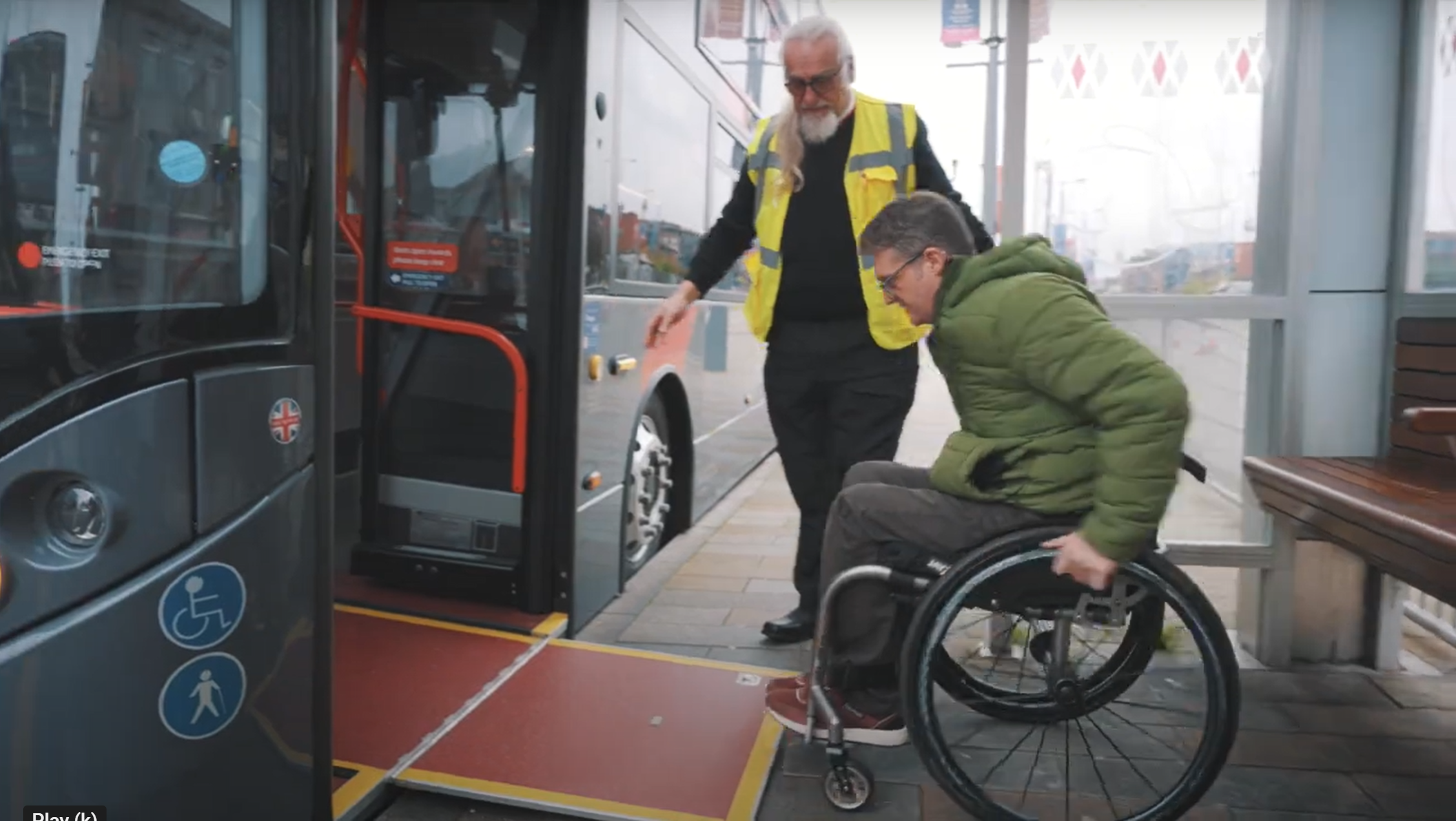
Bus and coach travel as a powered wheelchair user
Bus and coach travel are a convenient alternative to car and train travel, allowing you to be independent and return to work and leisure activities. Bus travel can be a great way to get around your local area.
Coaches can be great for longer journeys. Whilst there may be unexpected issues, we hope the following information will help you to get ready for your journey.
Planning your journey
Regulations now mean that all new bus and coaches should be accessible. The GOV.UK website has more information on your rights: Buses and coaches.
features and help for disabled people
- Some wheelchairs and mobility scooters will not fit on a bus or a coach. It is helpful to know the measurements and weight of your wheelchair before you travel.
- For bus routes, check Google Maps to get an idea of the accessibility of the bus stops that you want to use.
- Contact your local bus company or look at their websites to get access information about the service you want to use.
If you are new to bus and coach travel it might be worth a practice run or your first journey being short and local, so you feel comfortable with it.
- A bus journey does not need to be pre booked so if you know the route you are planning to take and the time of the bus you can show up at the bus stop and wait. Most buses only have one wheelchair space, if this is already taken then you may need to wait for the next bus.
- If you are planning on travelling by coach then you should pre book and give at least 48 hours’ notice if you need assistance or plan to travel in your wheelchair.
- Apps such as UK Bus Checker and CityMapper can be useful for checking bus routes and live bus tracking.
Preparing for and during travel
TIP! … Before you set off know the measurements of your wheelchair so you know whether your chair will fit in the wheelchair space.

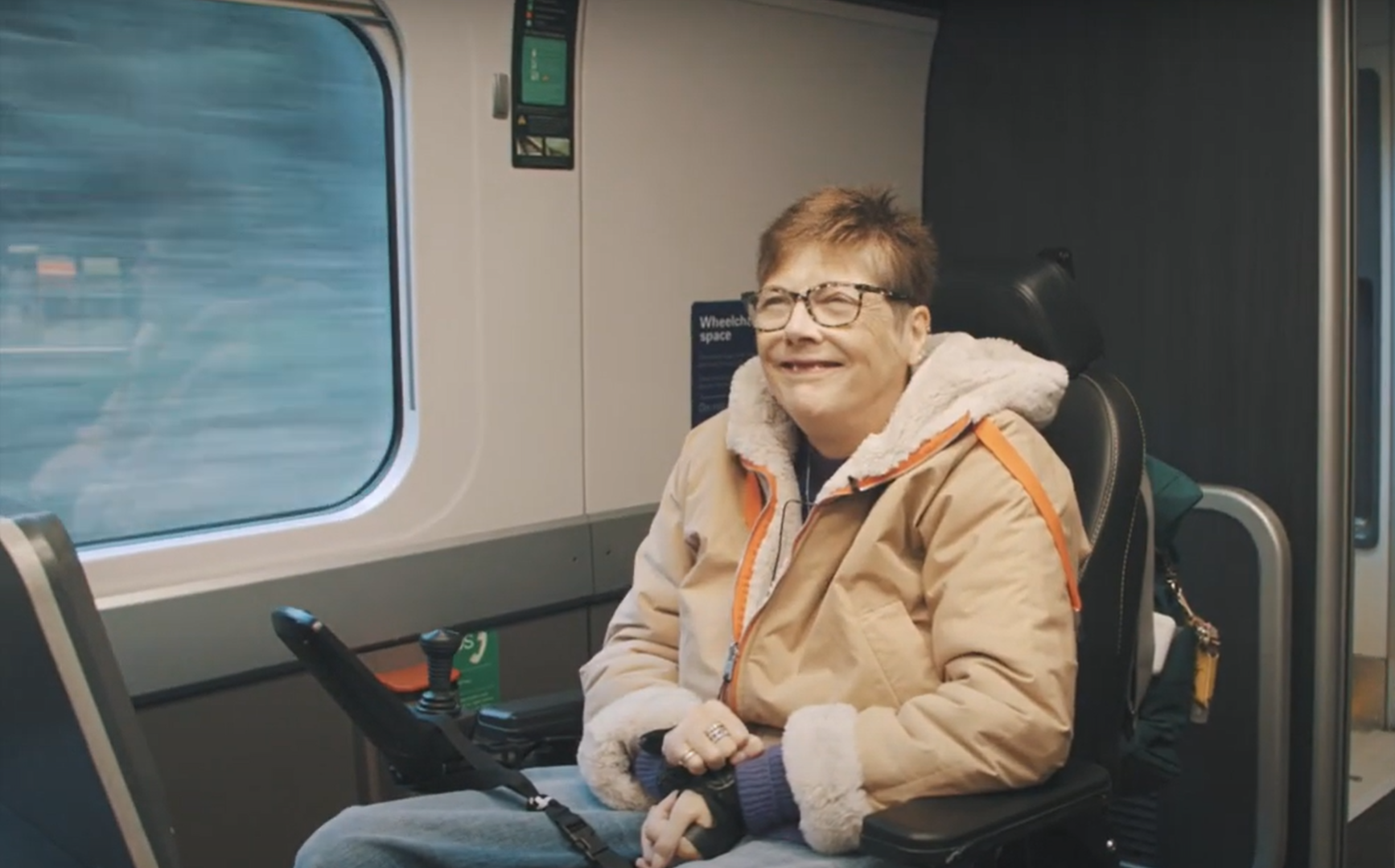
On a coach your wheelchair will get secured down by the driver for your safety. It can be helpful if you know the points on your wheelchair where it is best for straps to be secured to, known as ‘tethering points’. The manufacturers website of your wheelchair will show this information if you are unsure.
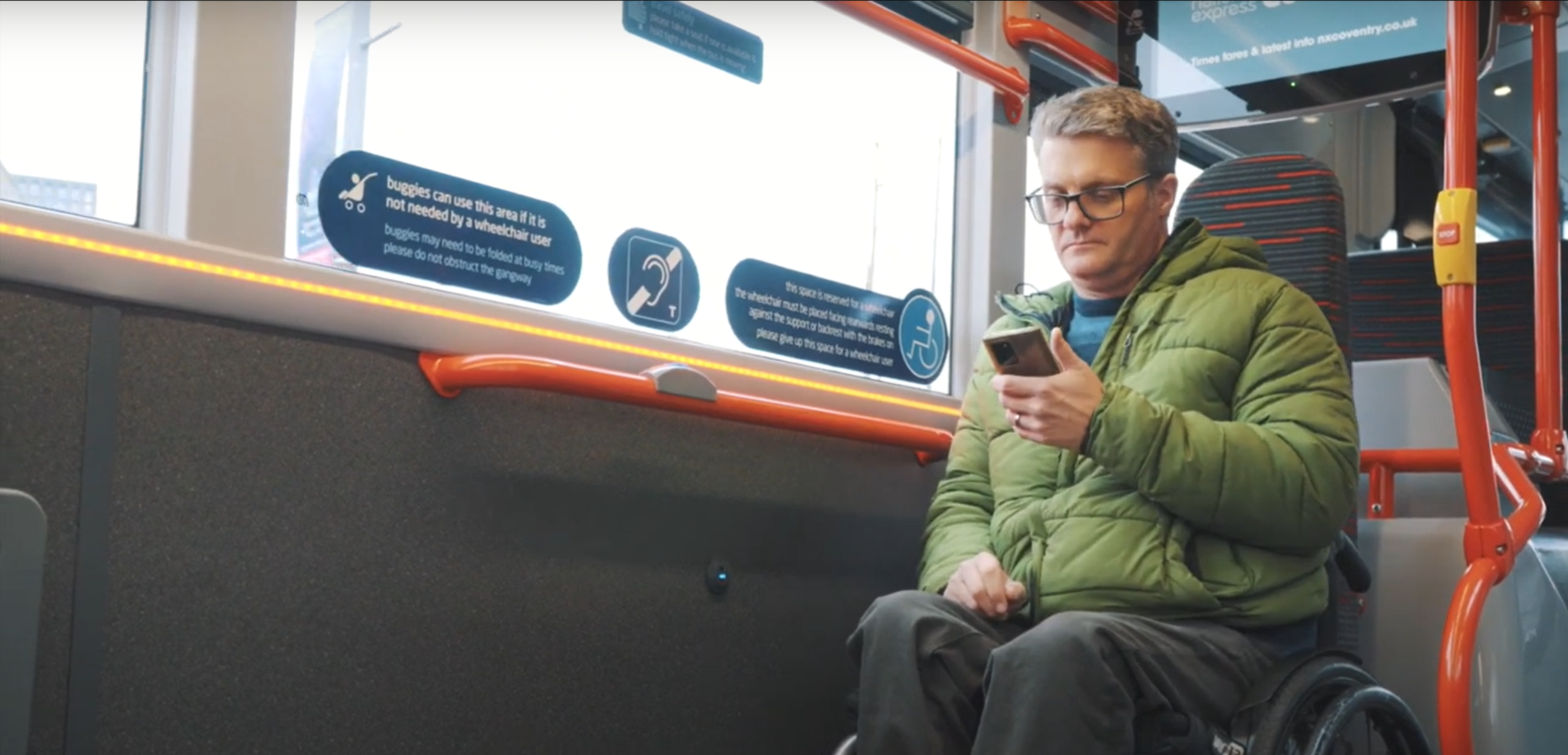
On a bus your powered wheelchair should be positioned in the wheelchair space. You may be travelling backwards. You will need to back up into the space and make sure you but the brakes on for safety.
How do I get to the bus stop or the coach station?
If you are travelling by bus, get to know your local bus services and stops and whether they are accessible. Google maps can be useful for photos of bus stops so you know what to expect. You can also contact your local bus providers for more information.
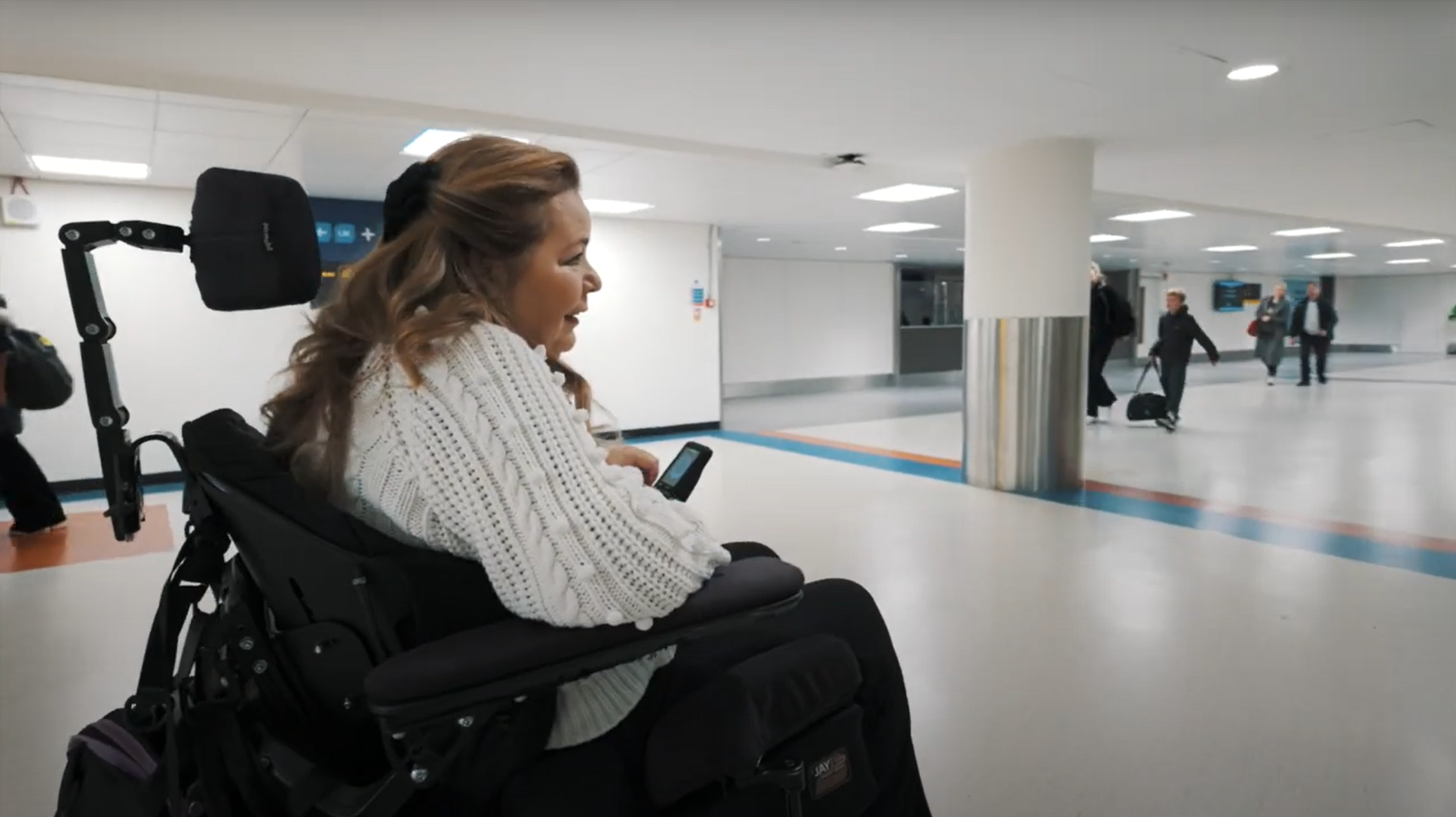
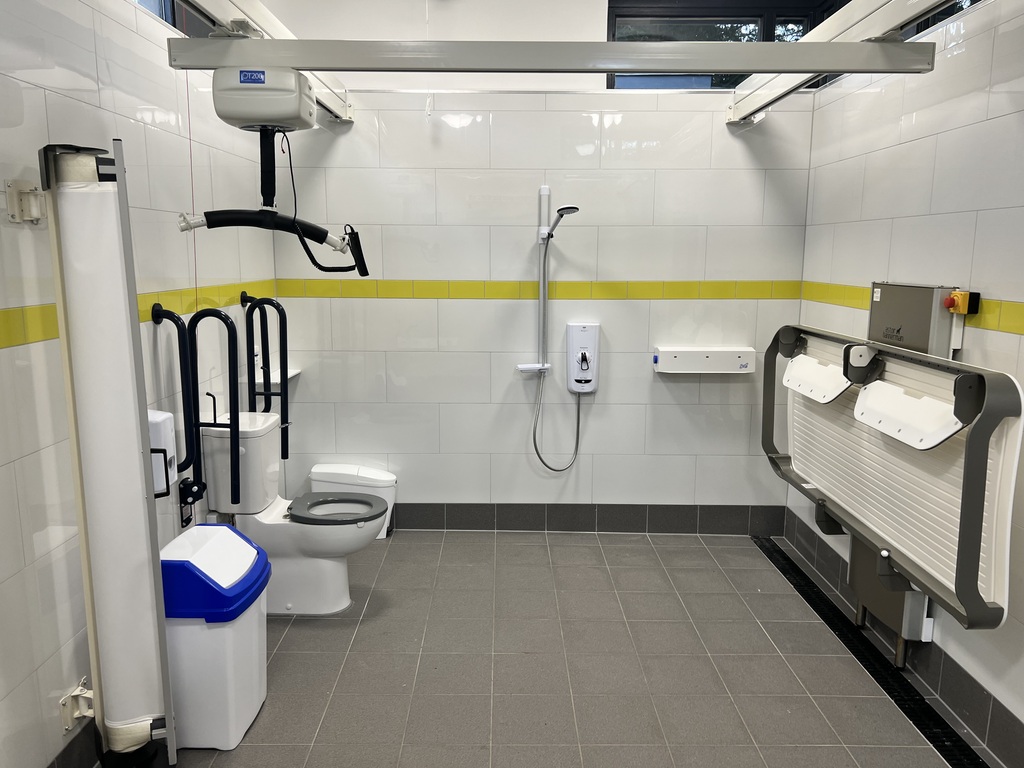
Think about the time it takes to travel to the coach station and leave plenty of extra time. Find out what facilities are available at the coach station such as disabled toilet and parking options by looking at their website.
How do I get assistance?
- When travelling by bus or coach the driver is there to help you get on and off. They will also help to tie down your wheelchair when needed, for safety. However, they will not be able to lift you or any heavy mobility equipment.
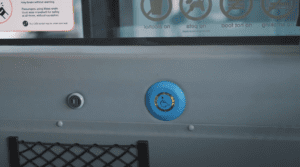
- If you enter the bus from the back, there will be a button to press to alert the driver you need help.
- The driver will operate the ramp or lift and explain how to get on and off the bus or coach.
- The driver may be able to help with your luggage if you require.
- Many coach companies allow you to prebook assistance. They will often have a separate phone number or online form which you can complete to explain what help you need.
Arriving at my destination
- It is helpful to check what the access is like at your end destination. Check out your options if you need other transport such as a taxi or train once you get to the end of your bus or coach journey.
- Use Google maps to check access at the end bus stop you plan to use and check what facilities are nearby, including toilet facilities.
- Think about your return journey. Check bus times and how often the service runs. Remember at busier periods you may have to wait for the next bus if the wheelchair space is already in use. In rural areas, buses run less often, so the next one might be hours or even a day away. It might be helpful to have a backup plan.