Blog
Finding strength in nature and nourishment
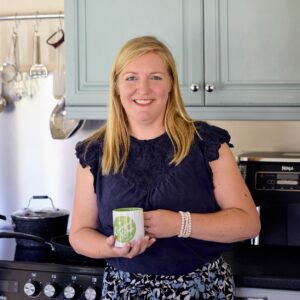
Finding strength in nature and nourishment: How food, farming and the outdoors support my wellbeing after spinal injury – by Milly Fyfe, SIA Champion for small business.
Living with a spinal cord injury changes far more than your physical body. It reshapes how you move through the world, how you manage pain, and how you protect your mental and emotional wellbeing. For me, learning how to live well alongside chronic pain has been a long, evolving journey—one that has led me back to two powerful, often overlooked tools for healing: nature and good food.
Before my injury, I worked on our farm and lived a life deeply connected to the land. After sustaining a spinal cord injury during childbirth, I suddenly found myself navigating persistent pain, fatigue, and the frustration of a body that no longer worked as it once had. Like many people living with spinal injury, I spent years trying different approaches to pain management while waiting for the right medical interventions.
During that time, I began to understand something fundamental: while medicine is vital, wellbeing is not built on treatment alone. It is shaped daily by what we eat, how we move, who we connect with, and whether we feel rooted to something meaningful.
Why nature matters
Spending time outdoors has been shown to reduce stress, improve mood, and support mental health—and from lived experience, I know this to be true. Nature does not ask you to perform or keep up; it meets you where you are. Whether it’s standing quietly in a field listening to the birds, planting seeds, or simply feeling fresh air on your face, these moments can ground you when pain threatens to overwhelm everything else.
For those of us living with spinal injuries, nature can also restore a sense of agency. It offers choice: how long you stay, how you engage, what feels manageable that day. That sense of control—so often lost after injury—is deeply empowering.
On our farm in Northamptonshire, reconnecting with the land became part of my pain-coping toolkit. It wasn’t about ignoring pain, but about widening my world so pain wasn’t the only thing taking up space.

Food as a foundation for health
Good food is another pillar of wellbeing that is frequently underestimated, particularly when living with chronic pain. Pain affects appetite, energy levels, digestion, and motivation. It can be tempting to see food as fuel alone—but food is also information for the body.
Eating regular, nourishing meals supports energy, gut health, mood, and weight management, all of which can influence pain levels and inflammation. For me, learning to prioritise simple, wholesome food helped stabilise my days. Cooking didn’t have to be elaborate or perfect—it just had to be kind to my body. The less processed the better.
There’s also something deeply human about preparing and sharing food. It connects us to memory, culture, and community. When mobility or pain limits other activities, food can still be a powerful way to participate, contribute, and connect.

The Countryside Kitchen: Turning lived experience into Community Support
These beliefs eventually grew into The Countryside Kitchen, a not-for-profit project offering hands-on, on-farm workshops rooted in the idea of Grow, Cook, Eat. The project is shaped by lived experience—my own, and that of the families, carers, and individuals who attend.
The Countryside Kitchen is not about telling people how to live. It’s about gently rebuilding confidence around food, nature, and everyday skills in a supportive, inclusive environment. We work with children, families, farmers, and people managing long-term health conditions to show that small, achievable actions—planting a seed, cooking a meal, eating together—can have a big impact on wellbeing.
For people living with spinal injuries or chronic pain, these small wins matter. They remind us that we are still capable, creative, and connected.
The role of medical intervention
Alongside lifestyle changes, medical advances have also played a crucial role in improving my quality of life. I have now had a DRG spinal cord stimulator installed via the NHS, which has significantly helped to manage my symptoms. While it has not removed pain entirely, it has reduced its intensity and unpredictability, allowing me to engage more fully with daily life, work, and community projects like The Countryside Kitchen.
Importantly, the improvement in my physical symptoms has also had a positive effect on my mental wellbeing. When pain is better managed, there is more headspace for connection, creativity, and hope.

A whole-person approach to living well
Living with a spinal cord injury requires a whole-person approach. Medical care, mental health support, community, movement, food, and nature all have a role to play. None are a cure, but together they create resilience.
My hope in sharing this story is to encourage others living with spinal injuries to explore what supports their wellbeing—without pressure, comparison, or guilt.
Sometimes progress looks like getting outside for five minutes. Sometimes it’s choosing a nourishing meal. Sometimes it’s accepting help. And sometimes, it’s finding purpose in helping others.
For me, that purpose has grown from the soil beneath my feet and the food on my plate—and it continues to nourish me every day.
- Written by Milly Fyfe – SIA Champion for small business (January 2026)