Blog
Meet the SIA support line team (Forward - Winter 2025)
SIA’s free support line is often the first port of call for people seeking support and advice after spinal cord injury.
During 2024-25, the support line team received over 1,100 requests for support. We met with Teresa Skinner, support line coordinator and Gil Pritchard, support line officer to learn more about the work they do.
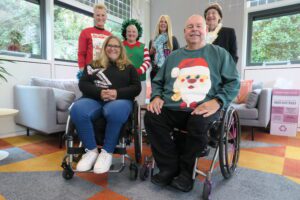
Gil, you’re fairly new to the role having first been part of the operations team at SIA. What appealed to you about working on the support line?
Gil: In my time at SIA, I’ve learned to love what we do and who we do it for. By nature, I’m a very caring and empathetic person. As I learned more about what the support team did, it really appealed to me. I wanted to feel like I could make a real difference in our members’ lives.
Teresa, you’ve spoken to and supported hundreds of our members since you began taking calls on the support line in October 2016. What exactly is the role of the support line and what qualities do you need to best support people?
Teresa: It’s a lifeline which allows people to talk to someone who understands where they are and what they’re going through. Everyone’s experience is different, and I can’t put myself in their place but with the training I’ve had and experience I’ve gained, I can support them to move forward either by referring them to our advocacy team, clinical specialists, counsellors or support coordinators.
You need to be compassionate and empathetic. The role has changed tremendously since I started. Questions I’d get back then were more practical.
Now we’re hearing from young people having to live in nursing homes in their 20s and 30s because they can’t get an accessible home to return to. We hear from people who leave hospital without basic things like a wheelchair – one person I spoke to has been in bed for 12 months because they’re on a waiting list for a wheelchair. As a professional, I have the tools not to show anger when I hear stories like this, but I do feel it!
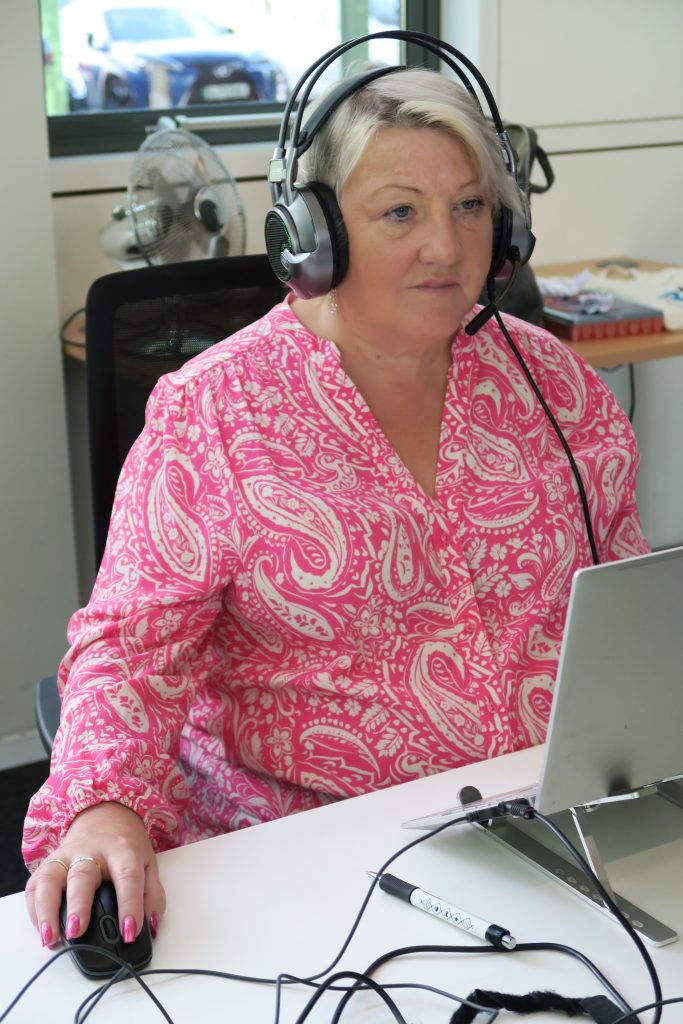
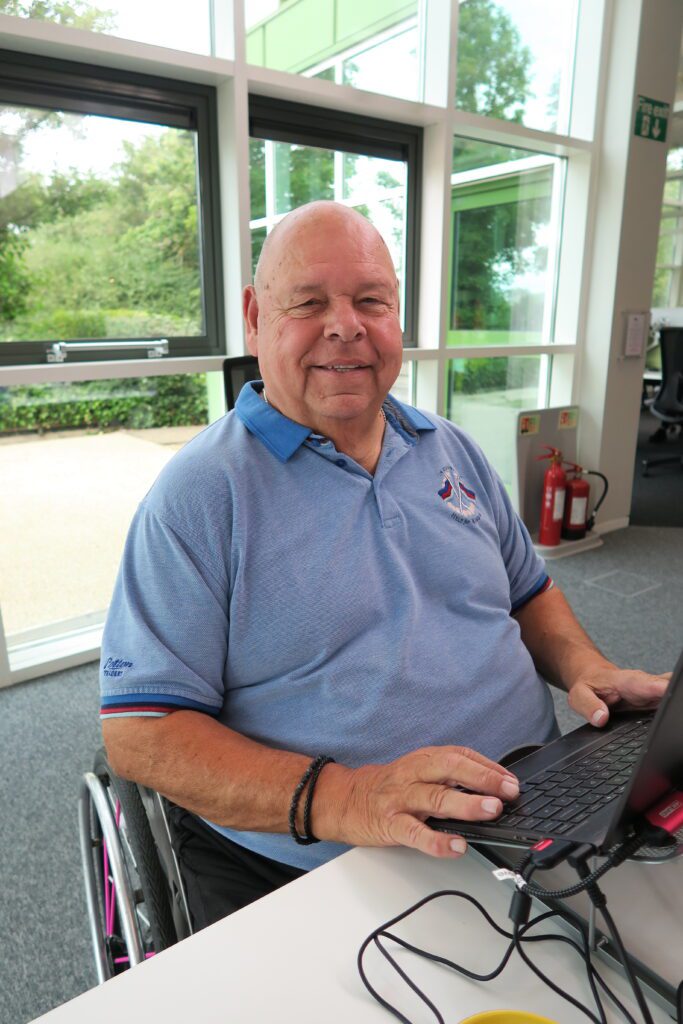
People often call the support line feeling quite understandably desperate and emotional. How do you handle that?
We’re so often told that it’s a relief to speak to someone who just understands, and people become quite emotional. I think our callers are so used to being dismissed; hey go to GP appointments but only have 10 minutes. You feel as if you’ve given them new life, especially after years of battling against the system. It’s like they’ve finally been able to come home.
Teresa: It was really emotional finding out you’ve made an impact on someone’s life like that. I’ve listened to calls for nine years, five days a week and all through Covid. You try not to take people’s stories home, but some really stick. She helped draw attention to the work we do on the support line – she’s done me a huge favour! My aim this year is to meet her in person.
It’s nearly 2026! What would be on your support line wish list for 2026?
Teresa: I’d like to have a volunteer on the support line every day. That would allow us to extend the service. At the moment, if we’re on a call, all other calls go to voicemail. When you try to get to voicemail, another call comes in. If we had more help, we’d be able to take more calls which means more people getting the help they need.

Anyone interested in volunteering, you’ll get great satisfaction from being able to support someone and make that person feel like they’re understood.
Gil: There’s five of us on the team – three are volunteers. Backed up voicemails puts the pressure on. We want to be able to focus 110% on one call at a time and having extra hands would allow us to do that.
Teresa: We’d also love more volunteers with advocacy experience and knowledge on our advocacy team who do such an amazing job.
Talk to us
Our freephone support line 0800 980 0501 is open for your call Monday to Friday. It is your gateway to all our other services and means our experienced staff can signpost you to the services you need, whether our own or those of our partners. If you prefer to contact us by email, you can do so at [email protected]. *If you have an urgent issue, please contact emergency services.

The SIA helpline was really good, and had great knowledge of the service that I needed. I am very appreciative and satisfied with the advice that’s been given to me.
If you are interested in volunteering with the SIA support line please get in touch
 This article was featured in the Winter 2025 issue of FORWARD, the only magazine dedicated to the spinal cord injury community.
SUBSCRIBE TODAY