

Adventure is different for everyone. It may not be an extreme activity, it may simply be altering your usual routines and exploring something new. This could involve pushing your boundaries and testing your limits about what you think you can achieve. And it could range from leaving the house for a day trip, to planning an activity trip abroad.

Adventure Travel

Planning your day out or trip
If you’re considering a trip outside of your usual routines, it’s useful to plan for the unexpected: changeable weather, travel delays, etc. Allow plenty of time for planning and research, and don’t be afraid to ask loads of questions!
Wherever you’re going, think about:
- considering shorter journeys or trips away, building towards longer, more complex trips as your confidence grows the environment: is it remote or likely to be crowded, especially at certain times of day?
- the conditions: what will the weather be like – hot, cold, wet, changeable? the geography and terrain: is it flat, hilly, urban, or rural? Are there unmade paths or cobbles? How would this affect your ability to get around?
- access: how easy is it to get to and around the location, is it single level or
mixed levels and steps? - your transport options: is there accessible parking, public transport?
- airport and hotel/destination transfer services: is this mode of transport accessible to you and your mobility aid?
- if flying – airline and mobility equipment requirements/restrictions,
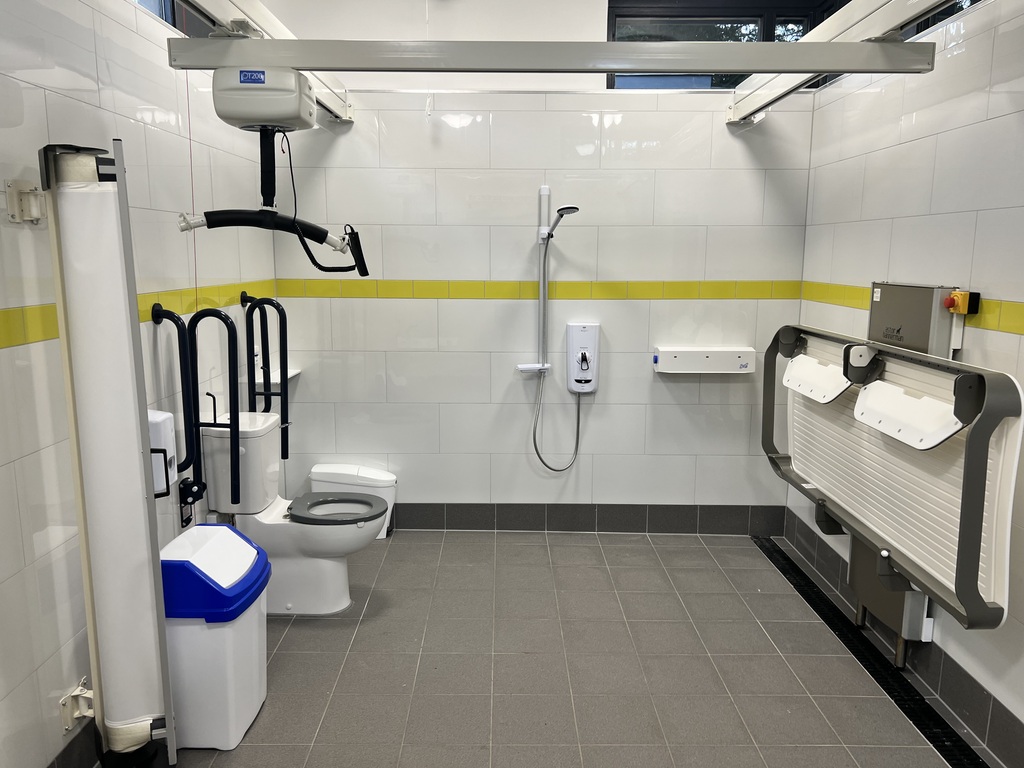
especially for smaller or more remotes services - facilities: are there accessible toilets on site or nearby?
- creating a packing list: tick off your essential supplies and note any queries to discuss before you travel
For overnight stays, don’t be afraid to ask…
- for photos of proposed hotel rooms and modes of transport
- loads of questions about your room/accommodation, including door widths, bathroom facilities, access, etc.
- if the accommodation and building is step-free throughout
- if there are any split levels, such as steps up to balconies
- what help or equipment is there to enable access to split levels, e.g. ramps
TIP! The more information you get from your host in advance, the more confidence you’ll have in their hospitality.
Your personal and care needs
This might involve talking to healthcare professionals about potential changes to your needs in a new environment. Or, if you’re travelling abroad, it might include research into different countries’ rules and recommendations
Everyday essentials
Why not:
- keep a bag of essential personal care items and a change of clothing in the car
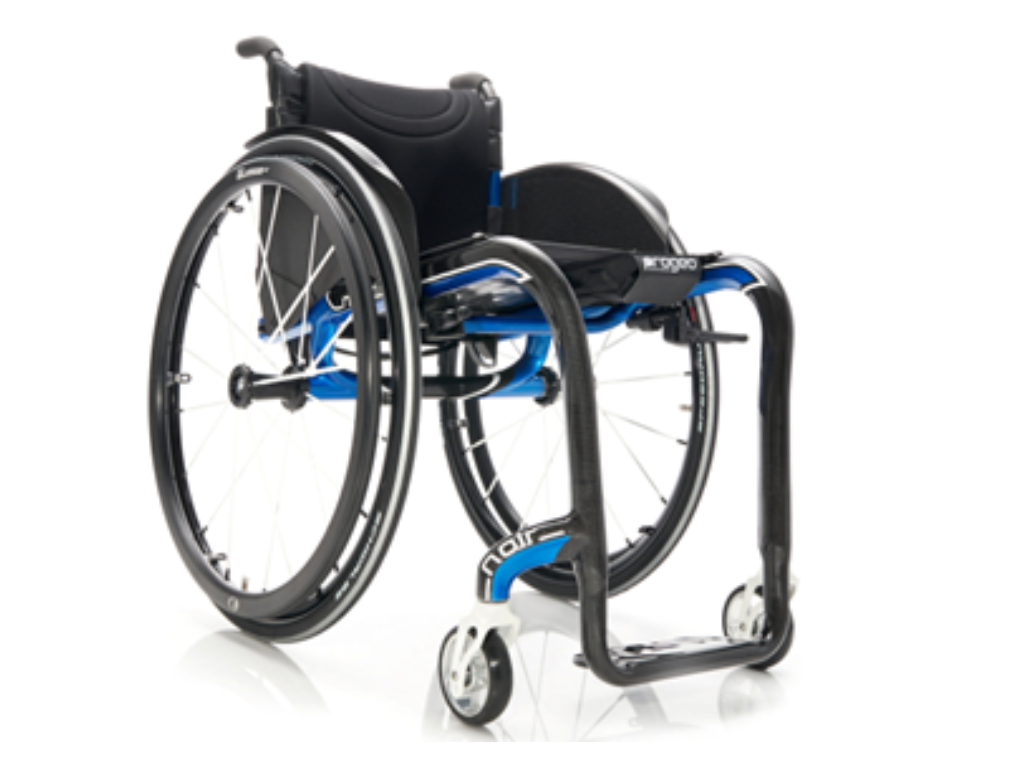
- sling a small bag under your wheelchair for easy access to essential items
- book excess baggage to allow for extra supplies if you’re travelling longer distances or for longer periods of time
- attach a laminated note to your wheelchair with dimensions, weight and type of batteries (if you’re travelling by air)
Don’t forget your:
- wheelchair toolkit (pump, Allen keys, spare inner tube, gaffa tape, zip ties)
- portable phone charger / power bank
- under-seat storage bag or box
- lightweight waterproofs (for you and your chair)
- sun protection (hat, sunscreen, light clothing)
- gloves for pushing the wheelchair
- lap blanket / heated clothing for warmth
Toilets /changing facilities and hygiene
You might need to pack:
- personal care items like catheters (take more than you need, and spread across your luggage in case of long journeys, delays, lost luggage or travel to remote places);
- alcohol gel or wipes in case you don’t have access to handwashing after toileting.
- You might need to ask your GP or spinal nurse specialist for advice if you think your needs may change in a new environment.
Diet
> Remember that trying new foods and changing routines is fun and exciting but be mindful how this may affect your bowel regime.
> Stay hydrated with clean and safe water and wash your hands before eating (or use hand gel if you can’t access handwashing facilities).

Your personal and care needs
Medication and vaccinations
You might need to pack:
> prescription medication
> over-the-counter remedies, e.g. painkillers
Remember:
- You might need vaccinations, depending on your destination.
- If you’re travelling abroad with prescription medication, customs officers may ask to see written confirmation from a healthcare professional.
- Pack more prescription medication than you need, to allow for any delays.
- Pack prescription medication in your carry-on luggage, in case your hold luggage gets lost or delayed.
- Pack extra disposable supplies and spread across your luggage items like catheters, etc. You can also ask your friends or family who are traveling with you to pack some in their cases, in case your luggage goes missing.
- Stock up on any over-the-counter remedies before you travel, especially if you’re travelling to remote areas.
You might need to:
- ask your GP surgery to print off a list of your prescriptions that you can show customs officers if asked;
- check whether you’ll need any vaccinations at .gov.uk;
- research the specific rules around medication for the country/ies you’re travelling through or to.
Skin care
Remember:
- When you travel to new areas and change routines, your skin can be affected. For example, warmth and humidity can affect your skin, so be vigilant with skin care.
- Your activities may be different and transfers more complex, so it’s important to check your skin for marks regularly and carefully.
You might need to pack:
- extra skin care cream and dressings if you think you’ll be exposed to challenging activities or environments.
Mobility equipment needs
Think about:
- whether the location is right for your level of mobility and your equipment or
wheelchair; - what kind of equipment you need to get there, get around and enjoy the area or activity; how you manage inclines, hills, steps, terrain and distances, including your ability to transfer; your wheelchair skills – do you need some additional training to get holiday ready?
Research what’s available – For UK and European trips, key destinations and tourist spots list information on their websites about: parking and transport options (including park & ride services), access and equipment to hire.

Consider the terrain…
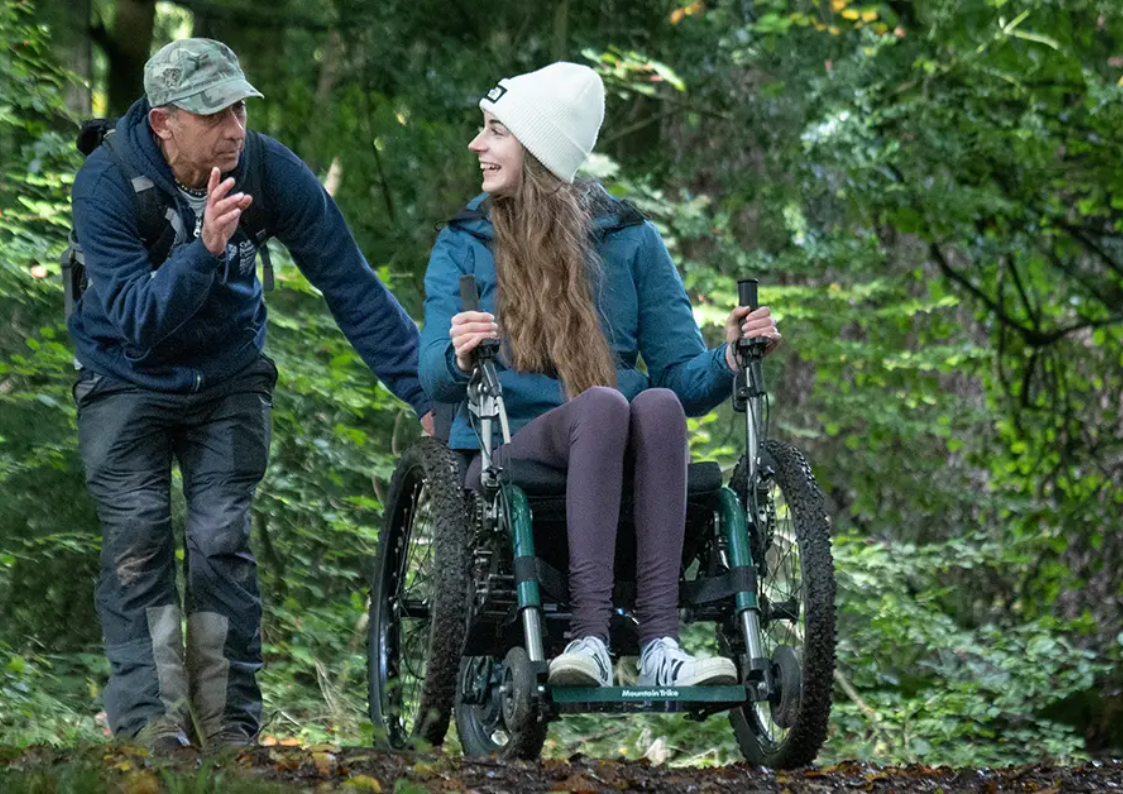
For remote or less developed areas, research the terrain, as well as local areas and cultures. Using larger castors, or mountain bike type tyres can help with rougher terrain.Some useful mobility aids that help with more challenging terrain or longer distances include:
- wheelchair & mobility adaptations.
- freewheel attachment – lifts the small front castors, making rough ground smoother.
- mountain bike tyres / larger castors – handle mud, gravel, and grass better
- power-assist add-ons (e.g. SmartDrive, Tri-Ride, Batec, Alber) – useful for long distances or hills.
- handcycle or clip-on bike attachments – for more active exploring.
- all-terrain wheelchair or Tramper hire – great for countryside and trails.
- crutches or walkers – for short transfers if this suits your mobility.
Equipment for travel comfort and independence
- transfer aids – sliding board, transfer sling, or compact hoist, if needed lightweight shower/commode chair (folding options available for travel)
- portable ramps – can help with single steps or kerbs travel cushion and back support – to prevent pressure injuries on long journeys
- spare batteries/chargers – for powered wheelchairs or add-ons adaptors / voltage converters – if travelling abroad with powered kit
- Apple Air Tags or equivalent to help trace your belongings if they go missing
Remember – if you’re flying, you must have flight-safe information for any electrical battery device. You can find this at your retailer or online. See our Check-in check list for more information.

Optional extras
- GPS or mapping apps with offline access for remote areas
- hydration pack or water bottle holder
- head torch / clip-on lights – useful if exploring later in the day
- camera mount or phone holder – if you want to record your adventure hands free
TIP! tailor this list to your personal needs and the type of environment you’re visiting. Start small, test your kit locally, then build up to bigger adventures.
Equipment hire
UK companies:
– Outdoor Mobility (Tramper hire)
– Shop Mobility (mobility scooters, powerchairs, wheelchairs)
– Experience Community (handcycles, off-road trikes, power attachments)
Equipment hire abroad:
Further information
Libraries can be a great source of information, as can tourist information centres, and websites like Trip Advisor, which recently launched an accessible travel hub.
TIP! Download our information sheet for a list of adventure travel companies, expert guides and organisations that specialise in outdoor activities.
Related resources

Podcasts


Access All Areas Podcast (Episode 4 – Adventure travel)
In this episode we introduce you to the world of adventure travel with an SCI, bringing a range of stories, hints and tips from people with lived experience of SCI. Read More...
Information sheets
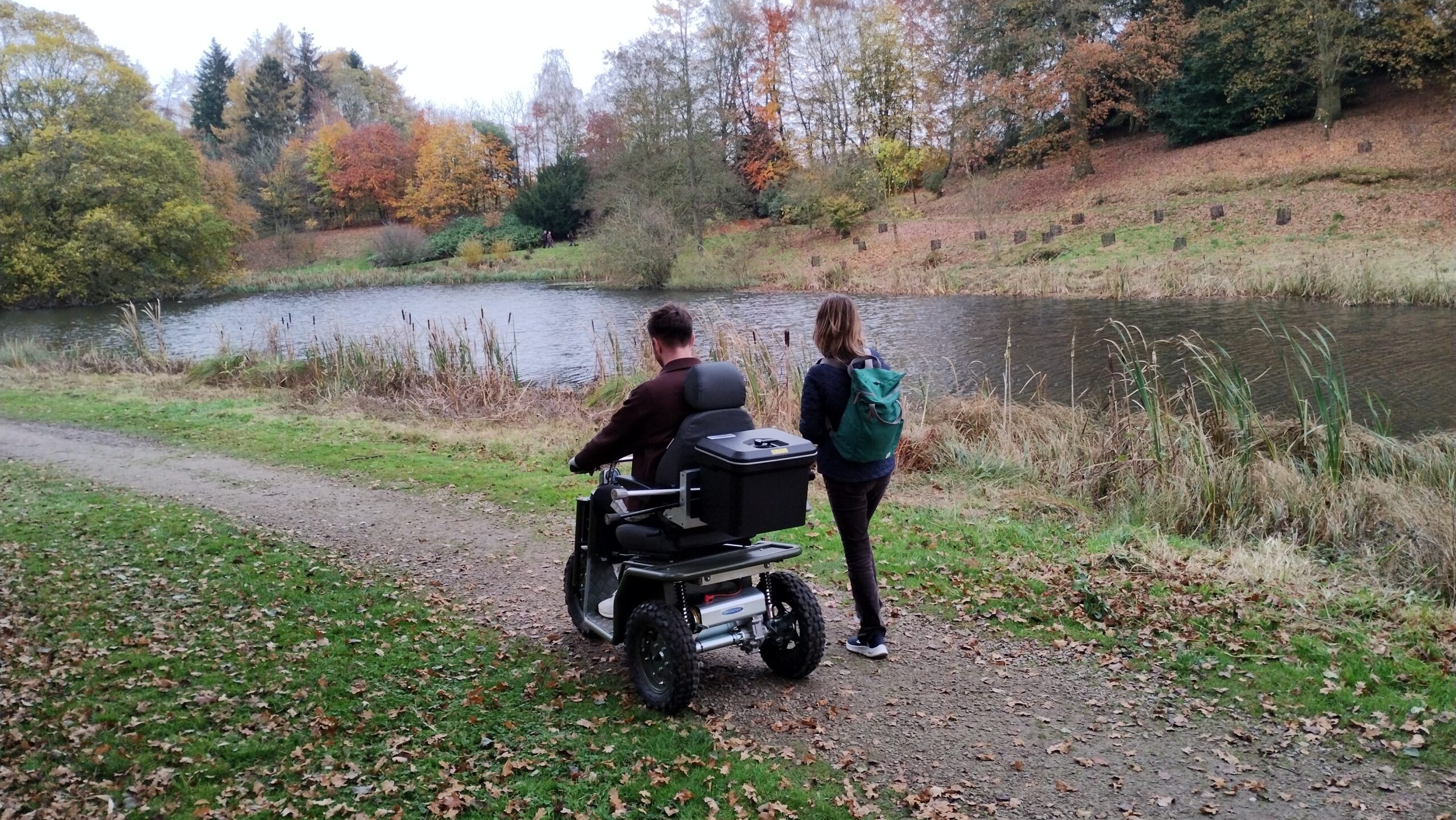
Days Out: Countryside
This resource is part of the ‘Days Out’ series and has useful information for people with spinal cord injury (SCI) or cauda equina syndrome (CES) about planning a day out in the countryside and visiting. Read More...