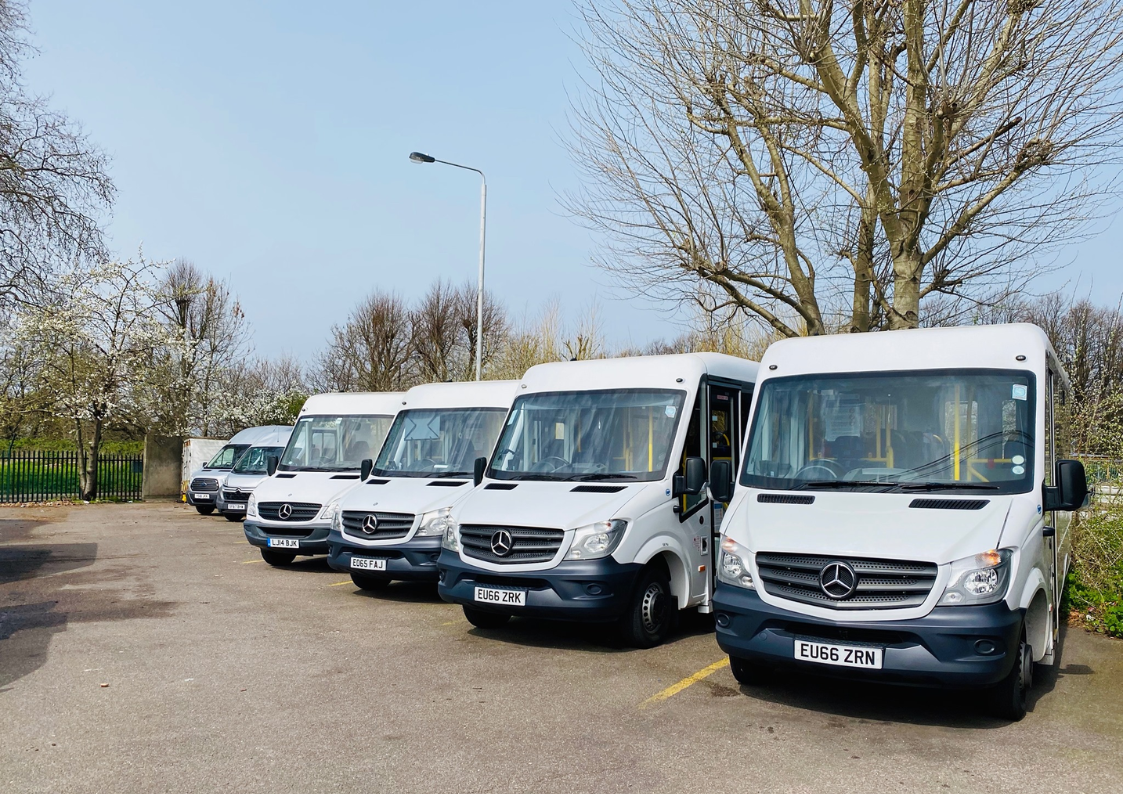
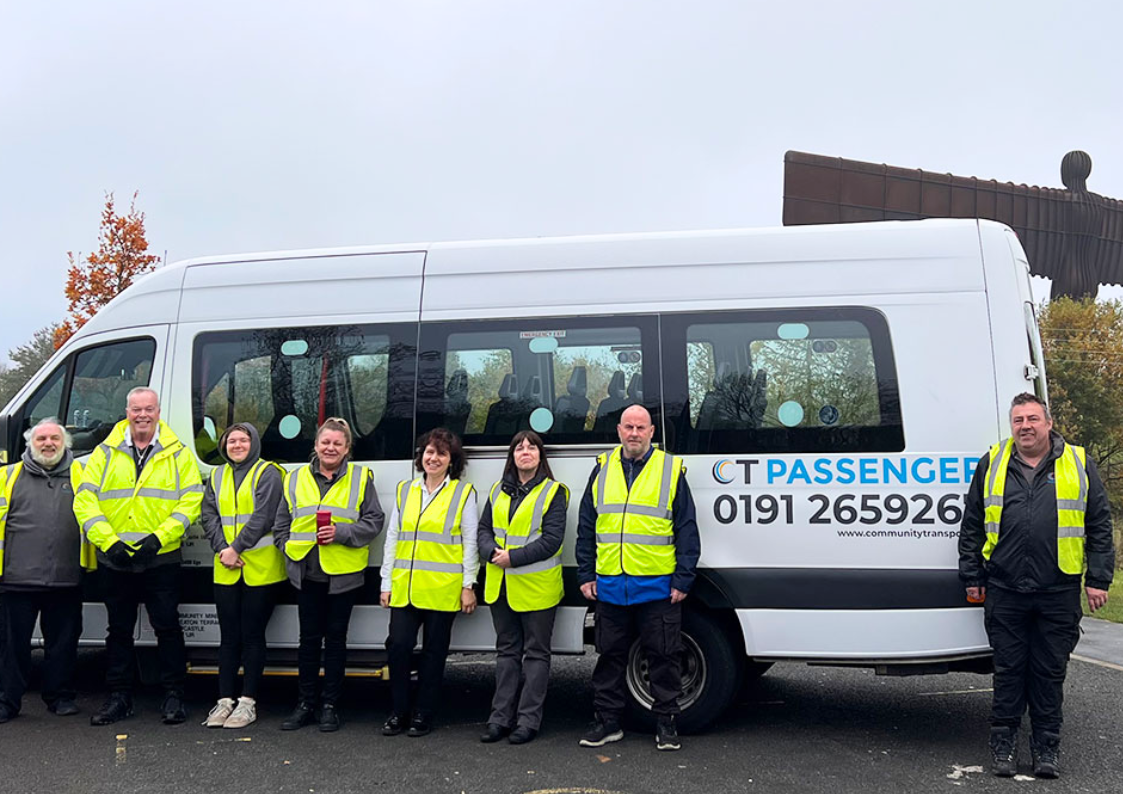
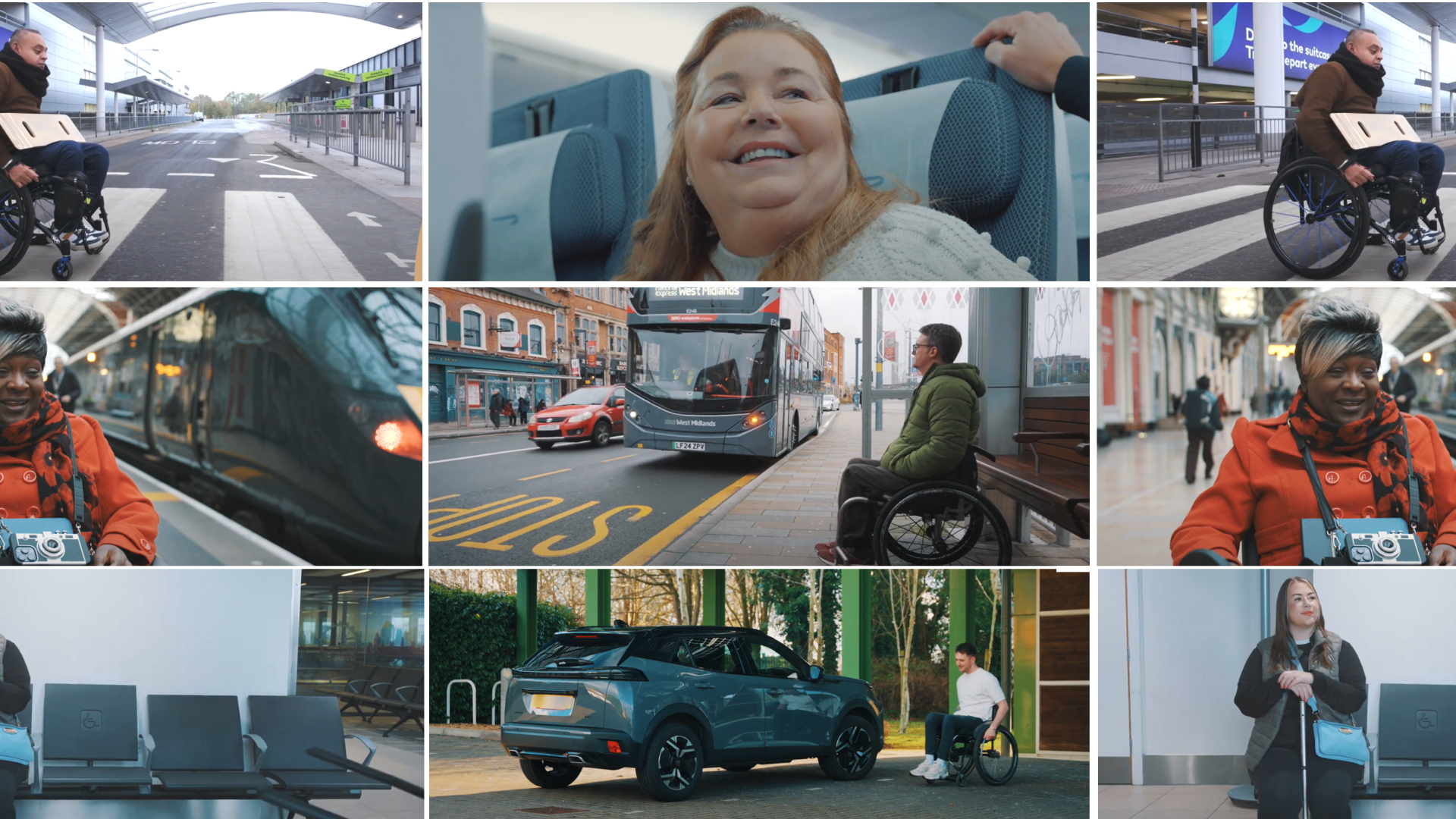
Community transport is a subsidised service often operated by charities, local councils or volunteer groups. It can provide safe, accessible, and affordable travel options for people with a disability, such as a spinal cord injury, who do not have access to their own transport.
This can be for essential trips, such as medical appointments or work, but also for social activities and community participation.
How to access community transport
You can usually find out the community transport options available in your local area through one of these routes:
- local council or authority transport web pages
- local disability organisations
- spinal injury charities or support networks
- GP surgeries, hospitals, or rehab centres
Once you’ve identified a service, check that you qualify. Eligibility criteria might include:
- medical diagnosis / mobility restrictions
- inability to use standard public transport
- residence within a certain area
If you meet the criteria, then it’s likely you’ll need to register for the service before you can book with them. The service might ask for information such as:
- basic personal information
- your mobility or equipment needs
- whether you use a manual or power wheelchair
- whether you’ll need a companion / carer to travel with you
Once you’ve registered, you’ll need to book your transport. Many services require bookings 24 to 72 hours in advance. It can be helpful to ask about return journeys and expected pick-up windows as this will help you to plan your journeys and any care needs around this.
Community transport is usually low-cost, subsidised, or donation based. Transport to and from medical appointments may be free, depending on eligibility. Some areas may offer travel passes or concessions. There can also be grants available for frequent travel.
Typical types of community transport
Thinking about your needs
It’s important that you think about your needs, both in terms of your comfort and your safety, when travelling by community transport. This will help make your journey as smooth and easy as possible. Be aware that community transport may be picking up other users during the journey, making travel time longer.
Here are some other things to consider before booking community transport:
- Does the vehicle you’ll be travelling in allow you to manage your comfort, skin care and posture?
- Think about your travel time; will you need to carry out pressure relief during your journey? How can you best manage your skin during your journey?
- Will you need any assistance to board or alight from the vehicle?
- Do you need any other equipment to help with your journey, such as cushions, straps, etc?
- Do you need a headrest for your journey? You might find you require one, even if you don’t need one day to day.
- Is there a suitable way to secure your wheelchair within the community transport vehicle?
- Do you know how your wheelchair can be secured in a vehicle and how to instruct others to assist you with this?