If your spinal cord injury makes walking difficult or impossible, you’re likely to need a wheelchair and a suitable cushion. The NHS can provide wheelchair equipment for anyone deemed eligible following assessment from a qualified therapist.
The process is similar across England, Wales and Northern Ireland, although the funding set up differs slightly across the three nations:
In England, the NHS wheelchair service (WCS) is a regionally controlled service. Each WCS is associated with a GP surgery or NHS Trust in your local area.
NHS WHEELCHAIR SERVICES (ENGLAND)
In Wales the posture and mobility service is a national service with a central referral system. See Wheelchair Service (Cardiff and Vale University Health Board)
WHEELCHAIR SERVICE (wales)
The same applies in Northern Ireland where, although the service is called the Regional Wheelchair Service it’s also a national service with a central referral system.
WHEELCHAIR SERVICE (Northern ireland)
This information sheet doesn’t cover NHS wheelchair services in Scotland. If you live in Scotland, you can find out more www.retis.scot.nhs.uk/wheelchair
WHEELCHAIR SERVICE (scotland)

Getting a wheelchair (information sheet)
Accessing NHS wheelchair services
When you first access NHS wheelchair services, you’ll need a referral from a healthcare professional (HCP), such as your GP, hospital consultant or therapist. To arrange this, talk with your HCP about your mobility concerns and request a referral. Indeed, your HCP may have already suggested it. If you live in England, it’s your GP’s address that will dictate which wheelchair service you’re referred to. Any HCP involved in your care can tell you your local wheelchair service, and access and complete the referral form.
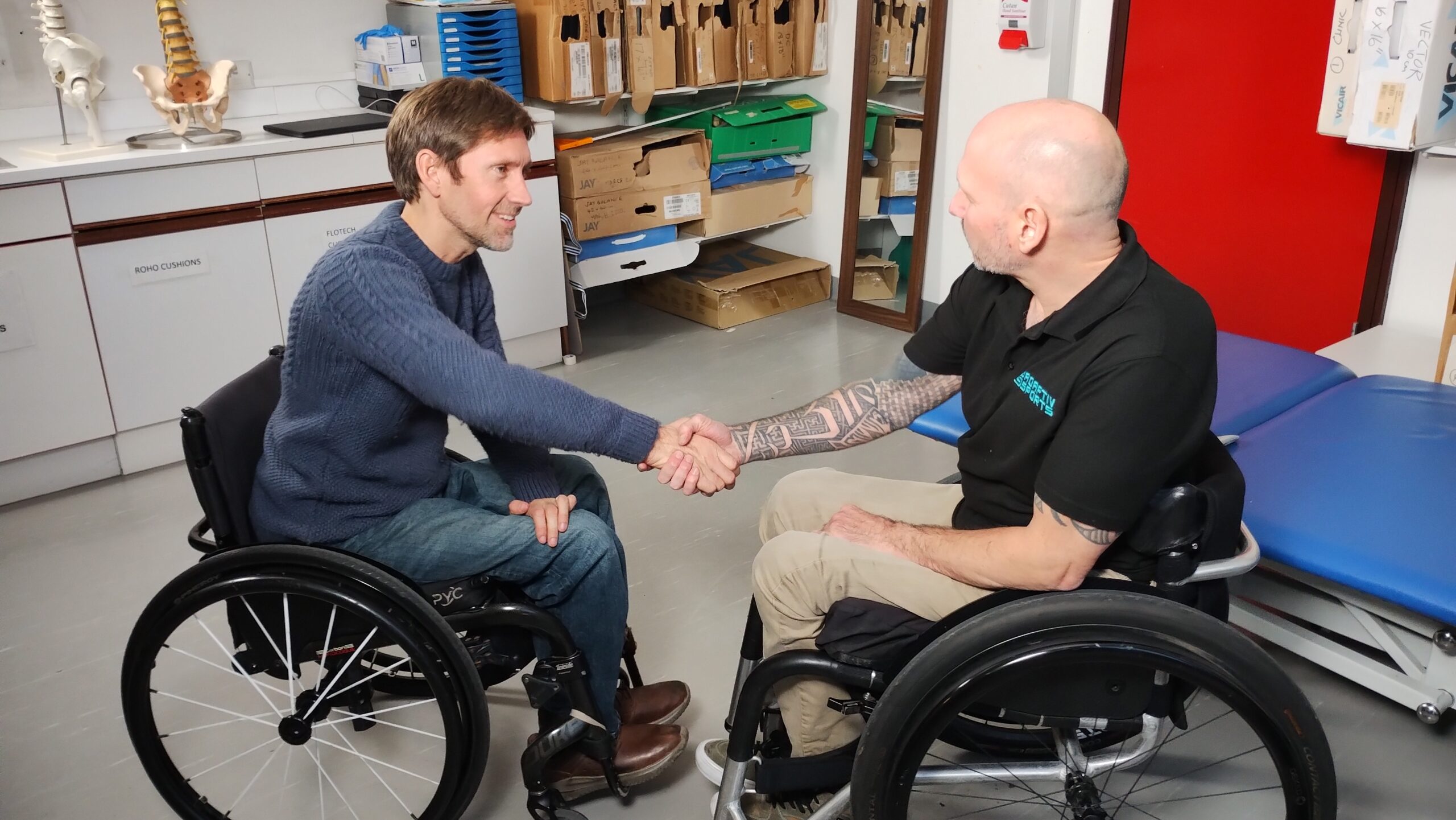
Once your referral is received by the wheelchair service, they will look at the information alongside the WCS eligibility criteria. If you meet the criteria at this stage, they will then invite you for an assessment appointment. This is an important step where a wheelchair therapist works with you to thoroughly consider your needs and decide what equipment best suits you.
To get the most from this assessment, and the equipment that’s right for your needs, it’s important to be very open and realistic about your lifestyle and your wishes. We recommend you bring questions with you. Take a look at some resources to help you prepare for the assessment.
WHEELCHAIR ASSESSMENT
Your wheelchair services therapist will discuss with you:
- your health, strength, posture, and daily needs
- where you’ll use the wheelchair (home, work, outdoors, transport)
- seating and cushions for comfort and pressure relief
During the assessment, you may be measured and asked to try out different wheelchairs and cushions.
Once registered with your local wheelchair service, you remain under the service for life – so you can ask for advice or reassessment if your needs change. Even if you choose to buy a wheelchair privately, you’ll still be able to benefit from your WCS’ advice and reassessment if your needs change; for example, as you get older.
Eligibility
Every wheelchair service has ‘eligibility criteria’ to try and provide an equitable service for everyone. You can read more about eligibility criteria below, or visit your local WCS website for details. People with complete or partial paralysis usually meet eligibility requirements. Even if you can walk short distances, you may qualify if walking is unsafe, exhausting, or risks your health.
These are the general rules for eligibility. You may qualify for an NHS wheelchair if you:
- have a permanent disability (including spinal cord injury) that makes walking difficult or unsafe
- have a mobility need expected to last at least 6 months
- need a wheelchair for daily use inside your home, not just outdoors
- are registered with a local GP
- can use the wheelchair safely, either independently or with support from a carer
Who may not be eligible? … people who:
- only need a wheelchair temporarily / short-term (e.g. after surgery)
- manage indoors without one, but want one for occasional outdoor use
- want sport or leisure wheelchairs (these must be bought privately)
If you aren’t eligible, NHS wheelchair services can still give you advice and point you to reputable suppliers. You can also appeal a decision or ask for a review. Support is available from the Wheelchair Alliance
Types of wheelchair
Walking aids, mobility scooters and sports wheelchairs are generally not provided by NHS wheelchair services. Instead, they supply people who meet the eligibility criteria with either:
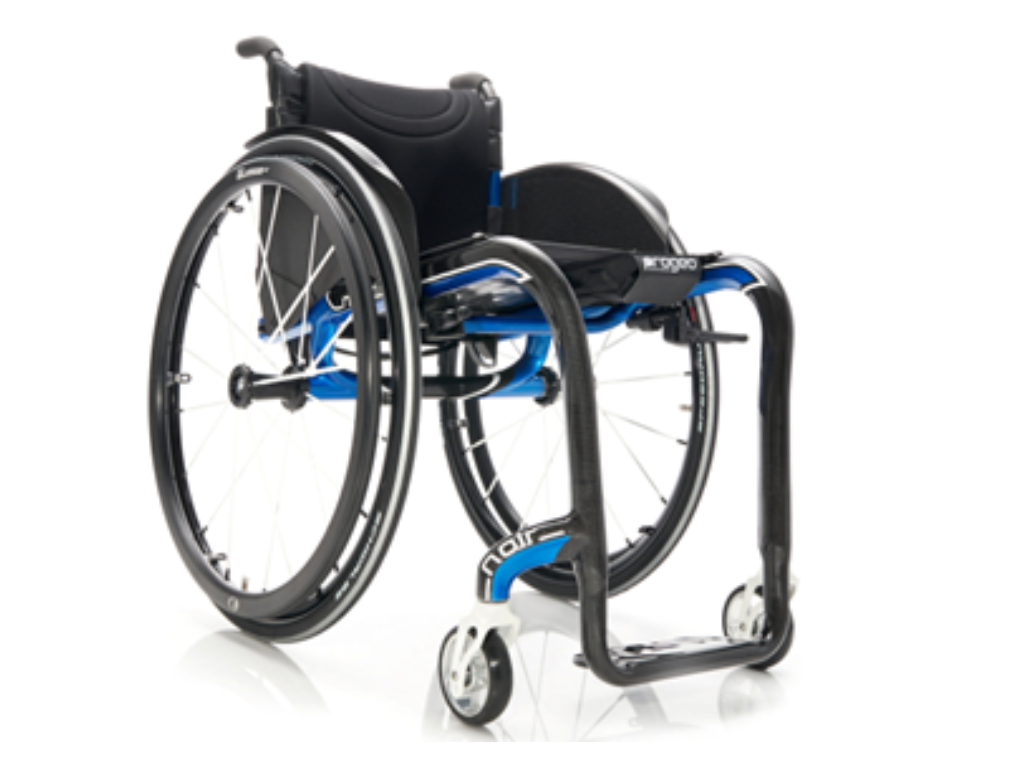
- a manual wheelchair – self-propelled or attendant-propelled, or
- a powered wheelchair – for people unable to self-propel
During your WCS assessment, your NHS therapist will identify the type of wheelchair that best suits your needs. You can find out more about each type via the relevant link below. In addition, having the right seating and cushion – and reviewing this regularly – is crucial to support your posture and prevent pressure sores. Download SIA information sheets about manual and powered wheelchairs, and seating and cushions:
INFORMATION SHEETS
Funding options
When you’re assessed for a wheelchair, it’s a bit like getting a prescription from the doctor. Provided you meet the eligibility criteria, your WCS therapist will identify the type of wheelchair and cushion that will best meet your needs and essentially write you a ‘prescription’ to suit.
The therapist will then talk to you about your personal wheelchair budget (PWB) and the options available to you. You’ll hear the terms notional, partnership and third party. Here’s a brief explanation of what each option means:
Notional:
You can choose to go with the standard NHS provision (your wheelchair, but owned and maintained by the NHS).
Partnership:
Or you might choose to upgrade aspects of your wheelchair, e.g. different wheels. If you go down this route, then you’ll need to foot the bill for any extras, although you might find that charities will fund the additional costs. However, don’t forget that any extras may not be covered by the NHS maintenance and repair service.
Third party:
Alternatively, you could choose to have the value of your prescription (or personal wheelchair budget) passed directly to a reputable, private wheelchair supplier, then top it up for a more bespoke wheelchair. Remember, if you go down this route, you’re solely responsible for all maintenance, repairs, insurance, etc.
Find out more by searching ‘NHS England personal wheelchair budgets’
Private purchase
Many people who want a second wheelchair or a sports wheelchair purchase privately. We recommend you still have an NHS assessment first to determine the right fit for you. Always use reputable suppliers: look out for British Healthcare Trades Association (BHTA) accreditation. And don’t forget that you’ll need to pay for all associated costs, such as servicing, repairs and insurance. If you opt to buy privately, you might want to consider purchasing a maintenance and service plan.
Your SIA support network coordinator will be happy to answer any questions you may have about privately purchasing a wheelchair plus any accompanying service plans and insurance. Find your nearest SIA support network coordinator.
Maintenance and repair
Remember, if you have a wheelchair provided by the NHS, or you opt for the partnership approach using your PWB, you’re likely to have maintenance and service included as part of the NHS provision. We always advise you discuss this with your WCS therapist though, so that you’re completely clear about who is responsible for your wheelchair’s upkeep.
See our information sheet about wheelchair maintenance and repairs.
Insurance
For all wheelchairs, whether provided by the NHS or privately purchased, do consider taking out insurance to protect against loss, damage or theft. You can also discuss insurance with your WCS therapist for clarification on insurance protection for your NHS wheelchair.
Other support - Access to work
You may qualify for support from this government scheme to help you in the workplace; for example, funding equipment to help you do your job. This can include the right wheelchair. It’s important to note that Access to Work grants do not cover the reasonable adjustments that employers are legally required to make. Find out more at gov.uk/access-to-work
access to work
Charity sector
Charitable organisations such as Aspire and Regain can help with funding for wheelchairs, mobility and walking aids. Ask your SIA support network coordinator for advice or visit the charities’ websites to find out more:
YOUR LOCAL SIA TEAM
Motability
If you’re eligible for the Motability scheme, and you receive the higher rate of the mobility component in DLA or PIP, then you can also use this funding towards a powered wheelchair or a mobility scooter; it’s not just for cars. See the Motability website for full details.
MOTABILITY
Wheelchair Alliance
Find out more about wheelchair provision and your rights
WHEELCHAIR ALLIANCE
Information sheets
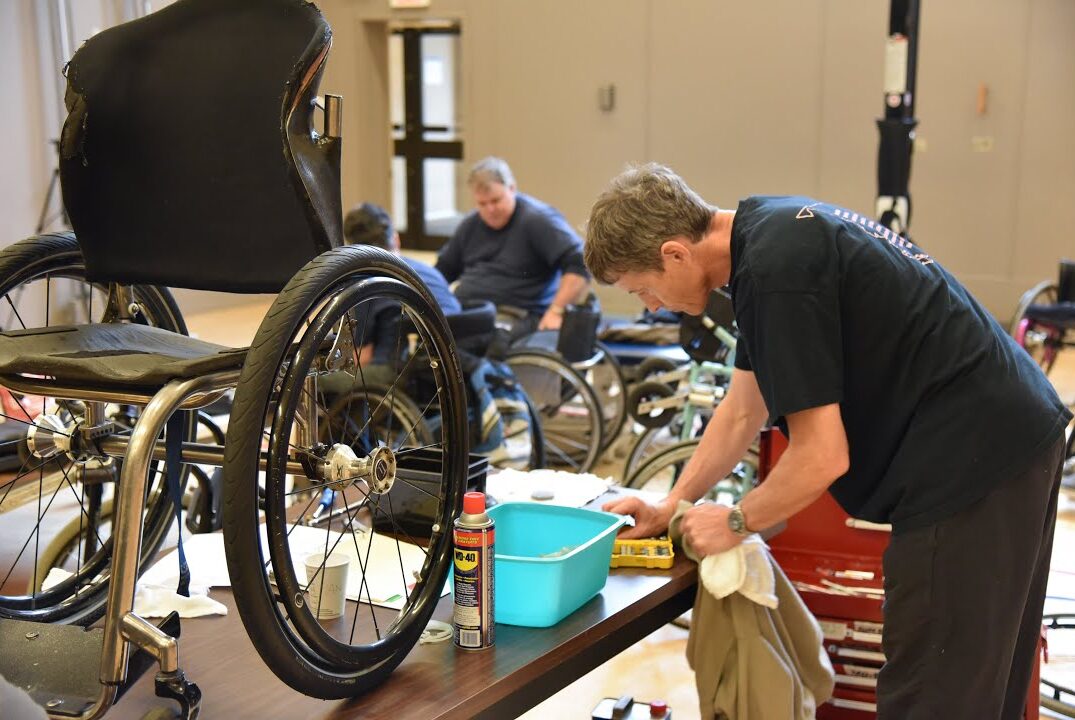
Wheelchair and cushion maintenance
Taking care of your wheelchair and cushion is very important to make it last longer, be as comfortable as possible, and allow you to do what you want to do. Read More...

Information sheets
Wheelchair Cushion
It is important to make sure you have the right cushion to go with your wheelchair. This information explains why you need a cushion, the different types, how they can help you, how to look. Read More...
Information sheets
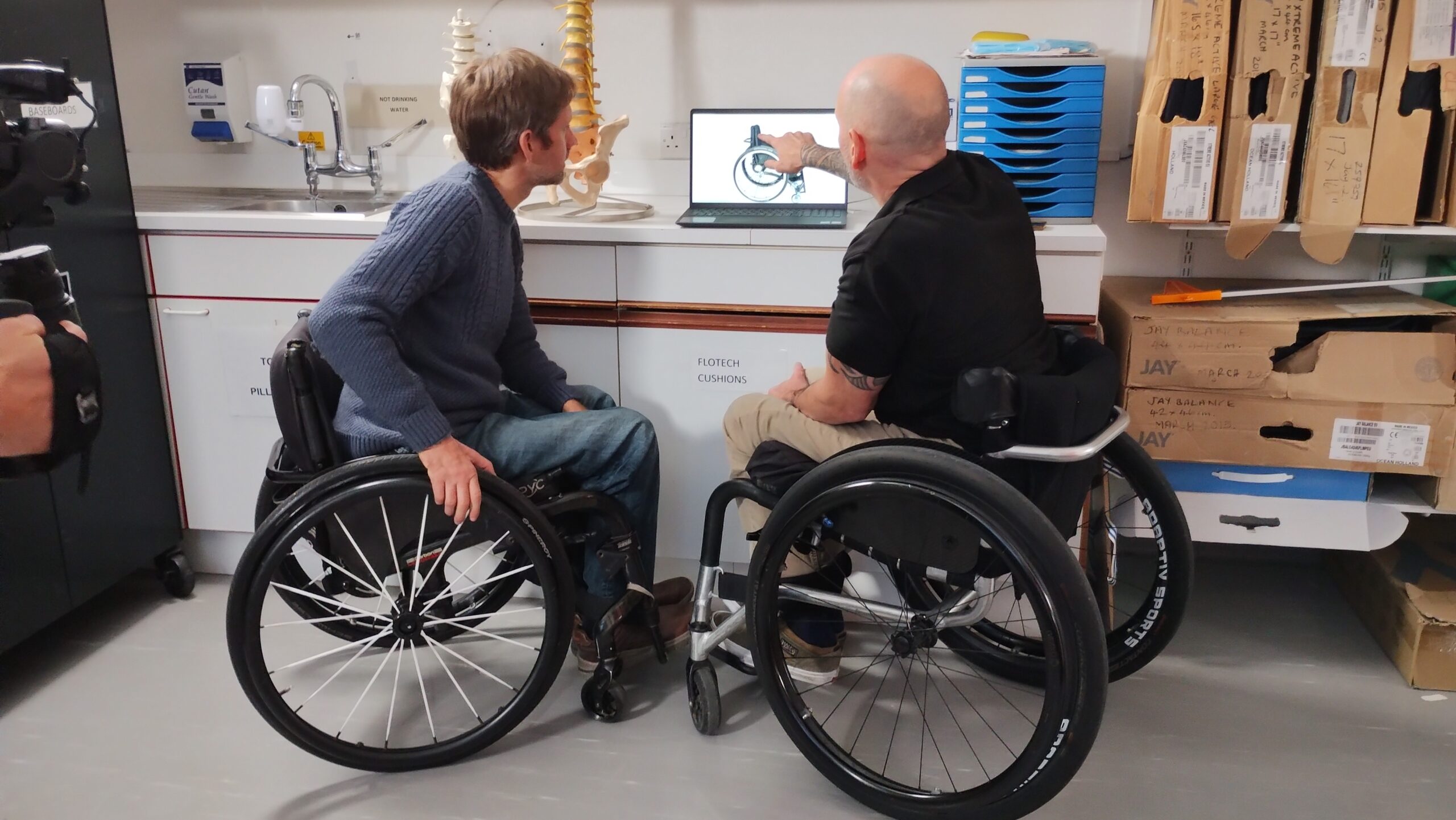
Wheelchair Assessment
A wheelchair assessment is an appointment with a qualified healthcare professional to see what equipment (wheelchair and cushion) is best for you to allow you to be as independent as possible. Read More...