

Getting back to driving after spinal cord injury as a manual wheelchair user
Driving Assessments
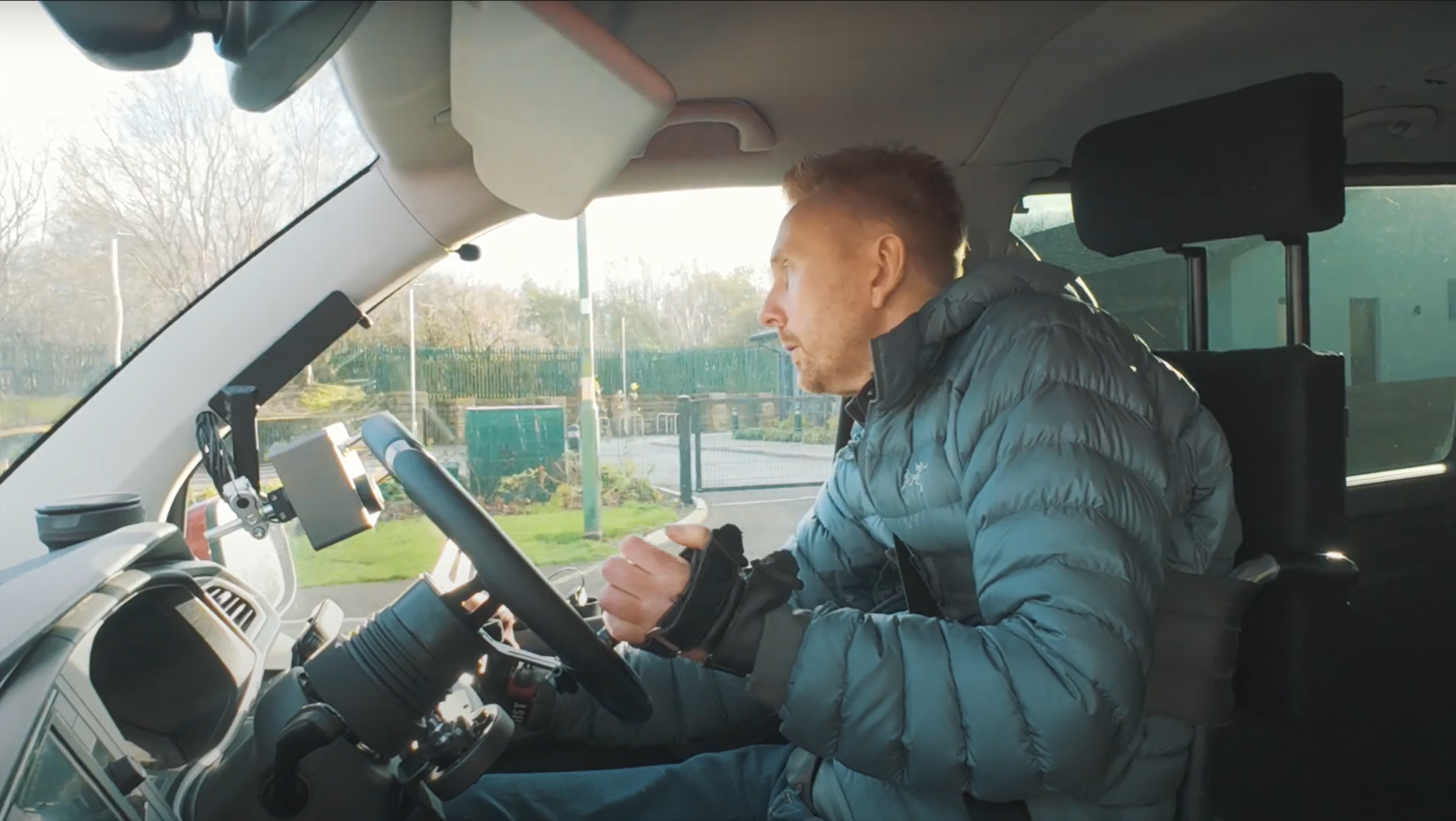
> You should have a driving assessment before returning to driving. A driving assessment is not a driving test. It will look at your needs and see how you can drive safely and what adaptations may be necessary to help you do this.
> Adaptations mean things like different controls for steering, braking and controlling the different parts of a car.
> During the assessment you will be able to see and try out adaptations and talk about different equipment that might help.
Here are some links to help you find a driving assessment near you:


You can be referred by a healthcare professional for a driving assessment or self refer. You may need to pay for this assessment.
After the driving assessment you will be given a detailed report which will have some recommendations for the support and adaptations you need to drive. At the assessment you can also think about how you will get your wheelchair into and out of your car. With practice, most people can transfer into and out of a standard car on their own.
If you use a manual wheelchair most of the time you will often need adaptations to your car. You will need to have a driving assessment to work out what you need. During the assessment you can also think about how you will get your wheelchair into and out of your car. With practice, most people can transfer into and out of a standard car on their own.
Learning to Drive
If you did not drive before you had your injury then you can still learn to drive after it. Find a suitable driving instructor who has the car adaptations you need.
FIND A DISABILITY DRIVING INSTRUCTOR
If you already have a car/wheelchair accessible vehicle (WAV) through the Motability scheme then you can learn to drive in this car with certain conditions. You might be able to get help to pay for up to 40 hours of driving lessons through the Motability Foundation.
Learn to drive and financial support (motability)
If you had a spinal cord injury (SCI) or cauda equina syndrome (CES) as a child you may be able to learn to drive from the age of 16 rather than 17.
LEARN TO DRIVE A CAR: STEP BY STEP
You can apply for your provisional licence three months before you’re allowed to drive (16 or 17).
If you are able to stand and step you may still be able to get into and out of car but might now need to think about seat height/position to make this easier.
Getting into and out of your vehicle and transferring
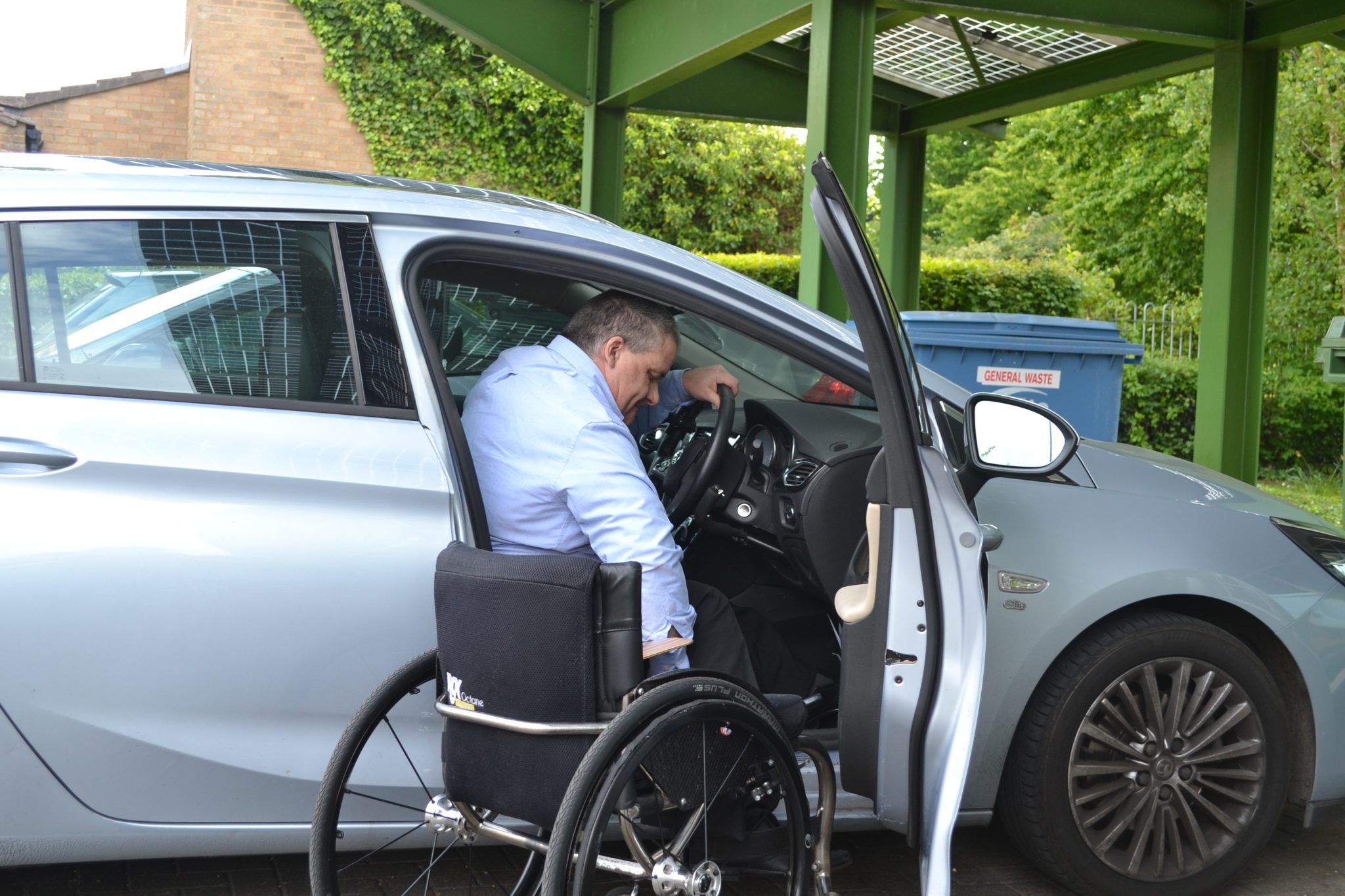
You can learn to transfer into and out of your vehicle on both the driver and passenger side. To make the transfer as easy as possible it is a good idea to make sure the car seat you are transferring to is lower or at the same level as your wheelchair. Being able to change the position of your car seat automatically can help with this (some cars have ‘seat position’ settings so you could set one as your best driving position and one as your best transferring position.
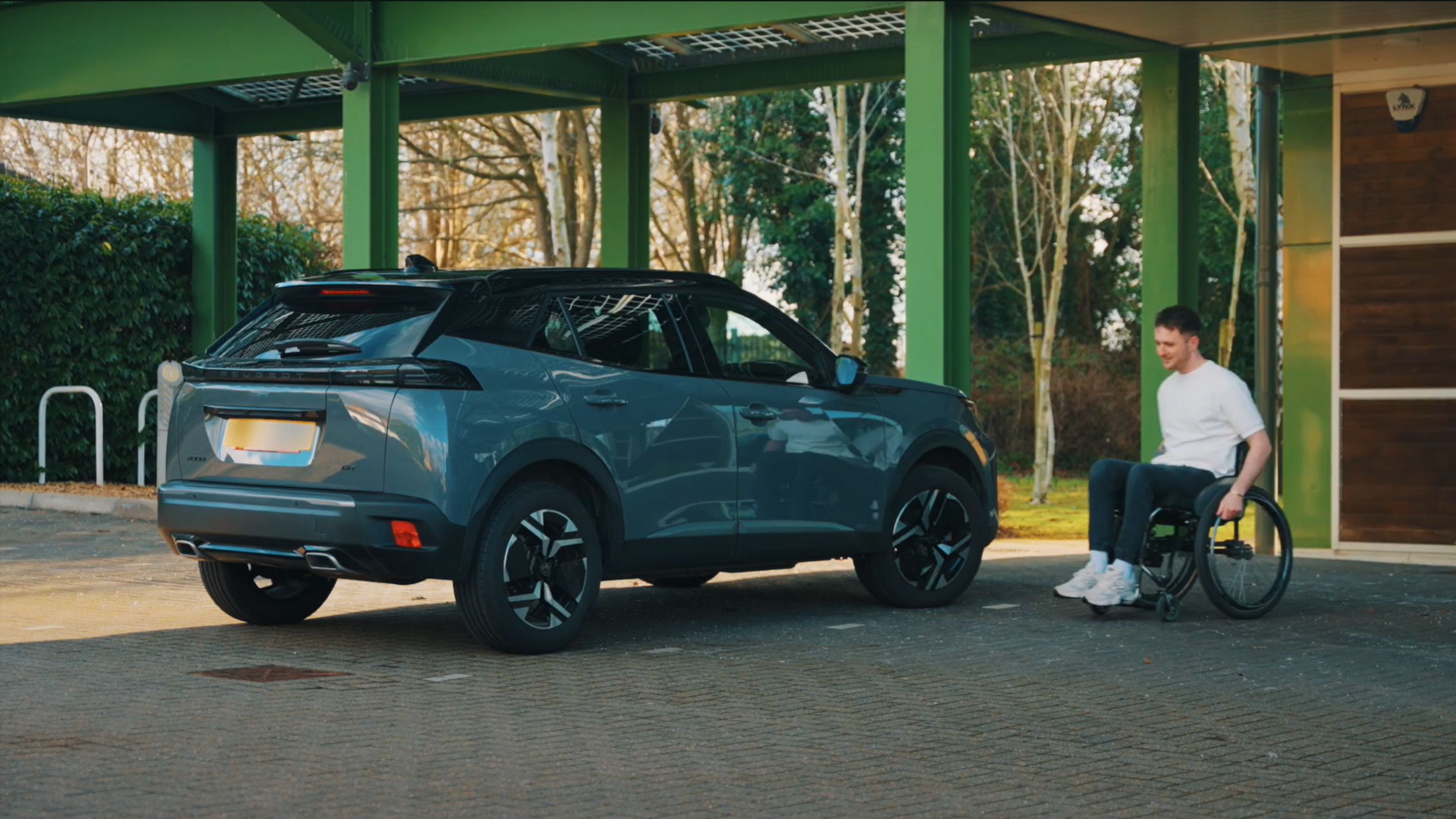
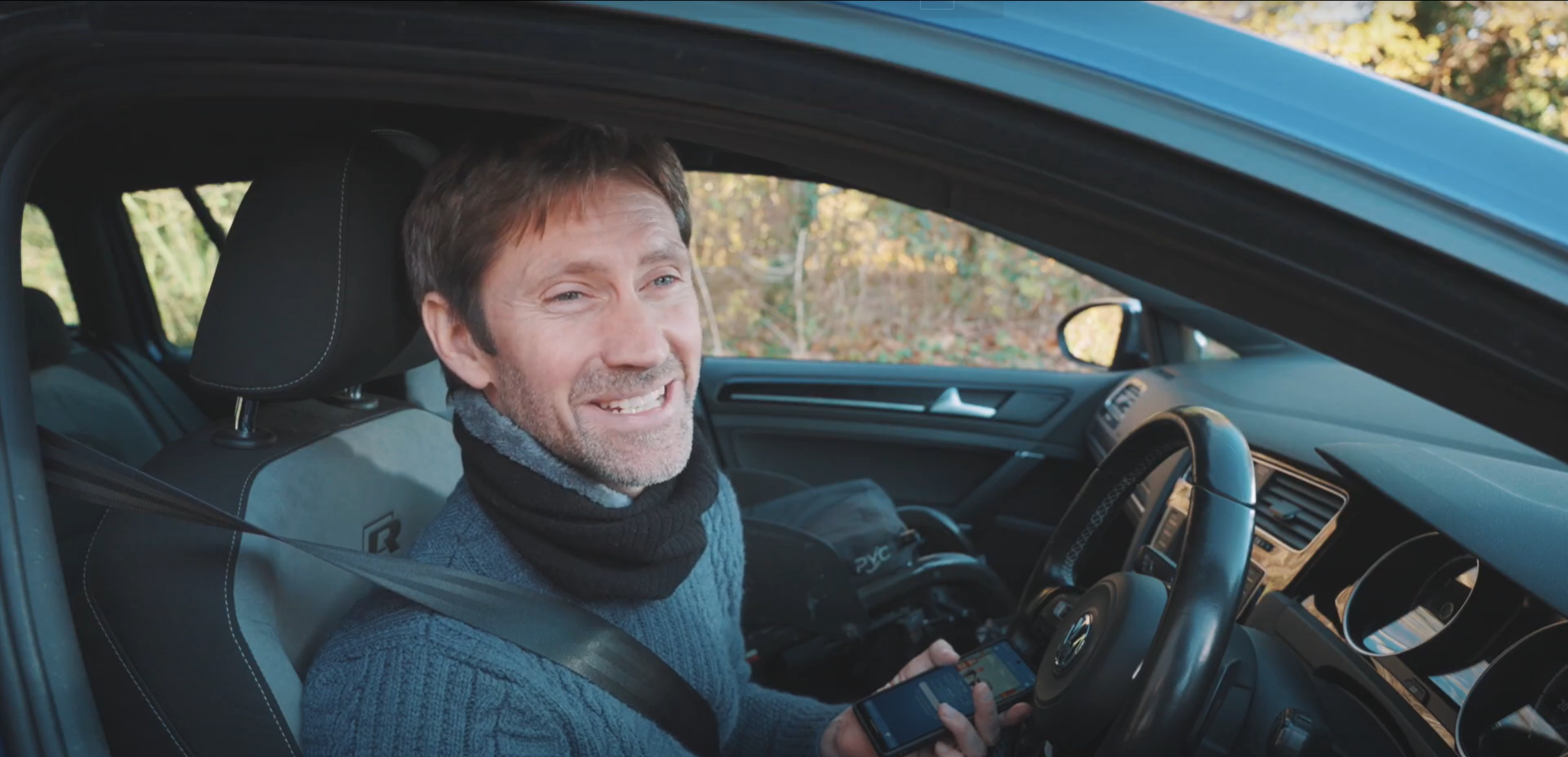
Below are two videos demonstrating ways of transferring into a car:
There is equipment to make it easier to get into and out of your vehicle such as transfer plates, swivel seats and hoists. For more information see:
ADAPTIONS TO HELP YOU GET IN AND OUT (MOTABILITY)
If you considering a WAV then think about how you may get into the vehicle (side entrance, back tail lift or ramp) and whether you plan to remain in your wheelchair when travelling or would like to transfer out onto a seat.
Storing your wheelchair
Once you have got into your vehicle you will need to think about how you store your wheelchair or other mobility aids. Some people can learn to lift their own wheelchair into and out of the car. This means they can travel independently.
If you are not able to do this and are not planning to travel in your wheelchair there are options for equipment to help you with this. Examples of this equipment could be roof top box or a car boot hoist. The Motability website has information and useful videos to demonstrate these:
ADAPTIONS TO HELP YOU STORE EQUIPMENT (MOTABILITY)
- There is a risk of damaging shoulder joints from picking up a wheelchair on a daily basis. Using this equipment can reduce this risk.
- Many people who use a manual wheelchair can learn to lift their wheelchair into and out of their car on their own. Do you need help or equipment to do this?
- Remember, not all makes and models of vehicles can be fitted with all adaptations/equipment so you will need to check this.