Powered Wheelchair
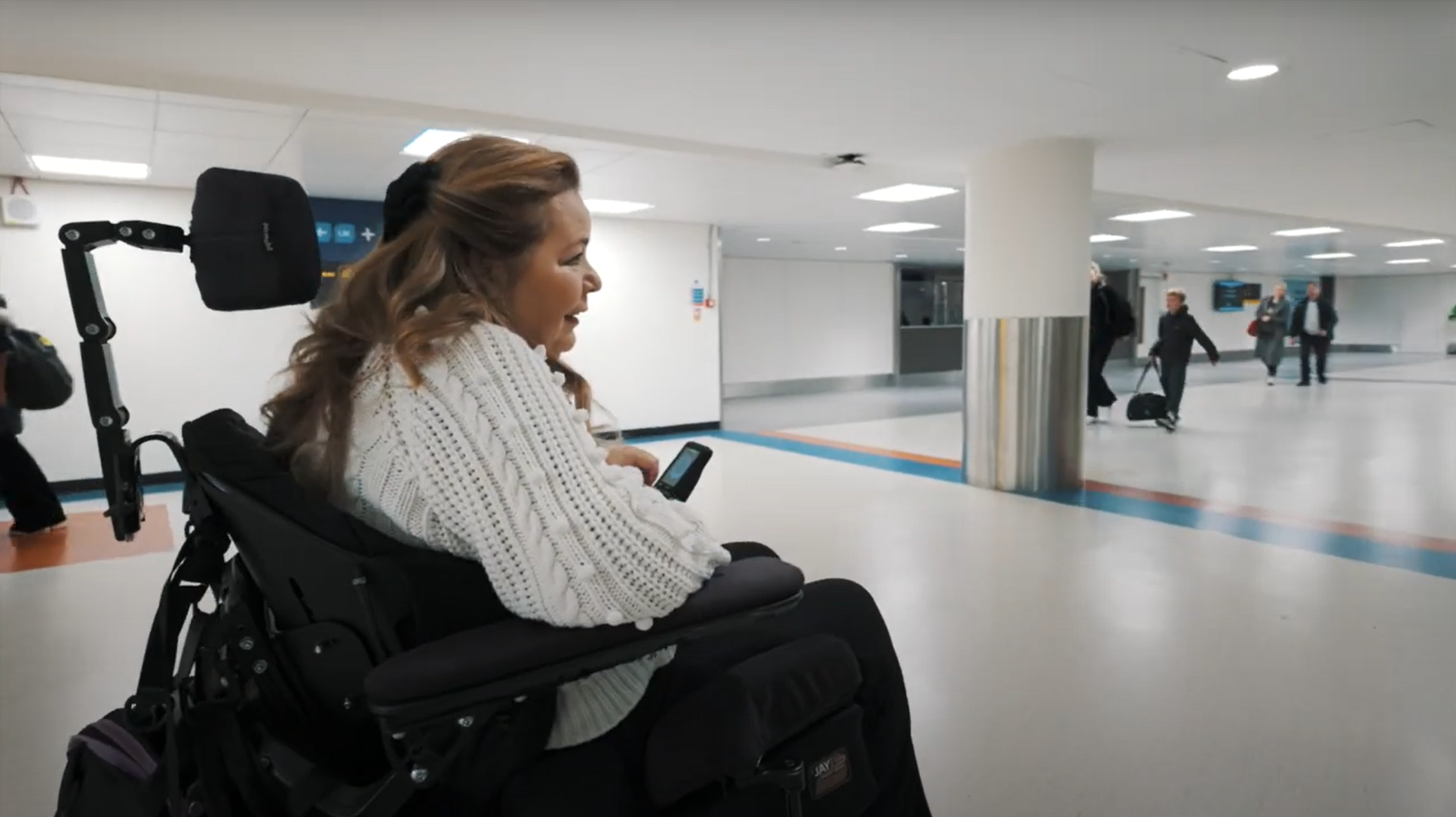
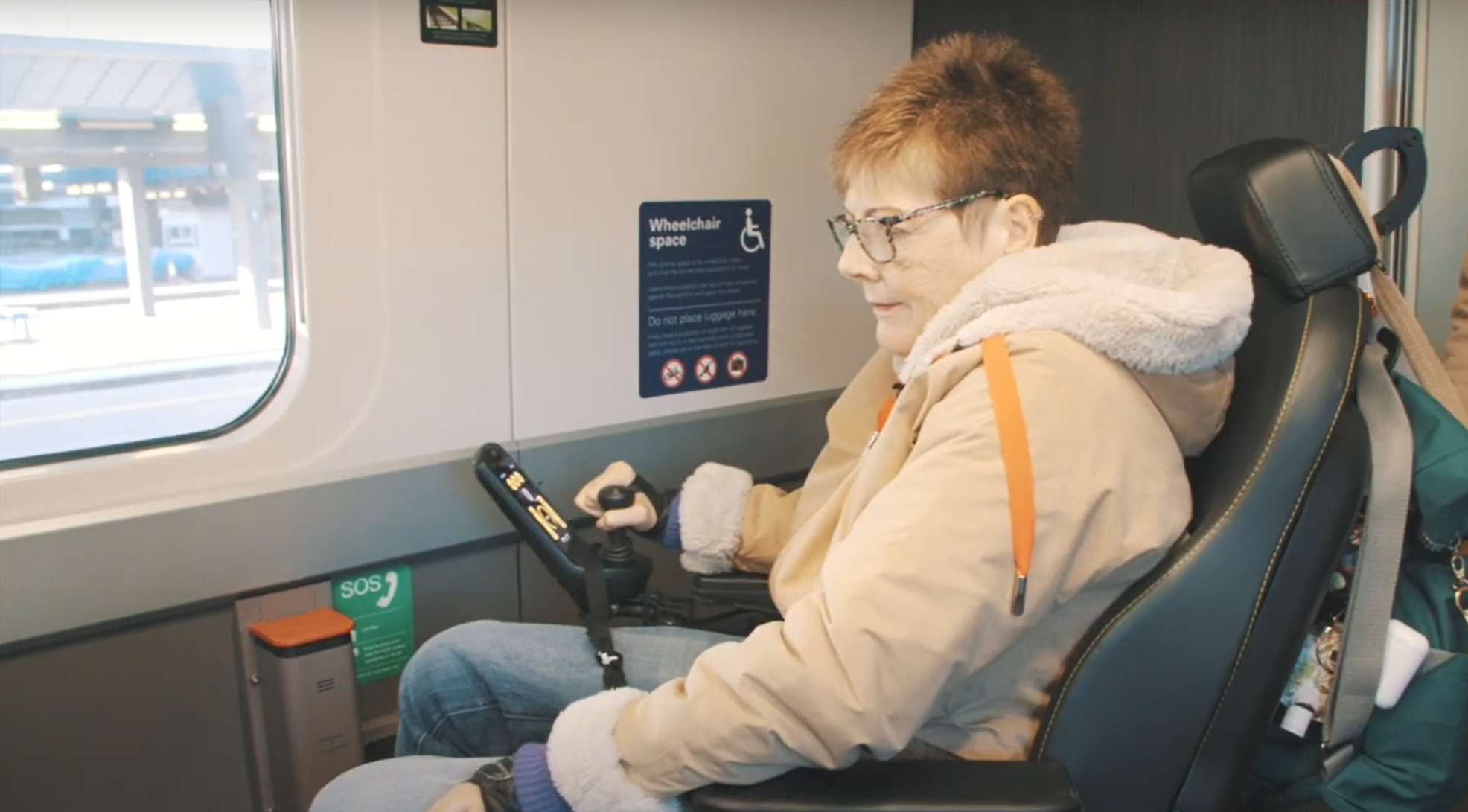
A powered wheelchair is a wheeled mobility aid that has an electric motor. They are usually controlled or driven by a single joystick on an arm rest, or other controls (like a chin control or head switch).
The motors are powered by rechargeable batteries and often have features like recline or tilt and support for the position your body is in. This can help improve your comfort and mobility.
There are many types of powered wheelchair available, to suit a wide range of people. Because the type of spinal cord injury a person has can affect their mobility in different ways and their needs may change over time, people with any level of spinal cord injury may need the use of a powered wheelchair. They can give you more independence if you have difficulty in using a manual wheelchair.
Parts of a powered wheelchair infographic
Types of powered wheelchair
Powered wheelchairs come in different shapes and sizes. They can be designed for either indoors or outdoors use, but more commonly are designed for both. There are also highly specialist wheelchairs that can go to a full stand position or lay flat, as well as all terrain, 4 wheel drive type powered wheelchairs. The type of wheelchair that will suit you and your activities should be assessed and discussed with your healthcare professional or wheelchair supplier.
Models of powered wheelchair
Like a car, powered wheelchairs have different model types to suit their designed activity best. This is most likely to be related to the type of wheel setup that the wheelchair has, as well as the battery power. Powered wheelchairs have ‘drive’ wheels, powered by the motor and also free wheeling smaller castor wheels that provide stability and steering direction. The position and configuration of the wheels is what is different in each model and the purpose it is designed for.
There are three main ‘drive’ wheel set ups in the general day to day powered wheelchairs: Rear wheel drive (RWD); Mid wheel drive (MWD) and Front wheel drive (FWD). Although each can still be used both indoors and outdoors, their set up makes them perform differently and is better suited for different uses.
MODELS OF POWERED WHEELCHAIR


Download the information sheet
For more detail about seating support systems, seat positions, head/back/arm rests, seat/cushion, footplates, joysticks, accessories and lots of useful links.
Driving a powered wheelchair
If you have a powered wheelchair from the wheelchair service, your assessment and wheelchair handover will also include a driving assessment. This is to ensure your safety in driving and operating it.
It is possible the powered wheelchair handover and driving assessment do not happen at the same appointment. If so, you may be asked to restrict your wheelchair usage to indoors only while you wait for your full wheelchair driving assessment.
If you buy your wheelchair from other sources it is a good idea to ask for advice about driving a powered wheelchair and to be sure that your sight, mental skills and being able to know how close or how far away things are (spatial awareness) is good enough for you to be able to drive.

Class of powered wheelchair
The government has classified wheelchairs into mobility equipment categories, these are called ‘Class’ . The class of a wheelchair matters because it limits where and how you are allowed to use it with public safety in mind. 4 miles per hour is the maximum speed limit for a powerchair on the pavement.
- Class 1: wheelchair, manual, no motor, use anywhere.
- Class 2: wheelchair with motor, speed max 4mph, pavements and limited road, do not need to be registered.
- Class 3: wheelchair with motor, speed max 8mph, pavements and roads, registered with DVLA, lights, horn and indicators, need to be registered with DVLA/DVA.
See: Rules for users of powered wheelchairs for more information.
It’s advised that you get insurance for your powered wheelchair (though the law does not say that you have to).
Batteries
Read the manufacturer’s instructions for important information on battery use including charging, looking after your battery, and travelling with your battery powered device.
In the UK, most powered wheelchair batteries are made from one of the following types of rechargeable battery:
- Dry or gel cell/sealed lead acid (known as ‘SLA’): These are widely used, cheaper, heavier, chemically stable when unplugged and so safe to be put in the aircraft hold.
- Lithium-ion/Li-ion: these are usually used in portable ‘add-on’ equipment. They are lighter, have more power (for more speed and longer distances), and riskier for storage due to heat build-up.
For more information on lithium-ion battery and safety guidance see Lithium battery safety guidance – British Healthcare Trades Association.
How do I get a powered wheelchair?
You can get a powered wheelchair from:
If you already have a manual wheelchair but you think you might need a powered wheelchair:
- You may be looking for a powered wheelchair because your mobility needs or comfort in your current wheelchair has changed. Examples of this may include increased fatigue (feeling tired or lacking in energy a lot of or all of the time), joint or upper limb pain or ageing related changes.
- Contact your wheelchair service and explain clearly how your mobility is impacted.
- You are entitled to a review of your manual wheelchair with your wheelchair service.
For more information about getting a powered wheelchair please download our information sheet:
Videos
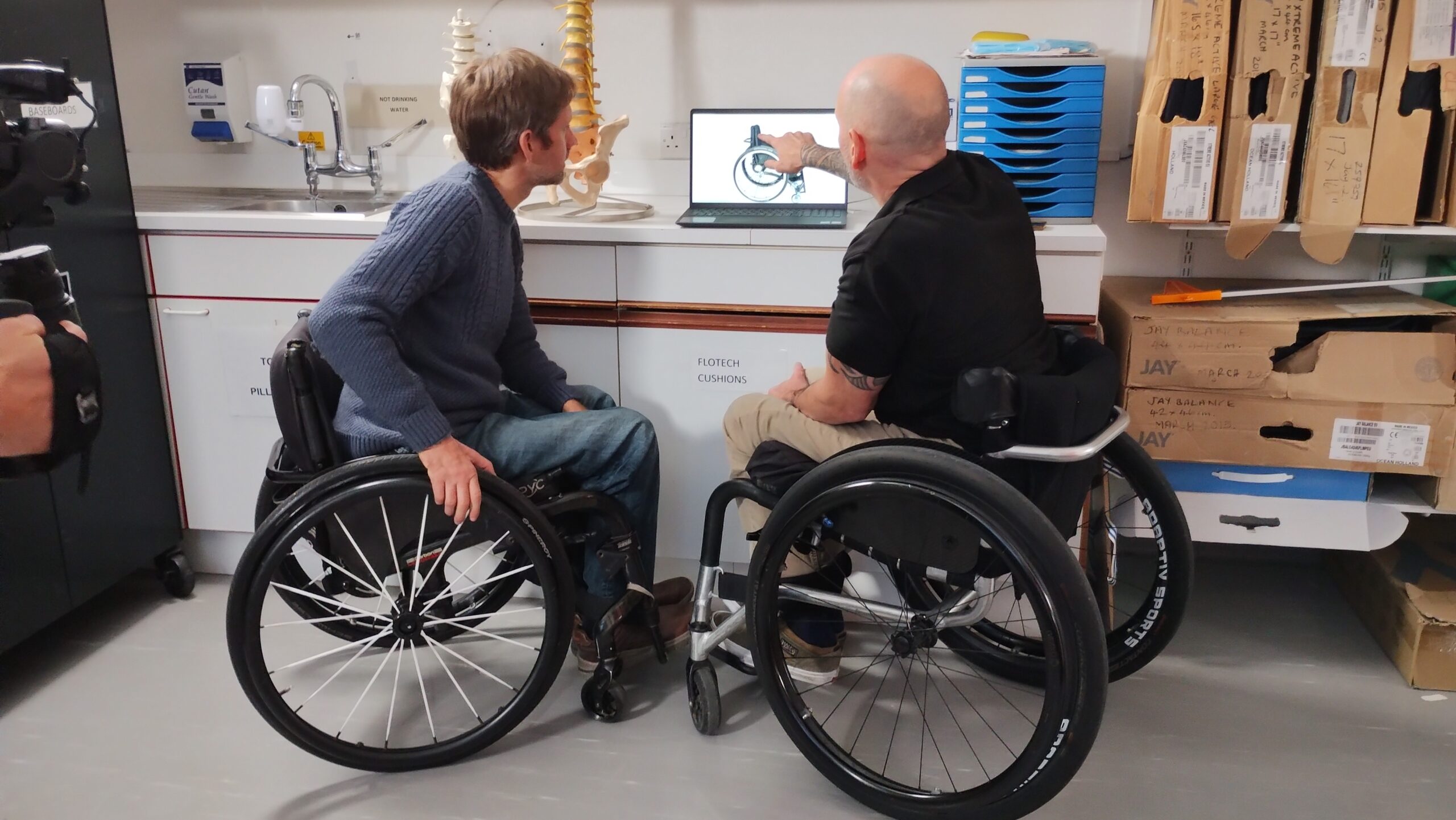
Wheelchair assessment
In this video we join our SIA member John at his wheelchair assessment. Read More...
Information sheets
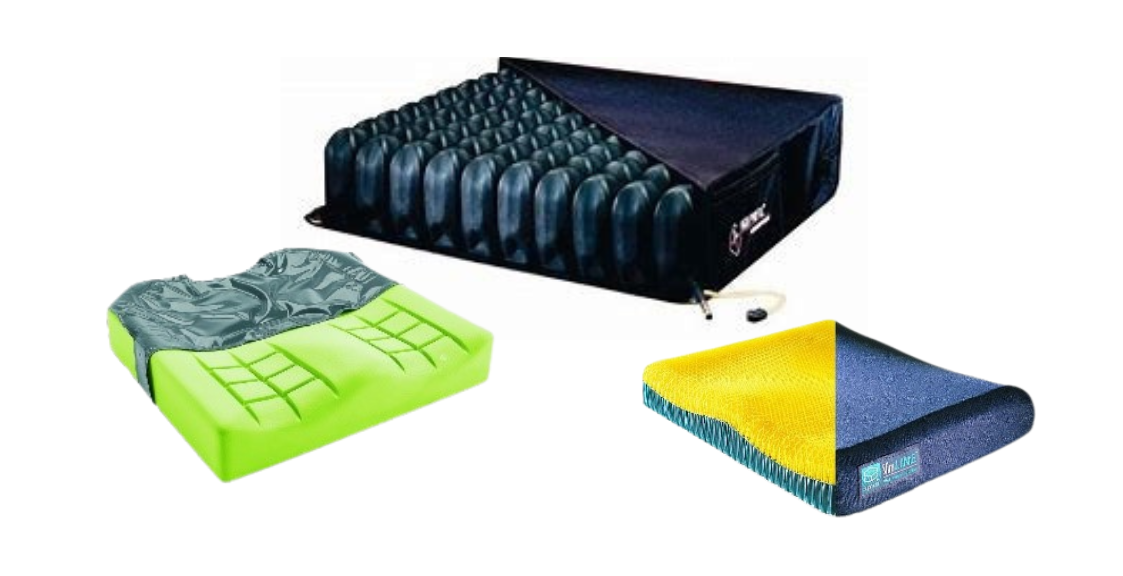
Wheelchair Cushion
It is important to make sure you have the right cushion to go with your wheelchair. This information explains why you need a cushion, the different types, how they can help you, how to look. Read More...
Information sheets
Wheelchair and cushion maintenance
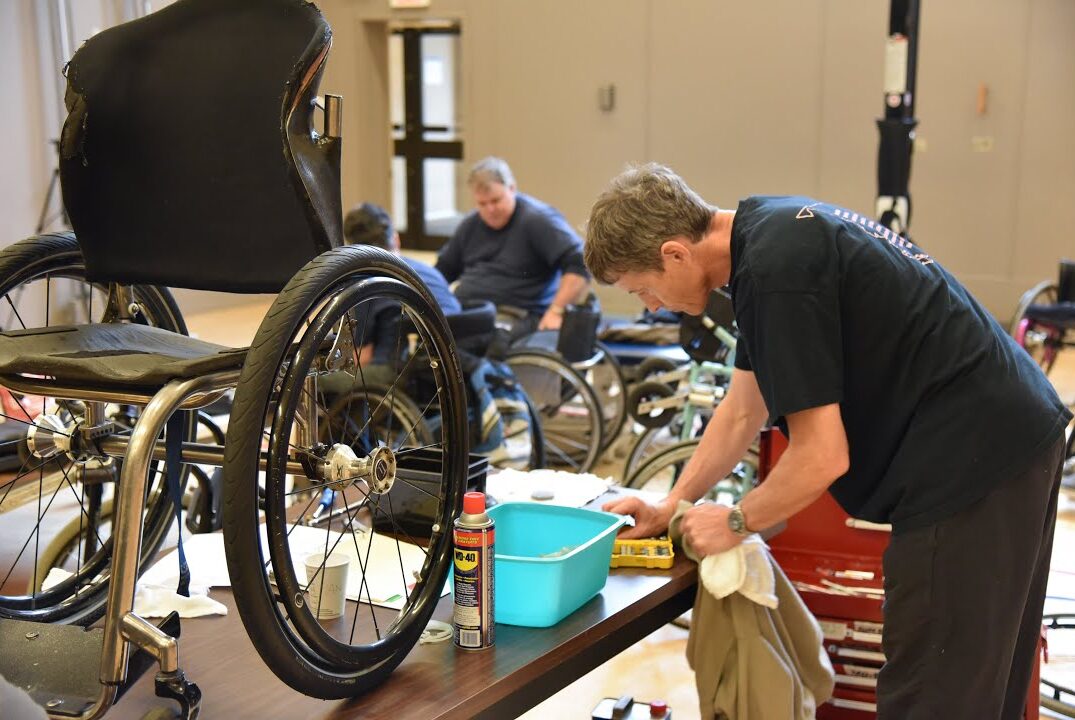
Taking care of your wheelchair and cushion is very important to make it last longer, be as comfortable as possible, and allow you to do what you want to do. Read More...

Information sheets
Bus and coach travel (powered wheelchair)
Bus and coach travel are a convenient alternative to car and train travel, allowing you to be independent and return to work and leisure activities as a powered wheelchair user. Read More...
Information sheets
Getting back to driving after spinal cord injury (powered wheelchair)
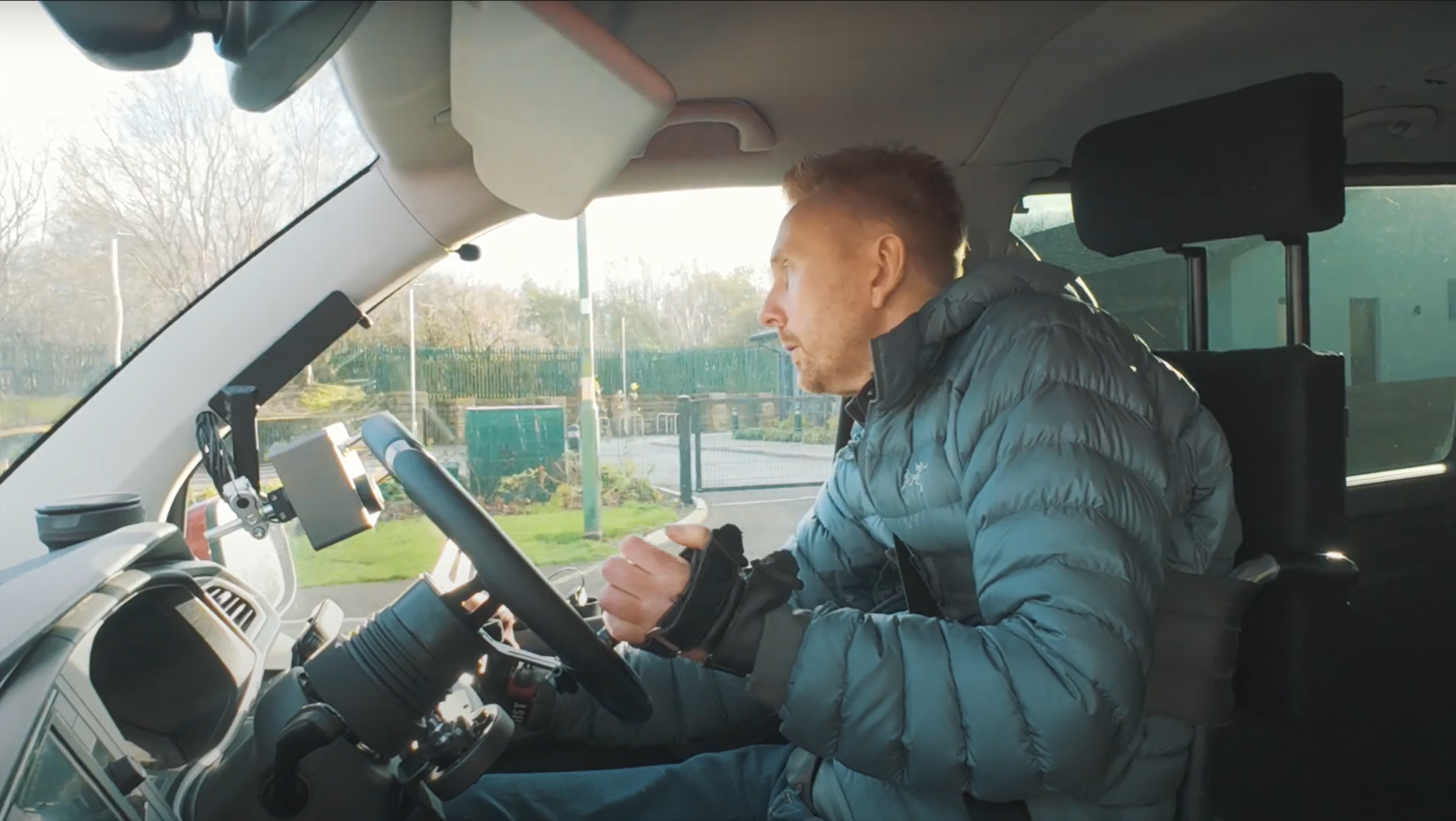
This page contains information about getting back to driving after spinal cord injury as a powered wheelchair user, from learning to drive, to driving assessments. Read More...

Information sheets
Train Travel (powered wheelchair)
Train travel can be a great way to travel locally, regionally, and internationally. As a convenient alternative to car and bus travel, train travel allows you to be independent and return to work and leisure. Read More...