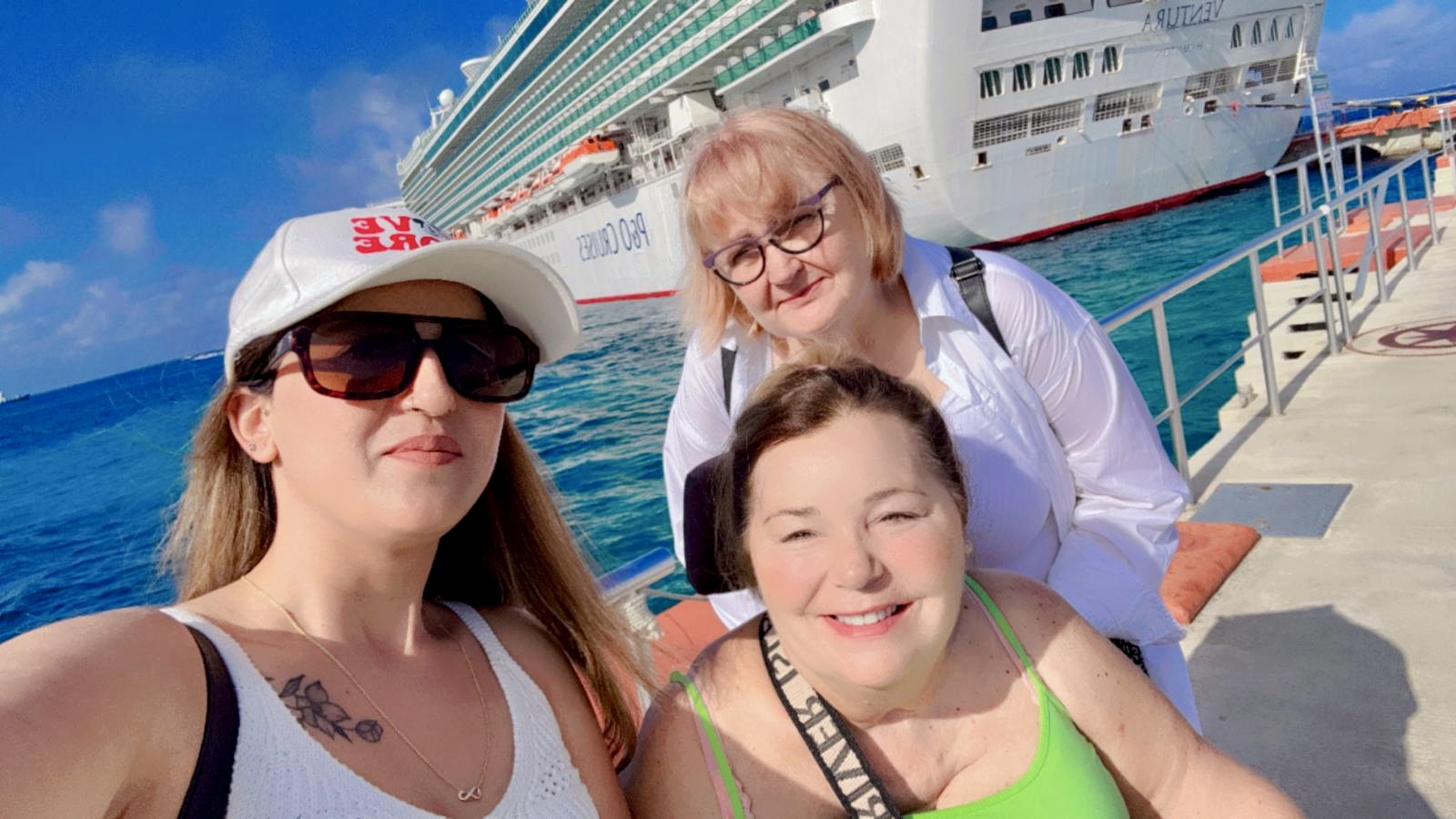
Our members say they would feel confident taking a cruise with the right support. Whilst there may be unexpected issues that come up, the following information should help you prepare for your cruise.
Where do you want to go? Think about: the environment, the climate and the journey.
Planning your cruise
> You may need to check with your healthcare professional that is safe for you to travel, especially if you have a new diagnosis or are waiting for surgery.
> The areas you travel to may mean you need to have vaccinations or get a visa.Different countries can have different rules that visitors must follow. For more information see Foreign travel advice – GOV.UK
> Cruise ships are effectively their own country whilst at sea, under the control of the captain. Each country which you would be visiting during a cruise will have its own rules including rules about medications.
> You should explore travel insurance options and buy appropriate cover. Getting travel insurance may involve answering questions about your health condition so have those details available when you get a quote.
> You can use specialist travel agents with expert knowledge if you want to or need to.
Booking your cruise
> When booking independently, explain what you want fully to ensure your safety and comfort and ask for assistance if you need it.
> Cruises can be booked over the phone, at a travel agent or online with a range of different companies. Your cruise may also be part of a larger journey, so you will need to plan this too. It is worth noting that there is often high demand for accessible cabins so booking early is advised.
> If you need personal care, medication, medical aids or equipment, you will need to think about this at the time you make your booking. Cruise ships have medical staff onboard, but they won’t usually know about spinal cord injury or cauda equina syndrome.
What are your personal and care needs?
> Consider the medications you will need during your trip so that you can order extra provisions ahead of time. It is helpful to take extra medication with you in case of delays / changes to travel plans. Take a copy of your prescription and the contact details for your GP.Restricted medications may require a doctor’s letter.
> Some cruise companies have medical / healthcare teams which can advise you
> Plan to have some medications and essential personal care items (such as catheters) in hand luggage so that it will be available throughout your trip.
> Consider your equipment needs for getting on/off the cruise ship and for the cabin as well as what is needed on any excursions.
> Some cruise companies have medical / healthcare teams which can advise you about this. Equipment used on the cruise ship might need to meet certain guidance.
> Talk to the cruise company when booking to ask about whether you can access all the facilities you need once onboard.
Mobility at Sea
There are a number of specialist companies who can work with you to provide equipment for your trip, for example Mobility at Sea. Based in Hampshire, they make cruises accessible to all and are proud to be the preferred supplier of mobility equipment to the major cruise lines.
“At Mobility at Sea, we pride ourselves on delivering a warm and friendly service to each of our customers. A big part of the business is to offer mobility products for people who are going on a cruise from Southampton, London Cruise Terminal, and Dover.”
During the journey
> If you are travelling alone, it will be important that you let staff know of any needs in case of emergency.
> It can take time to adjust to the feeling of being at sea and when you return to shore.
> Research any excursions to identify whether these have accessible ports and onward transport.
> At some of the ports visited, passengers will need to get onto a smaller boat. If this is not possible for you, talk to the cruise company to ask if you can make alternative plans.
Getting to the destination
> Talk to the cruise company when booking to ask about accessibility at the destination and whether you need any assistance or alternative transport.
> Research local accessible taxi companies at the destination if you need to use these services.
> If you need support for your journey once you reach the destination, it is helpful to ask for this when booking the cruise.
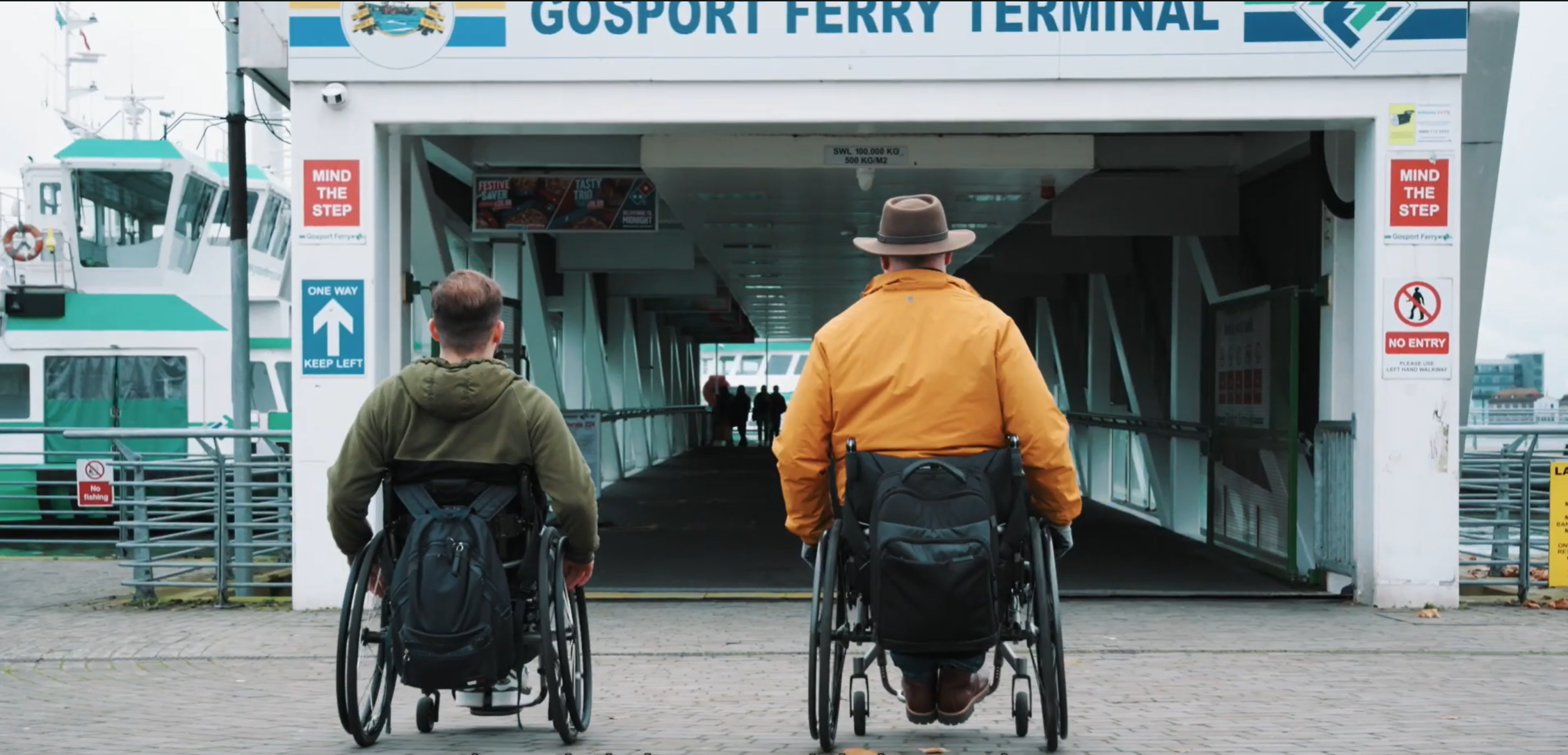
In this video we join our Harry and Mark as they enjoy a ferry trip in Portsmouth and meet Ian who talks about his experience of cruising in the Norwegian fjords. Read More...
Our members say they would feel confident travelling by ferry with the right support. Whilst there may be unexpected issues that come up, the following information should help you prepare for your trip. Read More...
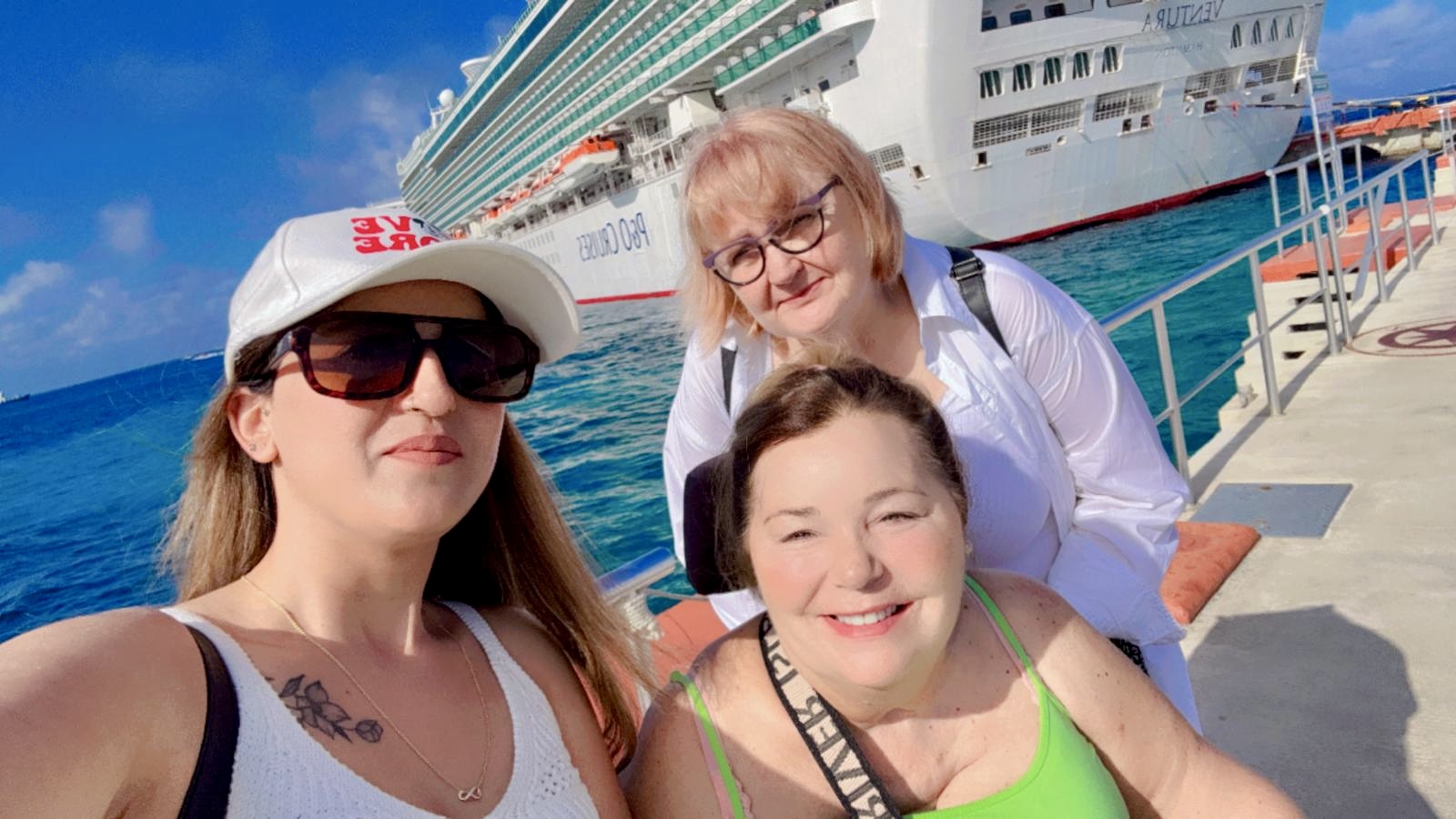
SIA member Jill Jackson recently embarked on a 35-day cruise around the Caribbean and USA – here she shares the highs and lows of life on board a cruise liner. Read More...