Air Travel: Managing your health pre and in flight
Good planning and preparation are important to make air travel as smooth as possible. Once you have booked your flight, take some time to think about your health care needs and how you might need to prepare for these when flying.
Use the following information below as a checklist. We hope that it helps you feel more confident about flying.
disability and travel aboard (Gov.uk)
What to think about before your flight
> Check with your GP or consultant that you are well enough to travel and whether there might be any medical reasons that might affect your travel plans, in particular if you have had recent surgery. Your doctor may not have all the medical information you might need for travelling by air and if they are unsure about ‘fitness to fly’ you may need to get advice from a ‘medical aviation specialist’ (a professional who can give you expert medical advice about flying).
> Check if you need any vaccinations (injections) / medications to travel to your destination. Leave plenty of time ahead of travelling to allow for lots of vaccinations if needed, including Covid-19/Flu vaccinations.
> More information can be found on the UK government website: Foreign travel advice (GOV.UK)
> Plan your travel insurance so that you are covered for unexpected issues. Always be open and honest to your travel insurer (for more information see Travel insurance for disabled people | Disability charity Scope UK).
> You will need to take medical supplies (gloves / catheters /medications) to cover the duration of your holiday, so plan to order more in good time.
> You should pack at least 2 to 3 days’ worth of supplies or all of them in your hand luggage in case your hold luggage is delayed or lost.
> Check with who provides your supply of catheters/ gloves/ wipes as to whether you can purchase emergency supplies of these in the country you are visiting, if needed. If not, or you are travelling for a long period of time, you could think about posting supplies ahead, such as to a hotel you are staying at.
- You might want to take more medical supplies than usual when travelling, especially if you are going on a long flight. Night bags (a large urine collection bag) can hold larger amounts than a leg bag (a urine collection bag that is strapped to your leg) which can be useful when managing your bladder on a plane. Some people who carry out intermittent self-catheterisation (passing a catheter at regular intervals throughout the day to empty their bladder) choose to put in an indwelling catheter (An indwelling catheter is a tube inserted into the bladder for draining urine, for those who cannot pass urine typically) for the flight to make managing their bladder easier.
- Check that any medications you take are allowed in the country you are travelling too. Some UK prescription medications are not allowed or even illegal in other countries. More information can be found on the UK government website: Take medicine in or out of the UK (GOV.UK)
- It is helpful to take a copy of your prescription in case you run out of any medication whilst away.
- If you suffer with lots of urine or chest infections, then you might want to see if your doctor will prescribe you an emergency supply of antibiotics to have just in case. Ask for medical advice before flying if you think you may have an infection, in particular a chest infection or an ear infection but still feel ok to travel.
- Have a note, perhaps on your phone, of how to say ‘Doctor’, ‘hospital’, ‘pharmacist’ (and other important words) in the language of the country you are travelling to.
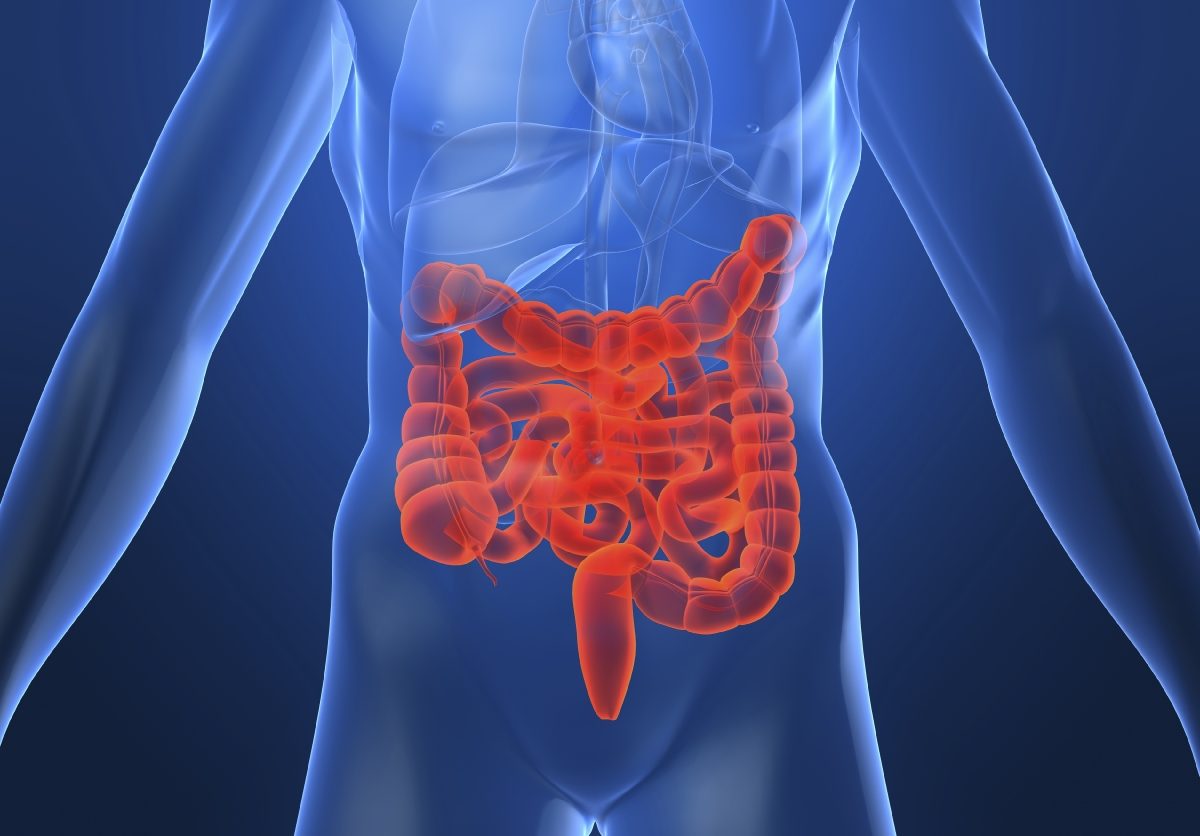
- The air you naturally have in your tummy and bowel can get bigger when you fly in a plane as air expands as it rises. We would advise you to only eat small, simple meals (nothing that might upset your stomach) for a day or so before you travel and do not drink fizzy drinks or alcohol before or during the flight.
During the flight …
Bladder management
> Speak to your continence advisor (a continence advisor is usually a nurse who will assess you and agree a treatment plan for your incontinence and explain management options) that are available or one of our specialist clinicians at SIA to discuss any worries about looking after your bladder before travelling.
> It is very important that you drink enough water during your flight so that your body has enough water to work properly and you avoid dehydration. If you do not have enough water in your body you have more risk of getting a urine infection. This does not mean that you should drink lots of alcohol because drinking alcohol can make you lose even more water.
> If you are travelling to a hot country where you are likely to be drinking more fluids, consider taking extra supplies of catheters.
- Think about whether you will be able to get into the toilet during the flight. Unless you are able to stand and step it is unlikely you will be able to.
- If you usually use intermittent self catheterisation (ISC’s) to manage your bladder, it might be worth thinking about different methods of managing your bladder, such as using a Penile Sheath or Indwelling Catheters with a leg bag, for longer flights.
- On longer distance flights, using a night bag rather than leg bag can be helpful to not have to worry about how much water you are drinking. You can seal and place a full/used urine bag in a carrier bag which can be emptied in the aircraft toilet by your companion or if travelling alone in the airport toilets on landing.
bladder management (SIa knowledge hub)