Air Travel: Preparation
This page contains information for people with spinal cord injury and cauda equina syndrome who want to travel by air. Good planning and preparation is important to make your journey as smooth as possible. There may be many processes to follow but air travel can open up the world to you.
The Checklist!
Choose your destination! What’s it like? … Think about:
- The weather (how would you manage in the heat or the cold?)
- The facilities (medical care, accessibility and equipment)
- The activities you’d like to do.
How are you going to get there?
- Are you flying direct? Direct flights may reduce the stress of transfers
- If you do need to have connecting flights, try to avoid short connections times between flights
- Do you need to travel with a companion? (e.g. if you need assistance with personal care and the going to the toilet during the flight, or assistance in an emergency)
- If this is the first time you have flown since your SCI, consider whether a shorter flight might be advisable whilst you work out what does and doesn’t work for you.
AIR TRAVEL: MANAGING YOUR HEALTH
Which airport do you want to fly from?
- Does your closest airport meet your needs best?
- How will you get there?
- Are the flight times offered by a different airport going to suit you better?
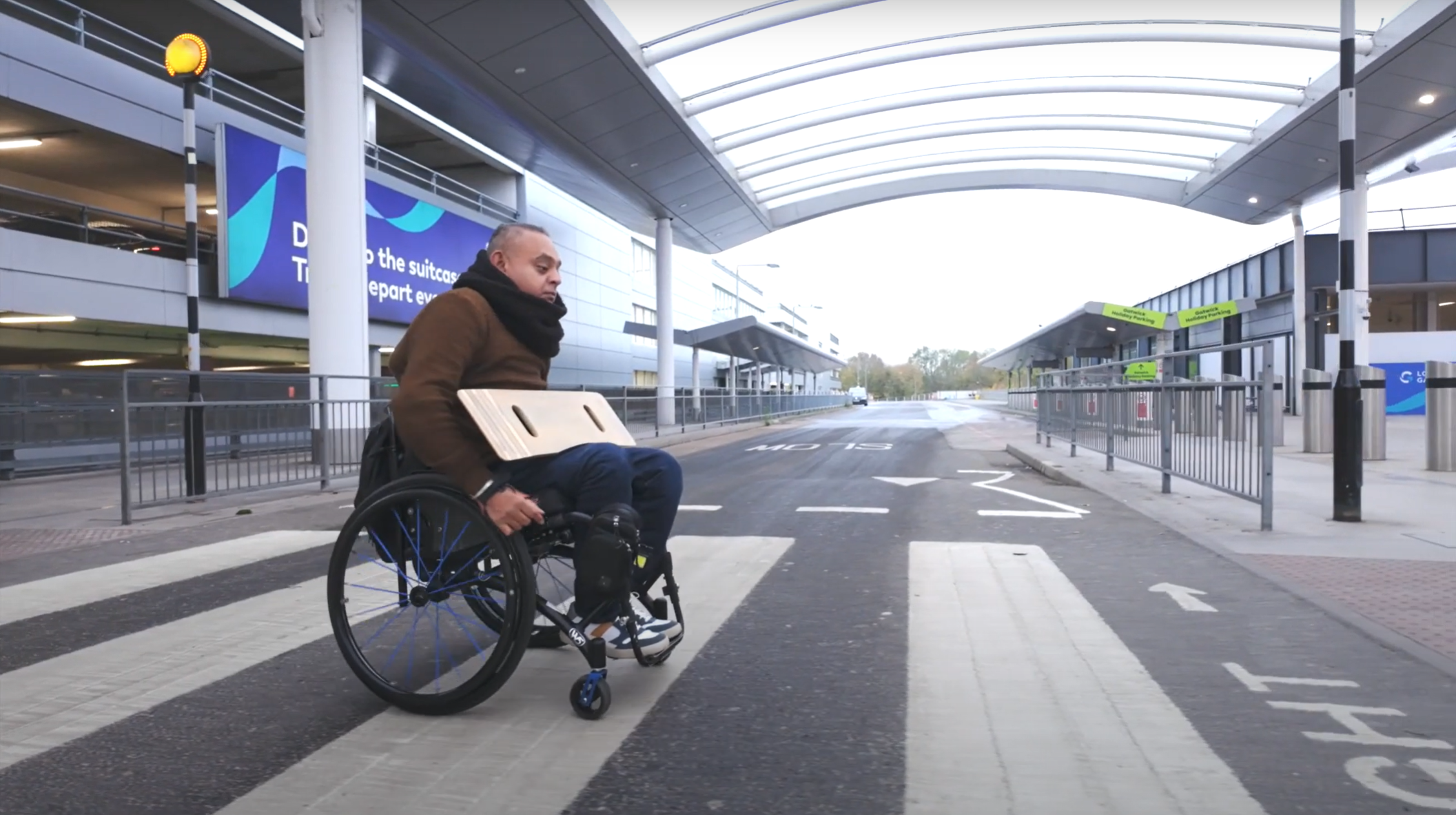
- Which airport has the best drop off or parking facilities that might suit you better?
When you would like to fly?
- What time of day is best for your new routines to make flying as easy as possible (for example your bladder and bowel routines)
- Will there be a time difference at your destination and how might it effect you?
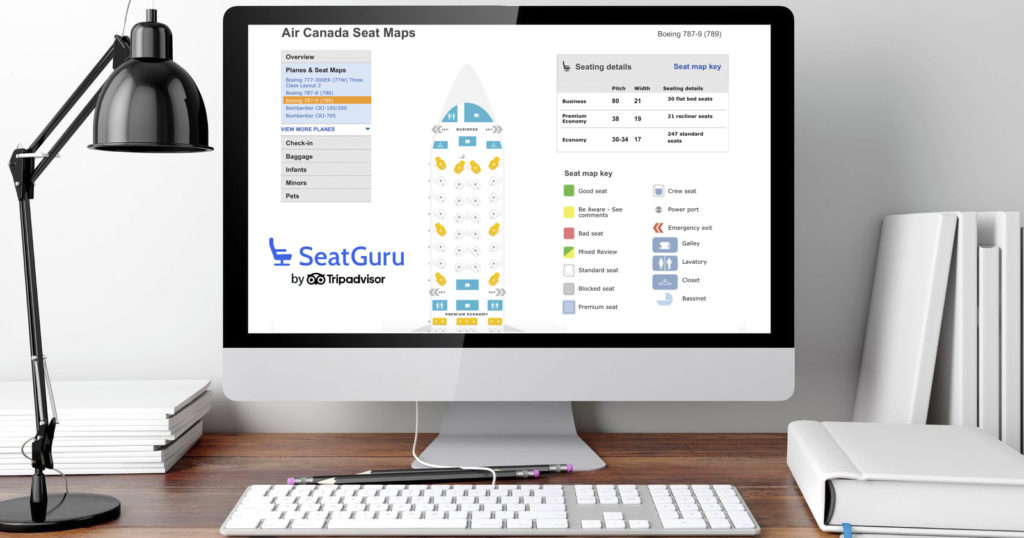
- Talk to other people about where they’ve travelled to and what they recommend. Look at reviews of places, airports and airlines to get as much information as you can.
Booking your flight
You can book through a travel agent or directly with an airline. If you would like assistance at the airport you need to book it with the airline AND the airport at least 48 hours in advance. The more notice you give, the better. If you are booking through a travel agent we still recommend that you contact the airline to tell them separately so they know you are travelling and need assistance. Think about the assistance you need.
They might ask:
> Will you need to use a wheelchair for all or part of the time?
> Will you need assistance to get on/off the aircraft?
> Will you be bringing other disability/mobility equipment?
- If you are bringing a wheelchair you need to have the measurements of it (it’s length/height/width and weight). If you are bringing a powered wheelchair you need to know what type of batteries it uses (see Powered Wheelchair information sheet).
- All airlines have an accessibility page on their website. This means information on the type of assistance that is available getting to and from the aircraft and also on board the aircraft. Many have a helpline available on the phone.
- Each airport has an accessibility page on their website. This means the type of help available at the airport. The website might have maps, tours and videos. Many have a helpline available on the phone.
- You may be asked to give this type of information at several points during your journey through the airport to make sure the airport and airline can plan assistance accordingly and make your journey as smooth as possible. This is because airports and airlines have lots of different companies, departments and people working in them and you are the holder of the information. If you have all your information handy it will make this process much easier.
What next …
Think about how you will get to the airport and what parking or transport you may need. The extra cost of premium/valet parking nearer the terminal may be a good idea as it’s easier to manage your luggage and you won’t need to use buses to the terminal.