This page contains information for people with spinal cord injury (SCI) or cauda equina syndrome (CES) who want to get back in to driving.
So, you’ve had your driving assessment, sorted out a vehicle and now it’s time to get back on the road! What practicalities do you need to think about after your spinal cord injury? This information aims to talk you through the practical things to consider when you’re getting back on the road.
Planning your journey is always recommended
Consider the length of your journey; you may want to start small and somewhere familiar when you return to driving after your spinal cord injury, as this can feel less daunting.
On longer or unfamiliar journeys, you might need to think about when and where you’ll take a break. You may want to consider accessible toilets and parking. You’ll also need to think about refuelling or charging your vehicle.
Google Maps or other journey planners can be helpful to plan your route. Google Maps provides an image of any stops, as well as your destination, which can warn you of any access issues.
In addition, National Highways provides advice and information relating to travelling on the UK roads, including details of service stations.

Accessible services
We want you to have a safe T.R.I.P. this Autumn
If you’re thinking of going somewhere new or need some ideas, there are plenty of different travel websites that can give you information about how accessible the venue is and what facilities they have. Try the following:
- Lonely Planet accessible guides
- The Rough Guide to Accessible Britain


What are your personal care needs?
The length of your journey will determine what your personal and care needs might be. You might find it helpful to have a bag in your car with extra supplies such as catheters, gloves and wipes and an extra set of clothes. If you’ll need to manage your bladder or bowel during your journey, then think about checking what facilities will be available along your route and whether they’re accessible to you.
Websites such as AccessAble and Euan’s Guide can help you find this information. Think about how to manage your skin during your journey. You’ll need to carry out pressure relief if you’re going to be seated for longer than an hour in your
car. You need to consider how you’ll complete this safely and whether you’ll require assistance to do it. It may be useful to gradually build up the length of time you spend sitting in the car seat, to help prevent pressure ulcers. Also, make sure you get into and out of your car slowly and carefully to avoid any shearing injuries to your skin.
Check our information sheet on skin management for more information
skin management
What are your mobility equipment needs?
Consider what mobility equipment you’ll need, both during the journey, and also once you arrive at your destination. Your comfort when driving is important, so do you need a cushion or support to help manage your pain levels when travelling? Most people can sit on a standard car seat without the need for an additional pressure-relieving cushion. If you’re considering using an additional cushion though, either for comfort or to protect your skin, then make sure it’s safe to do so. You may need to check with the car manufacturer.
Once at your destination, will you need to navigate longer distances, unfamiliar or uneven terrain? You may want to consider taking different mobility aids such as a walking frame or wheelchair to help with this. Have you looked at whether hiring a mobility scooter or similar could be an option at your destination? Many shopping centres and attractions offer this.
Are you taking a long journey where you may get tired? Is it useful to have a transfer board at hand to complete car transfers when you tire or for later in the day? What activities will you be doing when you arrive at your destination? Do you need any additional equipment such as a free wheel or powered add ons to make your day easier? If so, how will you store these and use them? Link to information about these products / our wheelchair fact sheet)
If you’re planning to travel in your wheelchair within a vehicle, then you’ll need to have a head rest for your wheelchair and ensure that your wheelchair is tethered correctly in the vehicle. Check your wheelchair manufacturer’s website for details of how to secure your wheelchair safely if you’re unsure.
Parking and Blue Badge Scheme
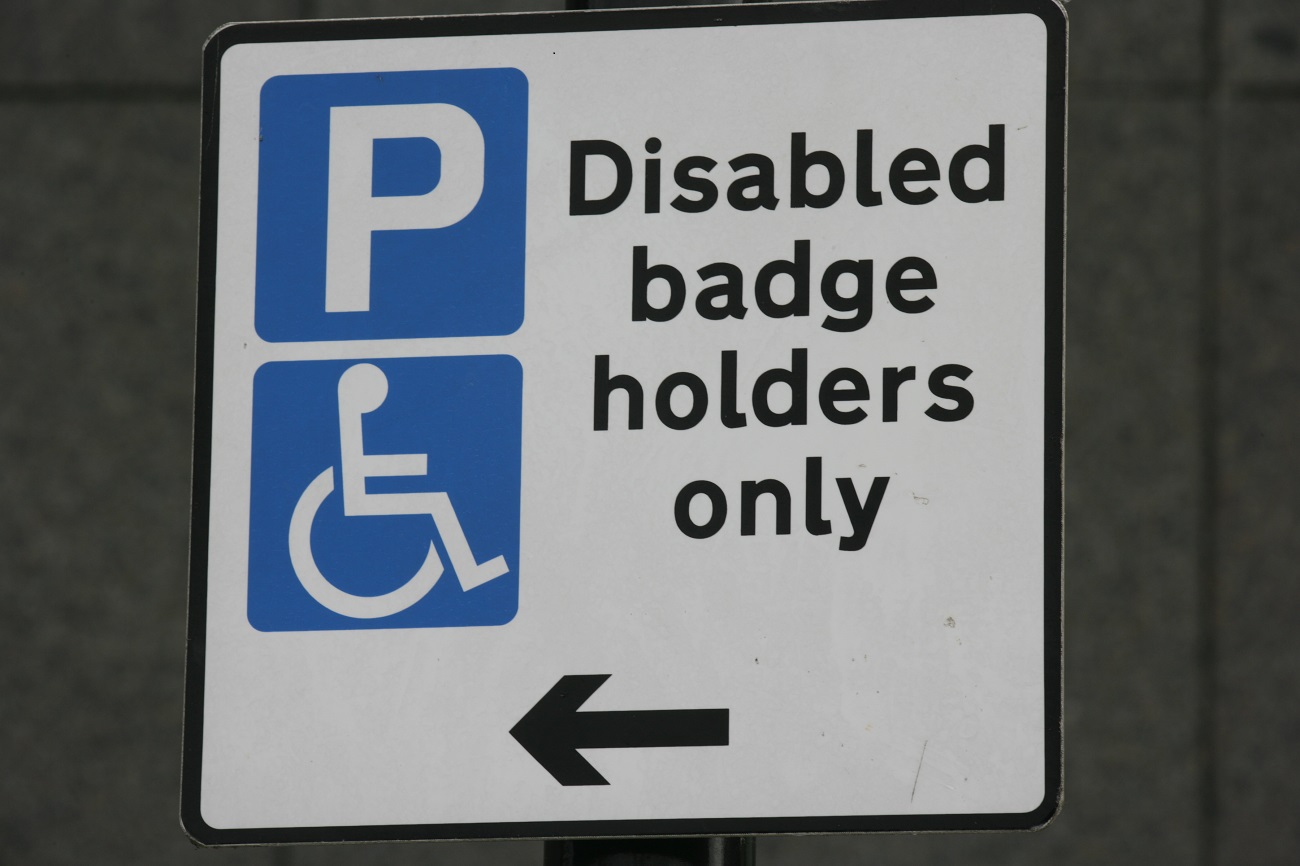
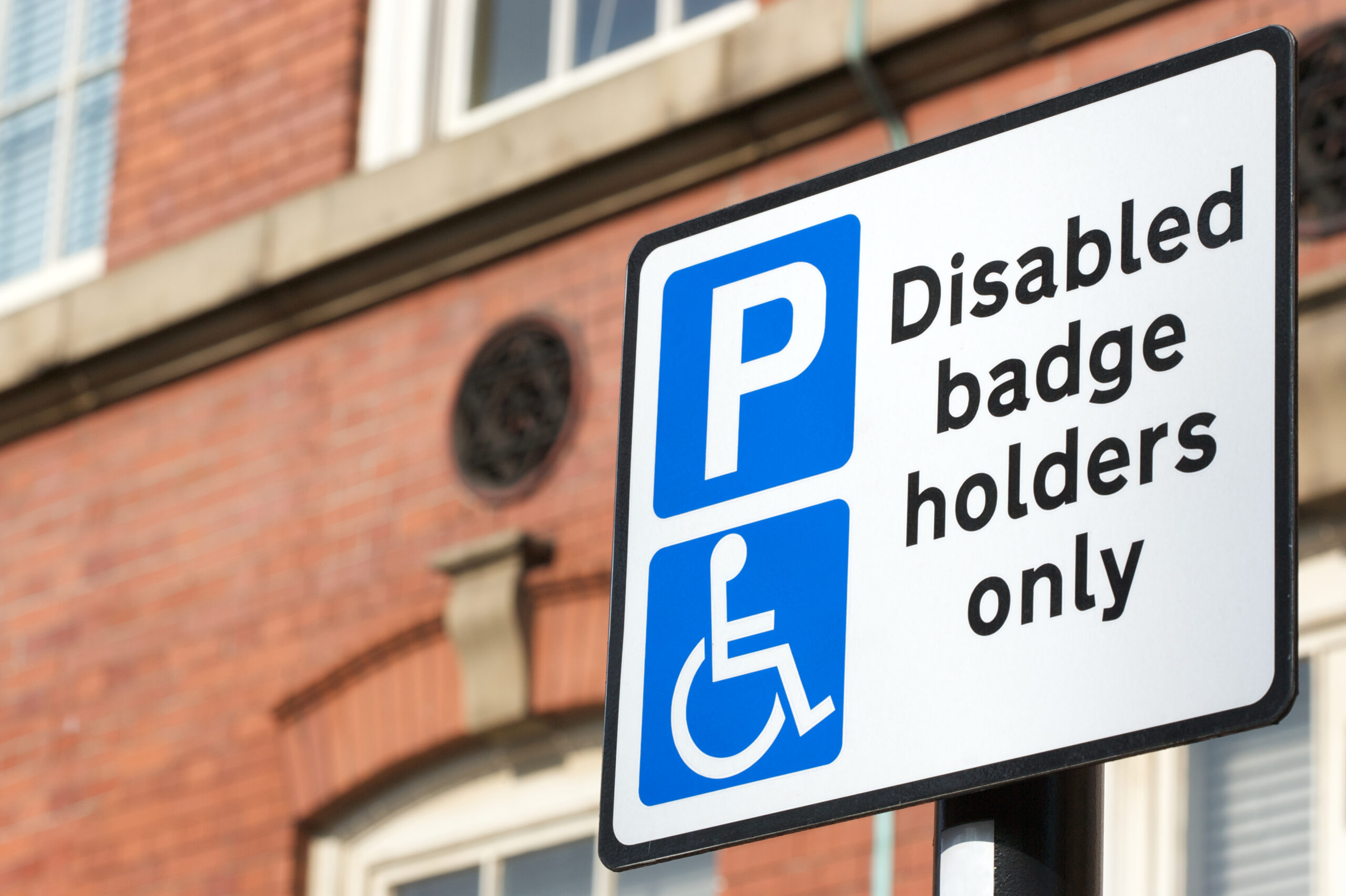
The Blue Badge scheme provides parking benefits for disabled people who travel either as a driver or a passenger. The scheme helps with on-street parking and allows you to park free of charge in some areas, use designated Blue Badge spaces, and park on single or double yellow lines for up to 3 hours. It’s not applicable to off-street parking, such as car parks and hospitals. These may have designated Blue Badge spaces but check whether they are free or paid spaces.
Apply for a Blue Badge
To apply, you can either contact your local council or apply online Apply for or renew a Blue Badge – GOV.UK (www.gov.uk). There can be a charge for a Blue Badge application.
You will automatically qualify for a Blue Badge if you receive:
- the higher rate of the mobility component of DLA
You may still be eligible for a Blue Badge if you have reduced mobility, but you’ll need to apply and be assessed as to your needs. Consider your mobility needs as a whole and your mobility on a good and bad day and provide examples when applying for a Blue Badge. Remember, even if you don’t intend to drive, you’re still entitled to a Blue Badge as a passenger.
How do I find parking?
It can help reduce any concerns about travelling if you know there are accessible parking spaces available at your destination. If you’re going to places such as a hotel or an attraction, then check their website or call them ahead to check.
Local council websites often have information about Blue Badge parking spaces or accessible parking, so check these out if you know which council covers your destination
There are also websites or apps that can help you find parking, such as:

Parking for Blue Badges | Blue Badge Parking | WheelMate | Google Maps
How do I refuel/charge my car?
If you need to refuel your car, think about how you’ll access the fuel pump or EV charge point. It is possible to do this independently for many people but there are assistance options if you think this might be difficult or time/energy consuming.
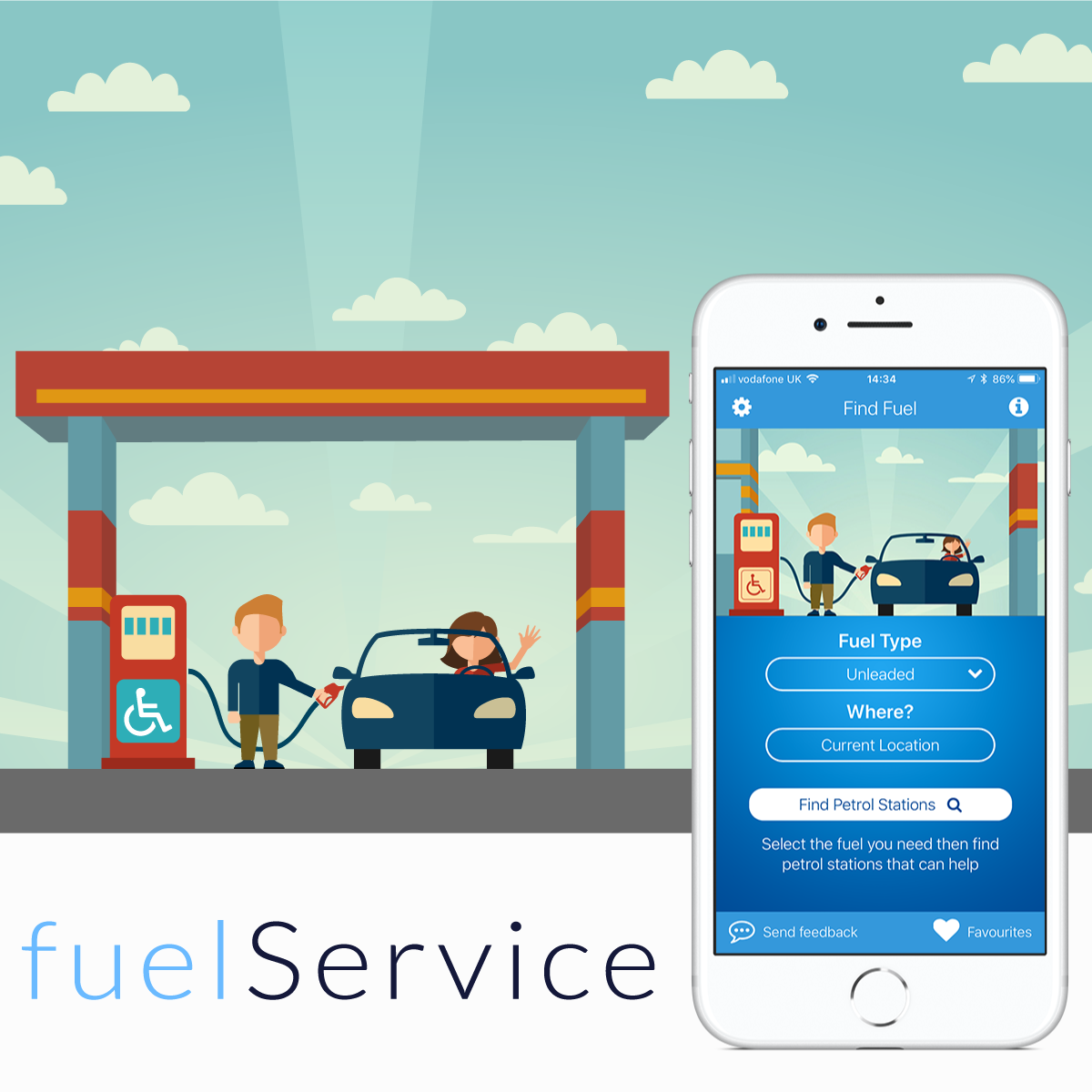
The Fuel Services app can help you locate a petrol station with staff available to assist you. It will alert the staff when you arrive, and they’ll come out and help you. Apps such as BPme and Esso fuel finder can be helpful in allowing you to pay for your fuel without leaving your vehicle.
If you can stand and walk for a short distance, you may be able to access a petrol pump or electric charge point yourself. Consider the weight of the charge cable/petrol hose and how this may affect your balance when refuelling. Using the pay-at-pump option or fuel apps will help you conserve your energy levels.
It may be that your carers, if you have them, can help with refuelling or charging your vehicle. You can still use one of the apps suggested above to pay, so you retain control of this aspect.
Using service stations
Motorway service stations can be a good option if you need to break up your journey, with multiple facilities available.
Most service stations are level and accessible; however, older service stations may not be easily accessible or may have had lifts fitted later. It can be helpful to check in advance whether the service station you plan to use has the facilities you need. You can do this by checking their website directly or have a look at AccessAble for reviews and information on service stations.
There can sometimes be a lengthy walk to the toilet facilities in service stations. It can be helpful to prepare for this or consider whether a mobility aid/wheelchair would help you to reach these more quickly and easily.
What do I do if I breakdown?
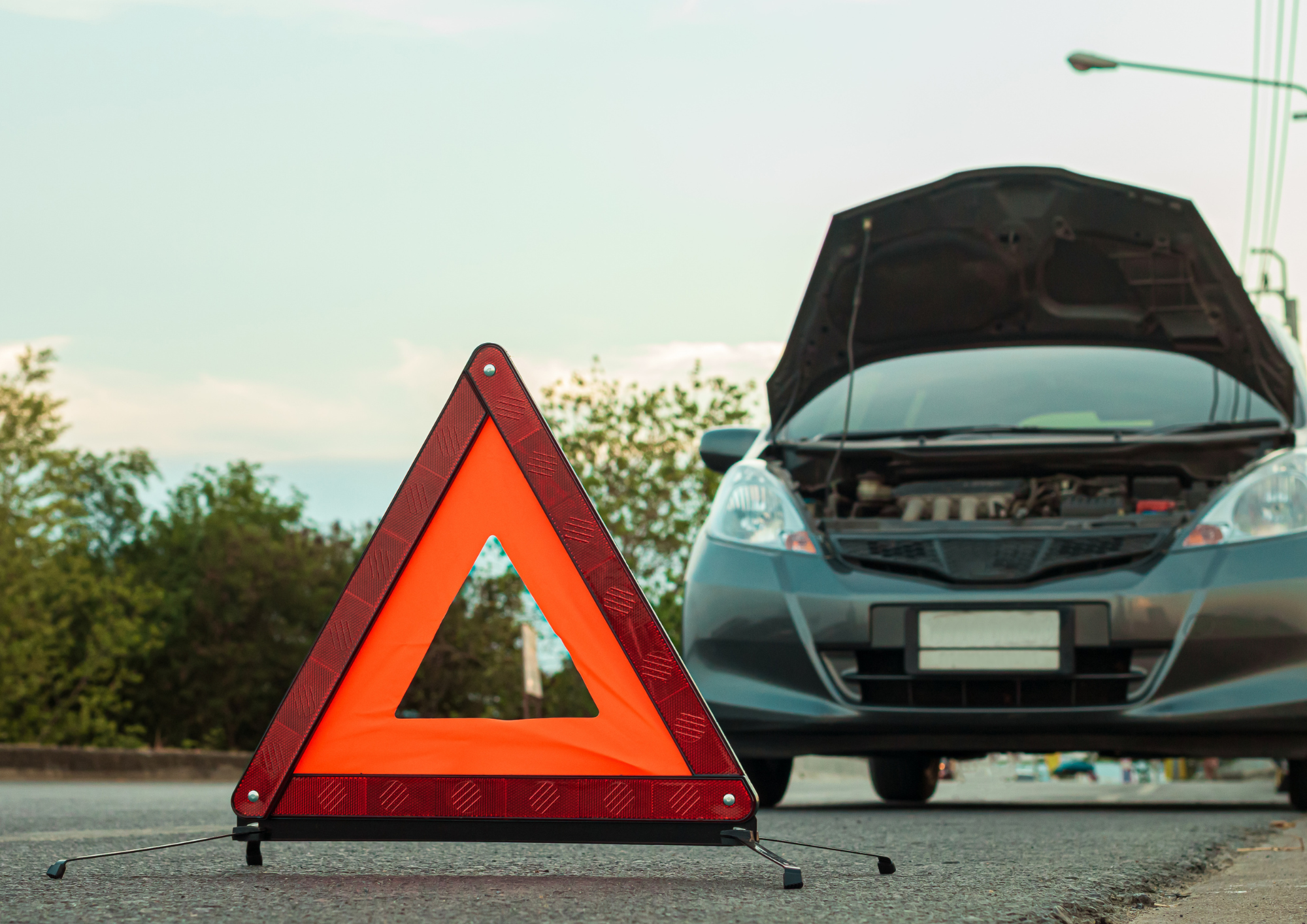
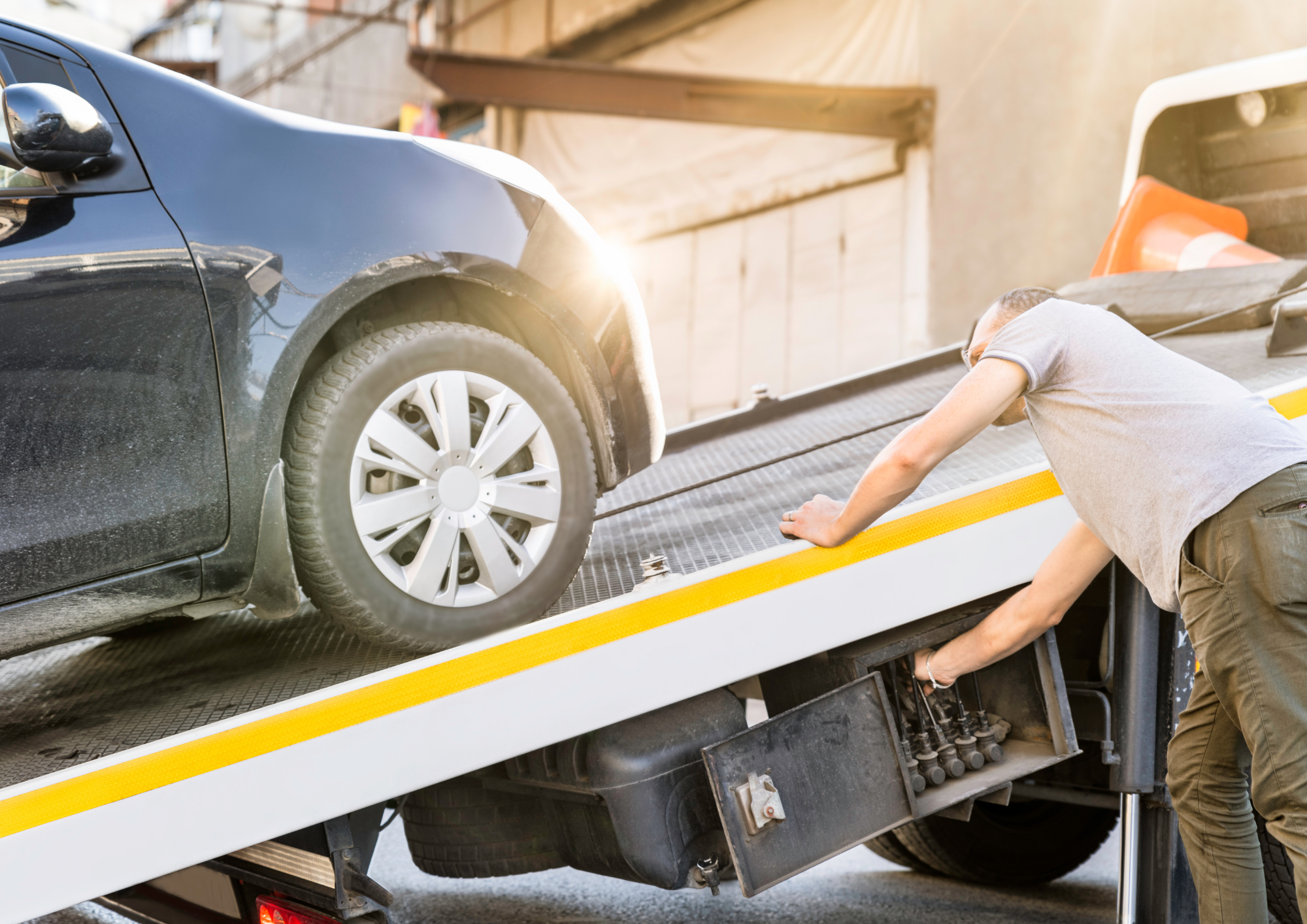
Breaking down is never a pleasant experience but can feel more worrying if you’re disabled, especially if you’re stuck somewhere causing an obstruction, such as on a motorway.
It might be useful to think about how you would manage this beforehand, so you can be as prepared as possible.
- Remain as calm as possible.
- Keep your mobile phone to hand so you can call for help.
- Can you alert a passerby to assist you?
- Make sure you have details of your insurance company and breakdown assistance in your car.
- Make sure you keep emergency supplies in the car, such as food, drink, a blanket and a torch.
Breakdown assistance
If your vehicle has been provided through the Motability scheme, then breakdown assistance is provided with this.
If not, then it’s highly recommended that you arrange roadside assistance breakdown cover. When contacting companies, it’s useful to let them know about your disability and how this affects you. This will allow them to tailor the service they offer to your specific needs. Companies will often offer a priority service for people with mobility problems. You may also want to think about what cover you now need. Would it be useful to have cover that provides onward travel should you break down, or that offers a replacement vehicle, for instance?

Car Travel - On the Road Information Sheet
Information sheets
Car Travel: Vehicle options and adaptions
Our information sheets 'Understanding car travel’ and ‘Getting back to driving’ cover the practical issues of returning to driving and driving assessments. Once you’ve addressed these, it’s a good time t think about getting a car and. Read More...
Videos
Car Travel – Ian’s story
In this video we join Ian who uses a WAV (wheelchair accessible vehicle). He talks us through the process of getting a Motability car and how important driving is to his independence and freedom. Read More...
Information sheets
Getting back to driving after spinal cord injury (walking with assistance)
On this page you will find details about driving assessments and learning to drive. It also tells you about equipment to help you get in and out of a car and to help put your. Read More...