As a convenient alternative to car and bus travel, train travel allows you to be independent and return to work and leisure activities.
The ability to enjoy all forms of travel is important for the wellbeing of all people with spinal cord injury/CES.Train travel can be a great way to travel locally, regionally, and internationally.It’s important to plan ahead to prepare for your trip by train.Whilst there may be unexpected issues that come up, we hope the following information will help you get ready for your journey.This page covers basic details about booking, managing your equipment and your personal care needs during train travel for further information download our Train Travel information sheet.
Preparation and planning
If you walk or use mobility equipment some or all of the time, planning ahead can make your journey more accessible. Use this checklist to support your travel:
Mobility Support: Decide whether to use a mobility aid or book assistance.
Door-to-Door Planning: Consider every stage of your journey, including transfers.
Activity Level: Think about how much walking, standing, or carrying luggage is involved.
Physical Impact: Anticipate how the journey may affect you (e.g. fatigue, pain, spasms).
Route Planning Tools: Use apps like Google Maps with keywords such as “step-free access” or “least steps” to reduce walking distance.
Your mobility and equipment needs
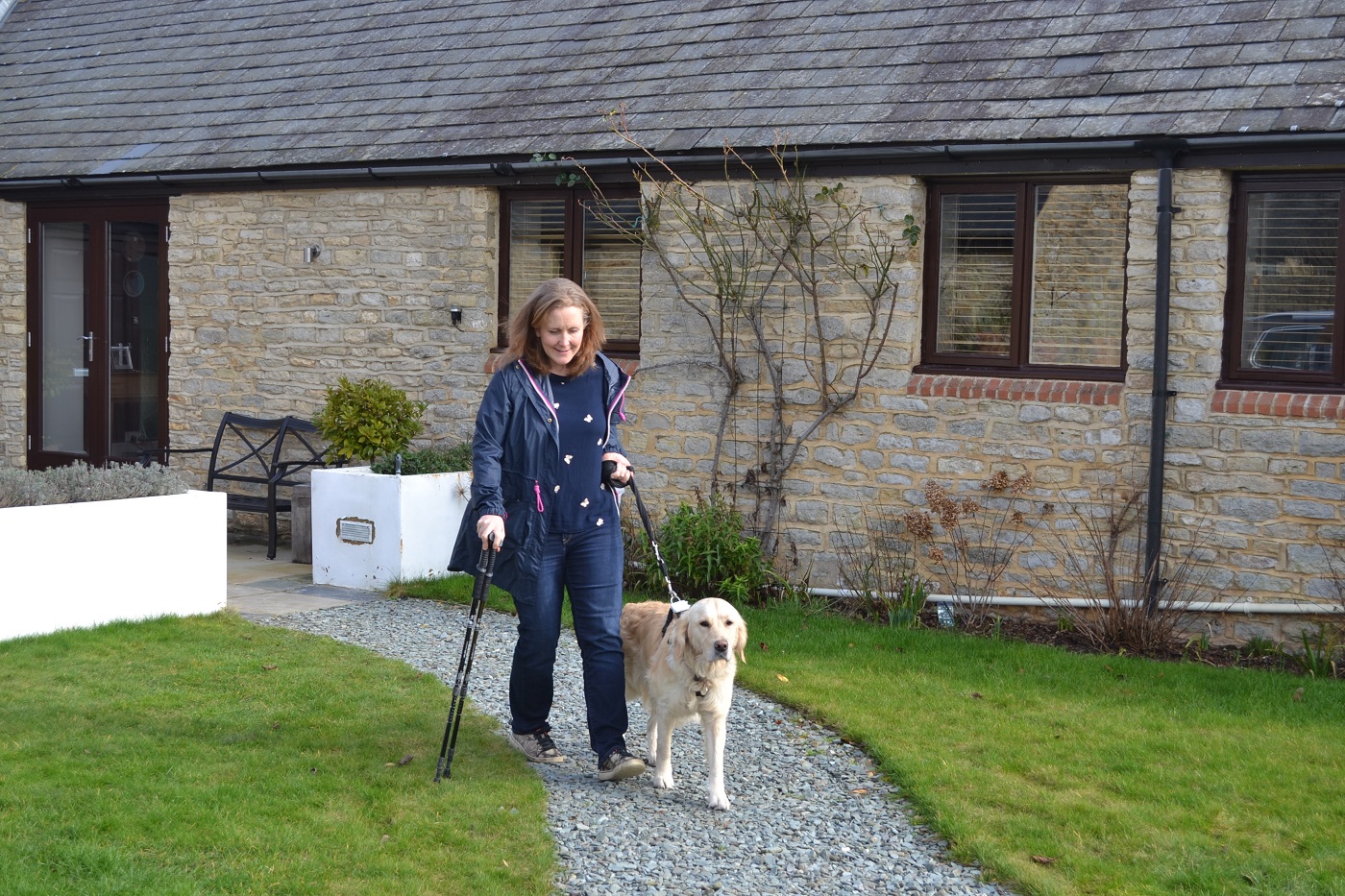
If you are able to walk for part of the time or with the help of mobility aids, it’s important to think ahead to ensure your journey is as comfortable and manageable as possible.
Ask yourself:
Will this journey require more walking than you’re used to?
Could increased walking affect your pain levels, cause fatigue, spasms, or discomfort?
Are there places to rest along the way—such as seating areas or quiet spaces?
Would using an additional mobility aid (e.g. a scooter, wheelchair, or power add-on) help you travel further with greater ease and comfort?
Will you need to carry luggage or shopping? How will you manage this?
Would you benefit from wearing a hidden disabilities sunflowerlanyard to discreetly indicate that you may need extra time, space, or support?
Your personal and care needs during travel
Planning for your personal health and care needs is essential to ensure a safe and comfortable journey—especially for longer trips or those involving multiple connections. Consider the following:
Identify toileting facilities on board and at stations.
Maintain skin care routines to prevent pressure ulcers.
Allow for rest periods to manage tiredness throughout the day.
Communicate needs clearly to staff for assistance.
Prepare essential documents and medication for the journey.
Passenger assistance services overview
Passenger assistance services provide crucial support for disabled travelers during their train journeys.
Assistance can be booked online, via app, or by phone, ideally at least 2 hours before travel. Passenger Assist allows you to request an assistance booking in advance either on line or phone
Travelers can also request help upon arrival at the station.
It is recommended to book assistance alongside ticket purchases for convenience.
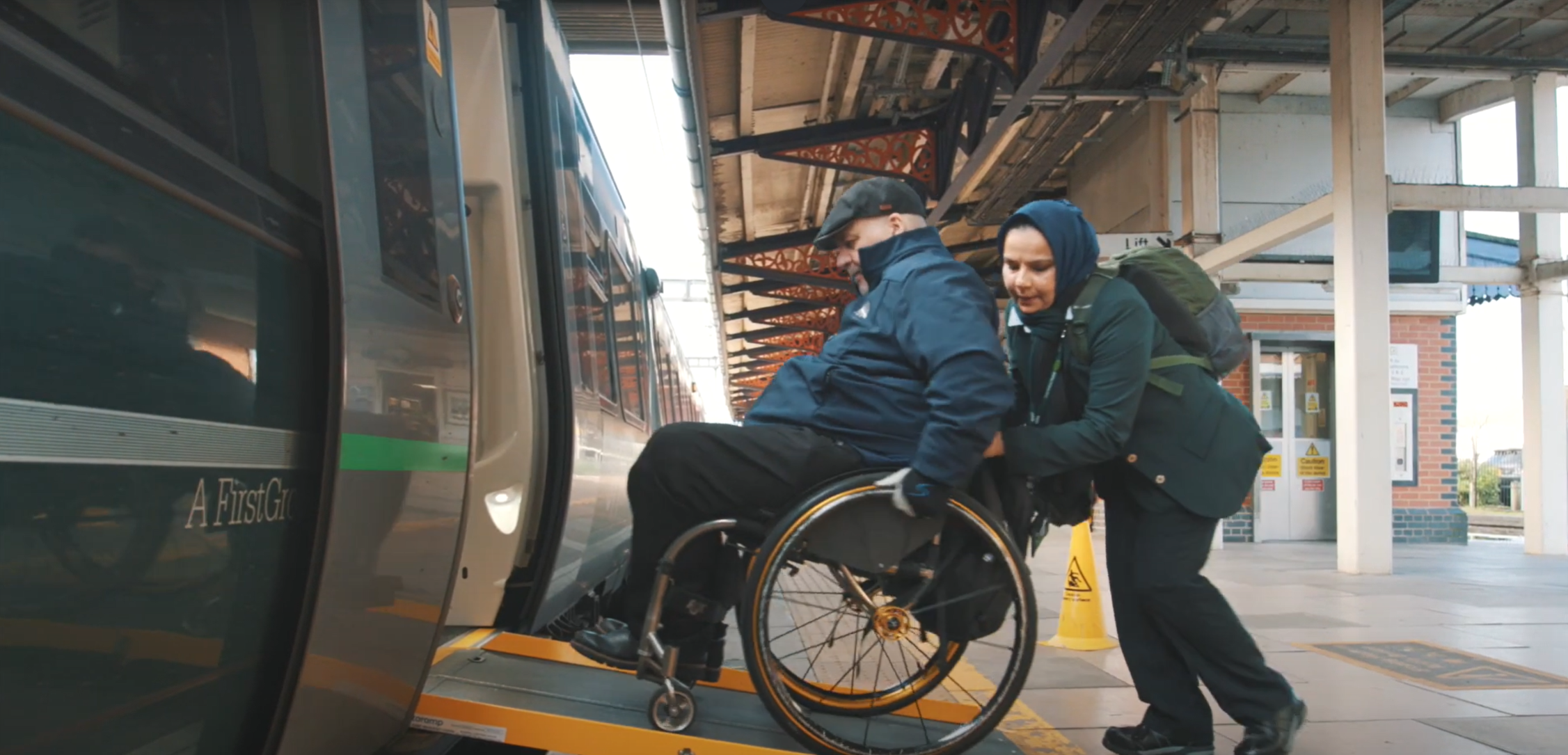
Staff are available to help with boarding and disembarking from trains.
Any train company can also organise assistance for your entire journey, even if you are travelling on multiple services. You tell them where you want to travel and your needs are. They can help book your assistance and tickets (tickets only if by phone)
You can also visit a Ticket Office to buy your ticket and book assistance – If possible, go to a staffed station ticket office, where they can do this in one step. You can do this on the day or in advance.
Rights and problem-solving strategies
It is frustrating and highly inconvenient when things don’t work. When there’s no ramp, or a lift is out of order, it can make you feel angry and stressed and it can ruin your day. Understanding rights and having strategies in place can help manage unexpected travel issues.
Our Train travel information sheet contains a list of helpful practical and coping strategies. Click on the link below to download a copy.
Various resources are available to assist disabled travelers in planning their journeys. For a more comprehensive list download our information sheet by clicking the link below.
In this video we join our SIA members Simon and Jan as they travel via train from Berkshire to meet their friend Lady-Marie for lunch at Paddington Station in London. Read More...
Train travel can be a great way to travel locally, regionally, and internationally. As a convenient alternative to car and bus travel, train travel allows you to be independent and return to work and leisure. Read More...
Underground Train Travel (walking with assistance)
Using the underground with a disability is possible and we would encourage members to try it. However, there are a number of important points to consider when you have spinal cord injury (SCI) or cauda. Read More...
Bus and coach travel are a convenient alternative to car and train travel, allowing you to be independent and return to work and leisure activities as someone who is able to walk with assistance. Read More...