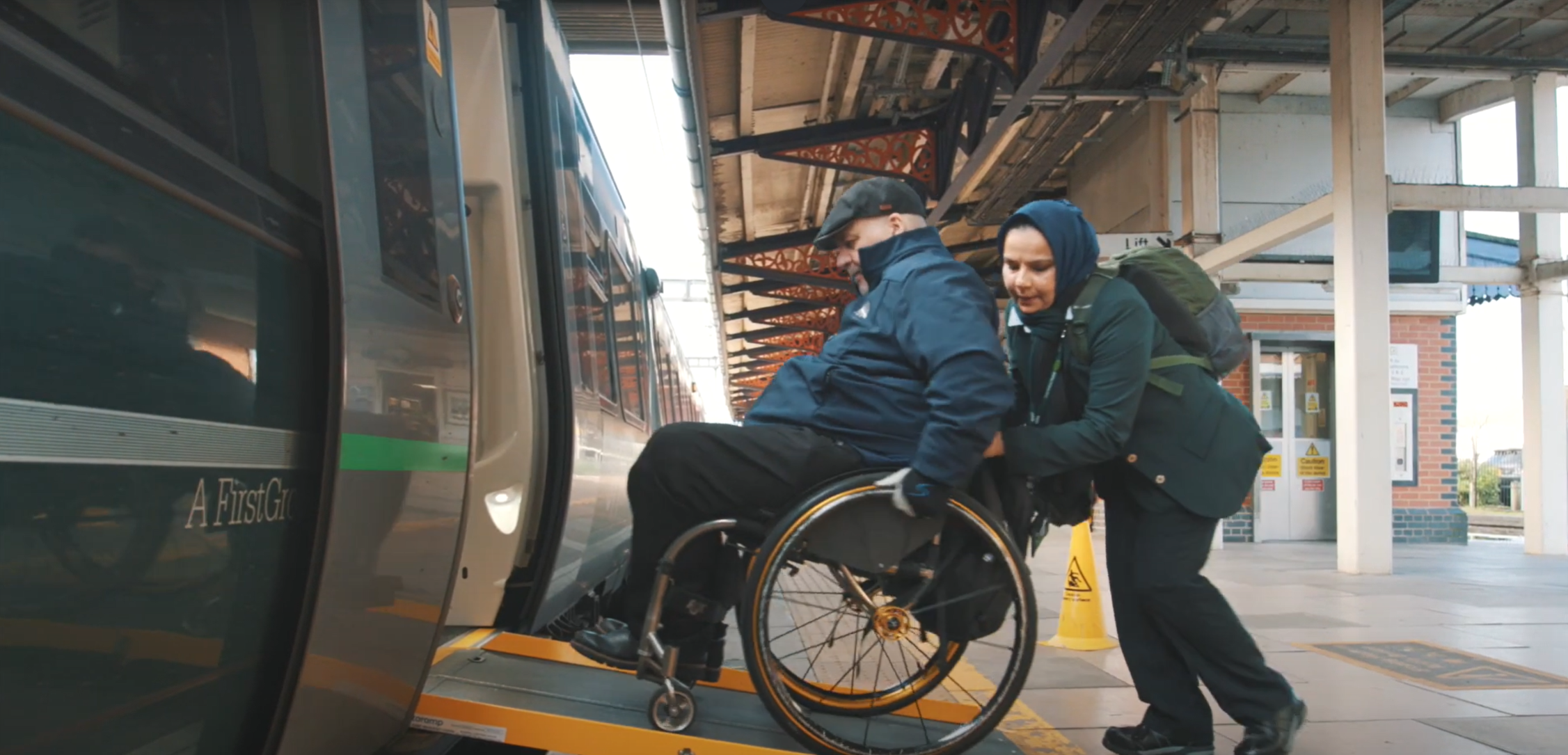
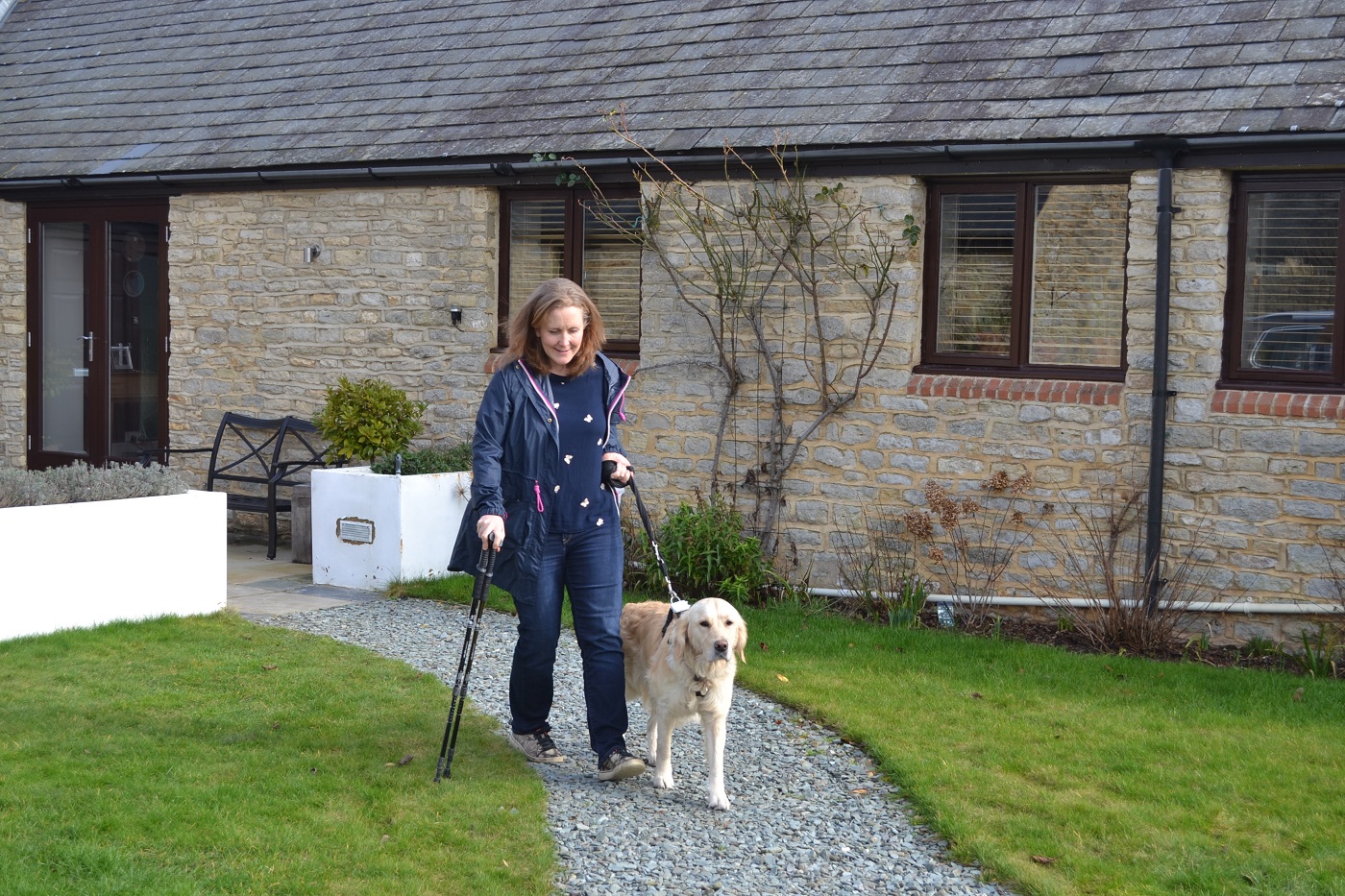
Underground Train Travel (walking with assistance)
Underground train travel as someone who can walk with assistance
Using the underground with a disability is possible and we would encourage members to try it.
Travelling by underground train, whether in London or elsewhere, is a cheap and fast way to get around a city. However, there are a number of important points to consider when you have spinal cord injury (SCI) or cauda equina syndrome (CES).
The underground transport system relies on many stairs, lifts and escalators. It also relies on connecting services and lines, with connecting tunnels and walkways between stations. This also means there is more distance to walk or wheel than you may think.For this reason it is best to plan ahead and find out about the accessibility options available. Transport for London (TFL) who operate London Underground havecreated accessibility services to enable people with mobility limitations to travel on their trains.
This page covers basic details about booking, managing your equipment and your personal care needs during underground train travel for further information download our Underground train travel information sheet.
Planning your journey
For those who walk/use mobility equipment for some/all of the time, planning ahead will make your journeys more accessible.
Key questions to consider:
How do you want to travel?
Will you use a mobility aid or require assistance? What type of aid will you be using?
Things to think about:
Your entire journey, door to door:
Could journey planning tools or passenger assistance services make things easier? Consider using apps like TfL Go or Passenger Assist from National Rail. Activities during travel:
Will you be walking or standing for extended periods? Will you need to carry luggage? Your physical comfort:
Think about how the journey might affect you—fatigue, pain, or muscle spasms can impact your experience. After you arrive:
Consider how you’ll feel once you reach your destination, so you’re able to enjoy your planned activities. Route planning tools:
When using apps like Google Maps, include keywords such as “step-free” or “least steps” to find routes that minimize walking.
Mobility and equipment needs
If you are able to walk for some of the time with the use of aids, you need to consider the following:
Will you need to walk more than usual during your journey?
Are there places to sit and rest along the way?
Could walking increase your pain or discomfort?
Would using a scooter, wheelchair, or power add-on help reduce tiredness?
Will you be carrying bags or shopping? How will you manage this?
Would you like to wear a sunflower lanyard to show you have a hidden disability?
Personal and care needs
Planning for personal and care needs is vital for a smooth travel experience. This is a basic list of things to consider – for a more a detailed list download a copy of our information sheet.
Find out where the toilet is, look for signs or ask for help and carry a RADAR key for accessible toilets.
Maintain skin care routines to prevent pressure ulcers during travel. For more information about pressure relief download a copy of our Pressure ulcers – the basics fact sheet
Allow for rest periods to manage tiredness and fatigue.
Prepare for emotional wellbeing by informing staff of your needs and ensuring assistance is arranged.
Passenger assistance services
Passenger assistance is available to support disabled travelers on the underground. The TfL Go app and Passenger assist service can be used to request help.
Click below to download our Underground train travel information sheet to find out more about passenger assistance.
Freedom pass
If you are a London council resident with a disability you may be eligible for the Freedom pass, for free/discounted travel.
However, this is only eligible for you, not your companion. It may be possible to use your disabled rail card however if you’re travelling from connecting outside London services, which does entitle your companion to a discount
Rights and problem-solving strategies
Knowing your rights and how to address issues is important for a stress-free journey.
Take a moment to pause and take a breath. This will really help you think more clearly and speak with calmness.
Document any issues for future reference or complaints. For example take a photo if its appropriate and safe to do so and make a note of the time day and location.
Understand that frustrations with accessibility are valid and seek support when needed. It’s ok to feel frustrated and your are not inconveniencing anyone by expecting basic access services.
Report safety concerns to staff or the British Transport Police.
In this video we join our SIA members Simon and Jan as they travel via train from Berkshire to meet their friend Lady-Marie for lunch at Paddington Station in London. Read More...
Using the underground with a disability is possible and we would encourage members to try it. However, there are a number of important points to consider when you have spinal cord injury (SCI) or cauda. Read More...
Bus and coach travel are a convenient alternative to car and train travel, allowing you to be independent and return to work and leisure activities as someone who is able to walk with assistance. Read More...