Air Travel: At the airport
This page covers all the steps you need to think about from arriving at the airport to getting on a plane. Good planning and preparation are important to make your journey as smooth as possible.
There may be many processes to follow, but air travel can open up the world to you and we are keen to encourage everyone to travel by air if they want to.
Things to consider before arriving at the airport
Once you have booked your flight, take some time to think about making your way through the airport and how you might need to prepare for this. Specialist assistance is available to support you throughout the airport all the way to boarding the plane. Use the following information as a checklist to plan your way through the airport making sure you get all the support you need.
Booking your special assistance – You must book special assistance at least 48 hours before your flight to make sure that the airline can give you the assistance you need.
Arriving at the airport – You should aim to arrive at the airport 3 hours before your flight. It takes time to get through security and to the boarding gates.
Parking – There are plenty of disabled parking spaces at most airports. Think about your parking options. You may find the additional cost of a ‘collect and deliver’ car parking service is worth it. Collect and deliver services mean you will drive right to the terminal and when you return your car will be brought to you. This means you won’t need to use buses to the terminal and there is less distance to travel with luggage.
Luggage – Most airlines allow an additional item of disability equipment to be carried free of charge in addition to your wheelchair (for example a travel shower chair).
- Think about the luggage you are taking and if you will need support to carry this.
- Think about what you pack in both your cabin and hold luggage.
- You might want to pack disposable supplies (like catheters), medications and any other essential supplies in your hand luggage, in case your hold luggage is lost
Getting assistance
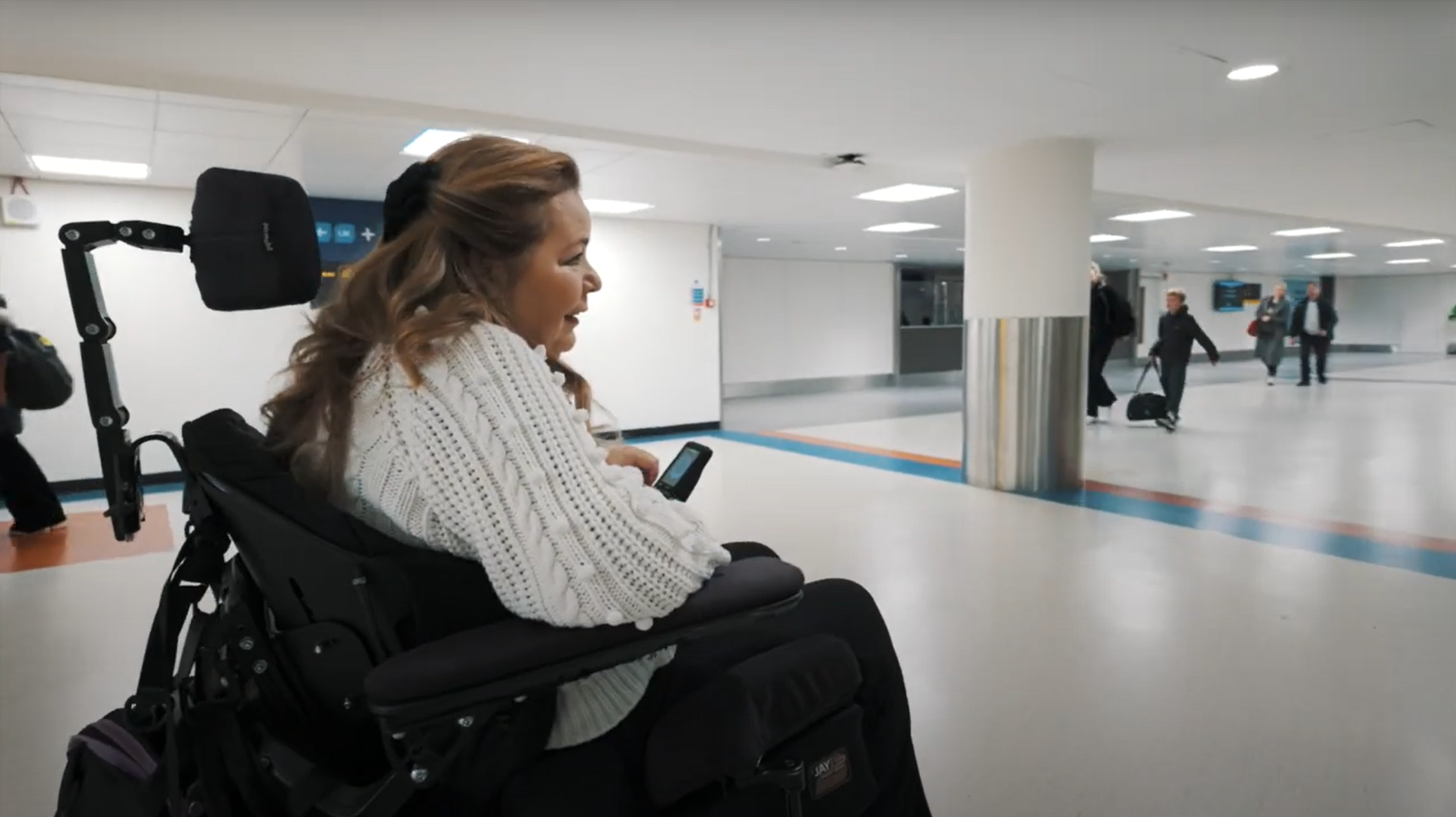
When you arrive at the airport you will find assistance phones located in the carparks and entrances to the terminals to contact the special assistance team. They will come to help you with luggage, guide you to the check-in desks, and help you when you need.
- Think about how large an airport is and that you want to save your energy for when you arrive at your destination. Even if you can walk distances it can be useful to think about getting a buggy or using a wheelchair to cover the large distances in an airport.
- If you use a manual wheelchair, you may find a powered add on may be helpful for getting around the airport to conserve energy levels.
- If you want, you can make your own way to the designated special assistance check in desks within the terminal. There are usually special assistance desks before and after the security check.

Check in
You will be asked a number of questions when you check in. This may include details you have already provided at booking which can seem repetitive, however it is important to confirm the information in case anything has changed.
Questions might include:
- If you need additional assistance for getting to the gate and boarding the plane.
- If you want to take your own wheelchair up to the aircraft.
- The measurements and weight of your wheelchair.
- If you use a powered wheelchair you will be asked about what battery type it uses
For more information see our other resources:
AIR TRAVEL: MANAGING HEALTHPOWERED WHEELCHAIR
Toilet facilities
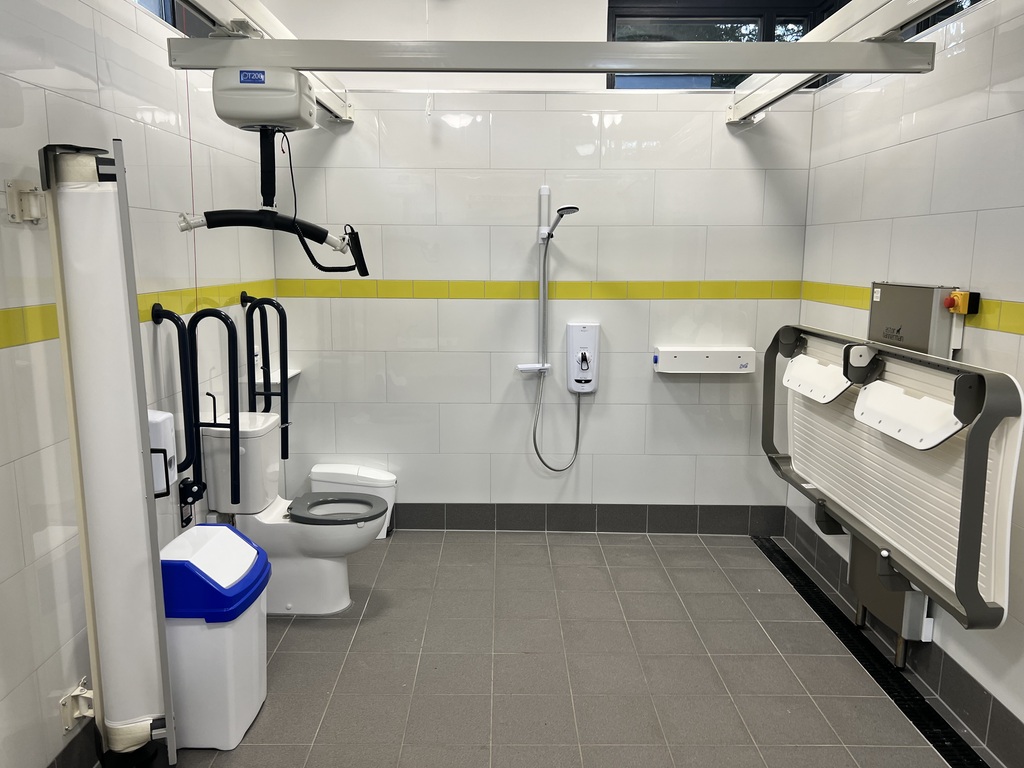
It is a good idea to use the toilets in the airport before you board the plane. There are usually disabled toilets before and after security at all airports. Most airports now have a Changing Places facility. This is a larger accessible toilet which has hoist facilities and a changing table. Please check the airport website for details. There is often only one Changing Places toilet at an airport, so it is useful to check if this is before or after security. Special assistance teams can take you to the facility if you need.
FIND A CHANGING PLACEs toilet
Security
- There will often be an alternative lane for people who need special assistance when going through security.
- If you cannot stand and need to stay in your wheelchair you will be asked to agree to be searched while you are sitting.
- This will be done in a private room.
- This will involve being patted down.
- You may be asked to take off your outer clothing such as jackets and shoes. You should let the security officer know if you are not able to do any part of the search and they should adapt this for you.
- If you have any questions about this, then contact the airport you are flying from to discuss this.
- Your wheelchair and shoes may also be checked for chemicals.
Getting to the gate
- Check the airport website as it will often give information about the distances and time it takes to get around the airport and to get to each gate.
- Remember to leave plenty of time to get to the gate as they can be a long way away.
- Think about using a special assistance buggy to get to the gate if you can only walk short distances.
Boarding the plane
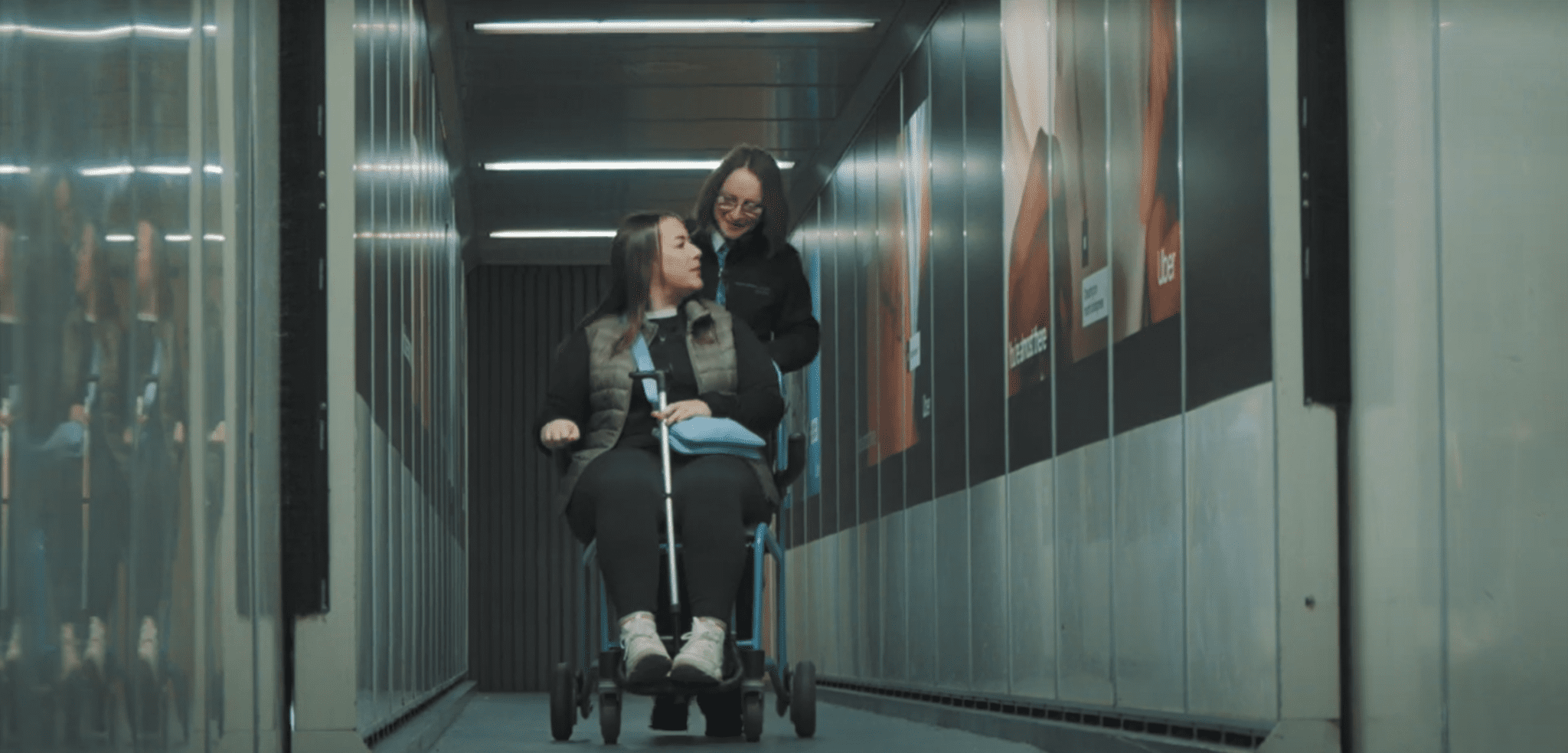
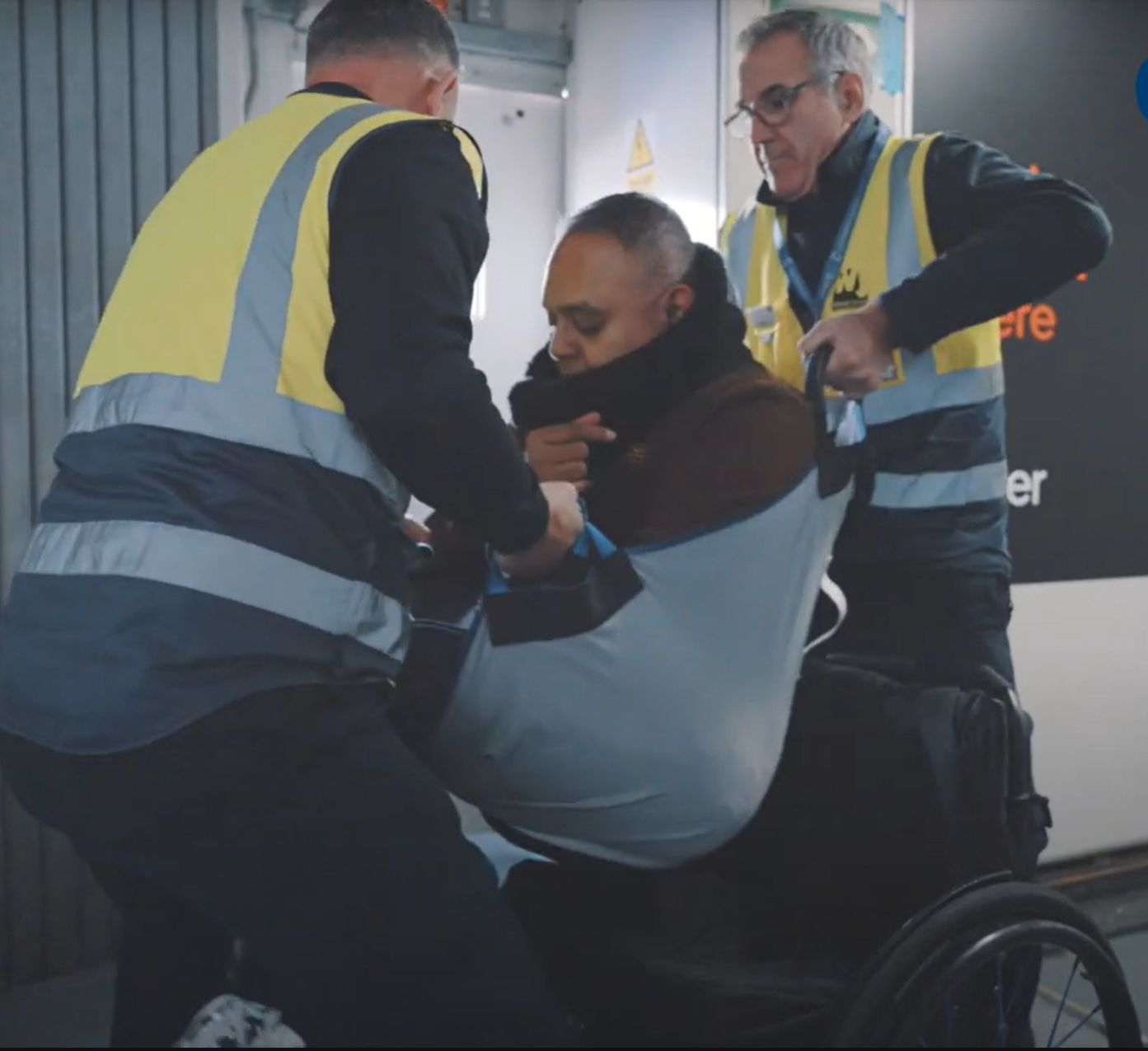
At the boarding gate you will be met by the assistance team. The airline will call for passengers who need assistance to board first. You will be taken to the side of the aircraft by the special assistance team. Aircraft aisles are too narrow for a standard wheelchair. If you are unable to walk to your seat you will need to transfer (move) onto an aisle chair. You can either transfer yourself or the special assistance team will help transfer you. It is possible that equipment will be used for this.
If your aircraft is not on a jetty (a connecting walkway) then you will be taken to the aircraft in an Ambulift. This is a boarding vehicle that lifts a wheelchair user up to the plane door.

Promove sling
A Promove sling is like a hoist sling but has handles which means it can be placed under someone and they can be physically lifted. A minimum of two people should help with this. This may be used to transfer (move) someone from their wheelchair to the aisle chair and then from the aisle chair to the airplane seat.
Eagle Hoist
For those who need more assistance, an Eagle hoist can be used for the transfer. This works in the same way as a normal hoist, but is narrower so it fits down the aisle of a plane.
Cushions
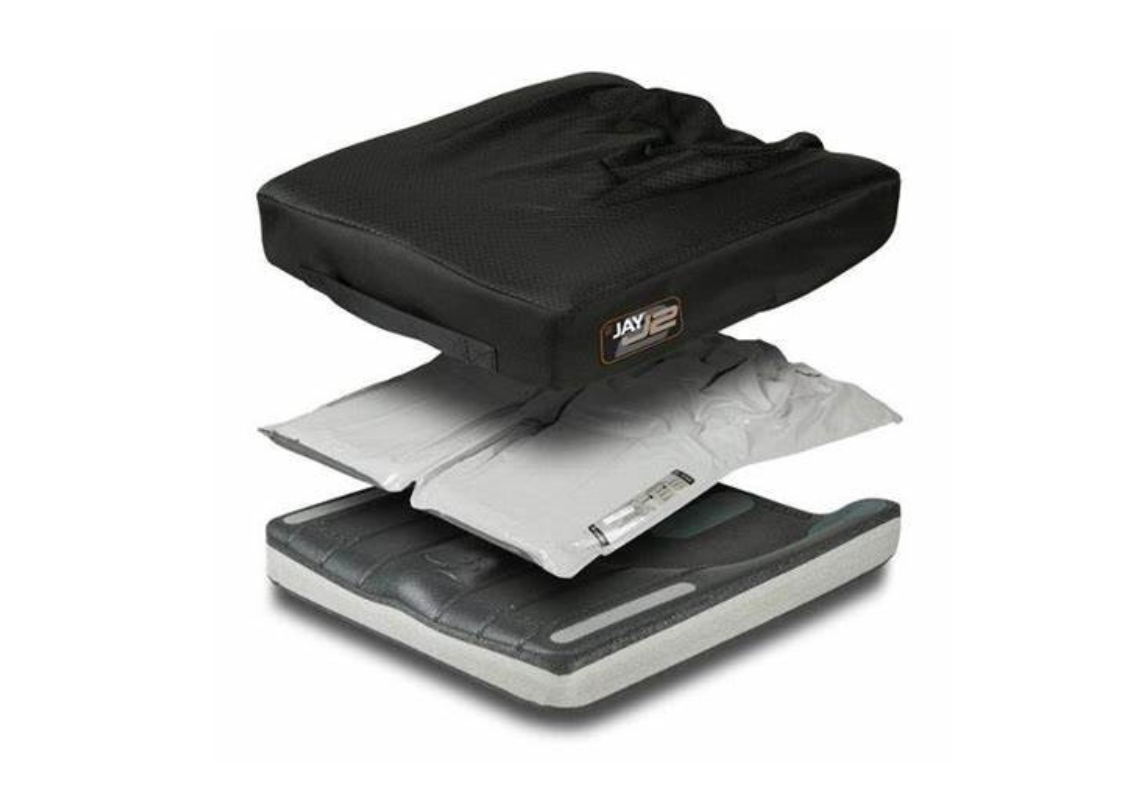
For more information on cushions see our Wheelchair cushion page. It is recommended that you sit on your pressure relieving cushion that you use in your wheelchair to reduce the risk to your skin and provide some extra support.
You might want to think about your balance when sitting on a plane seat. If you are concerned, you can recline your seat (put your seat back) or you may think about using a chest strap for extra support.
Getting off the plane
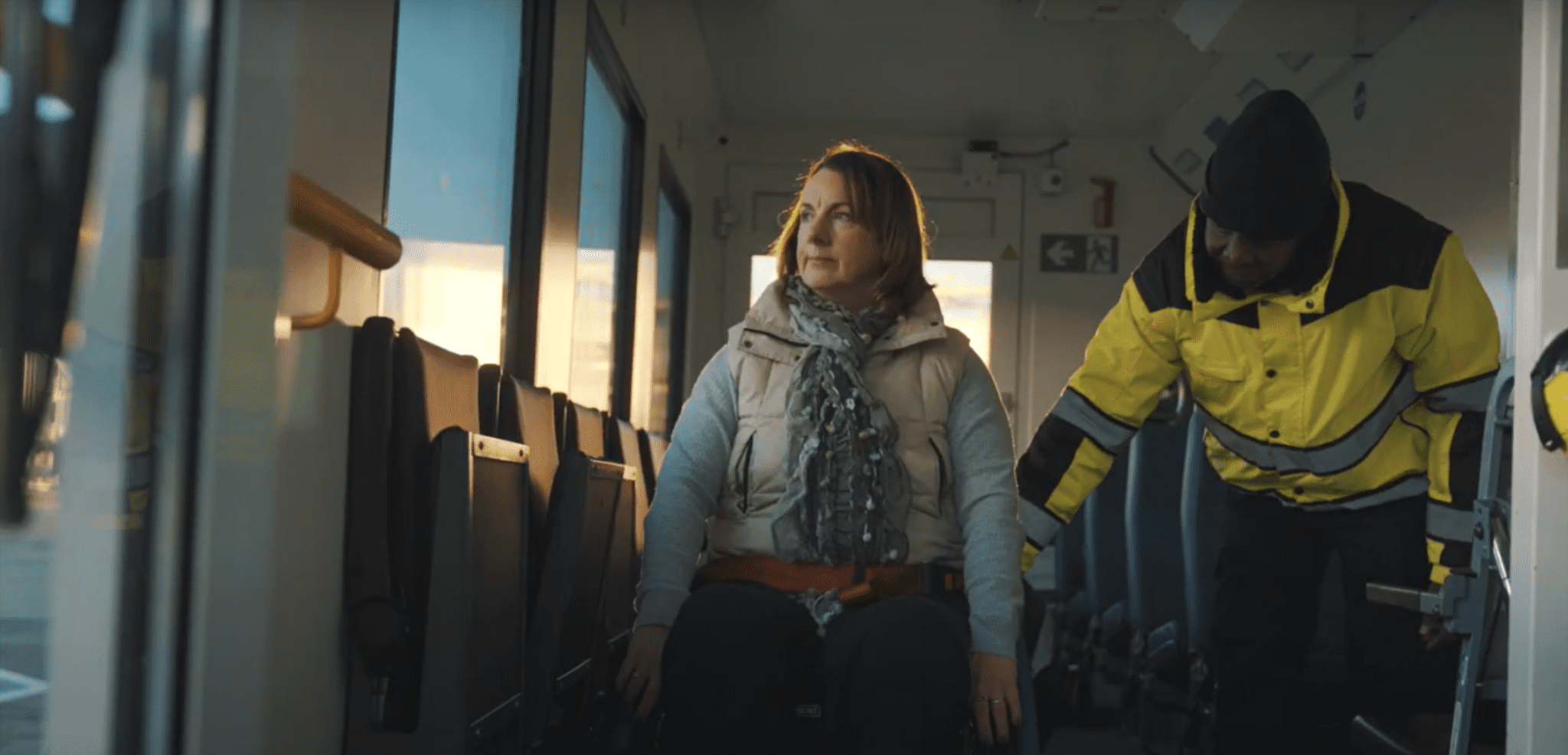
This will be similar to boarding the plane, however you are normally asked to wait until everyone else has got off the aircraft before being helped off the plane. Your wheelchair will be waiting for you at the jetty or aircraft side and you will be helped from the aisle chair back into your wheelchair. There are a few airports that are not able to bring your wheelchair to you at the jetty or aircraft side, and you will be assisted in an airport wheelchair to the baggage hall to collect your wheelchair and baggage. The special assistance team can help you until you leave the airport.

Download the information sheet
Information sheets
Air Travel: Preparation
This page contains information for people with spinal cord injury and cauda equina syndrome who want to travel by air. Good planning and preparation is important to make your journey as smooth as possible. Read More...
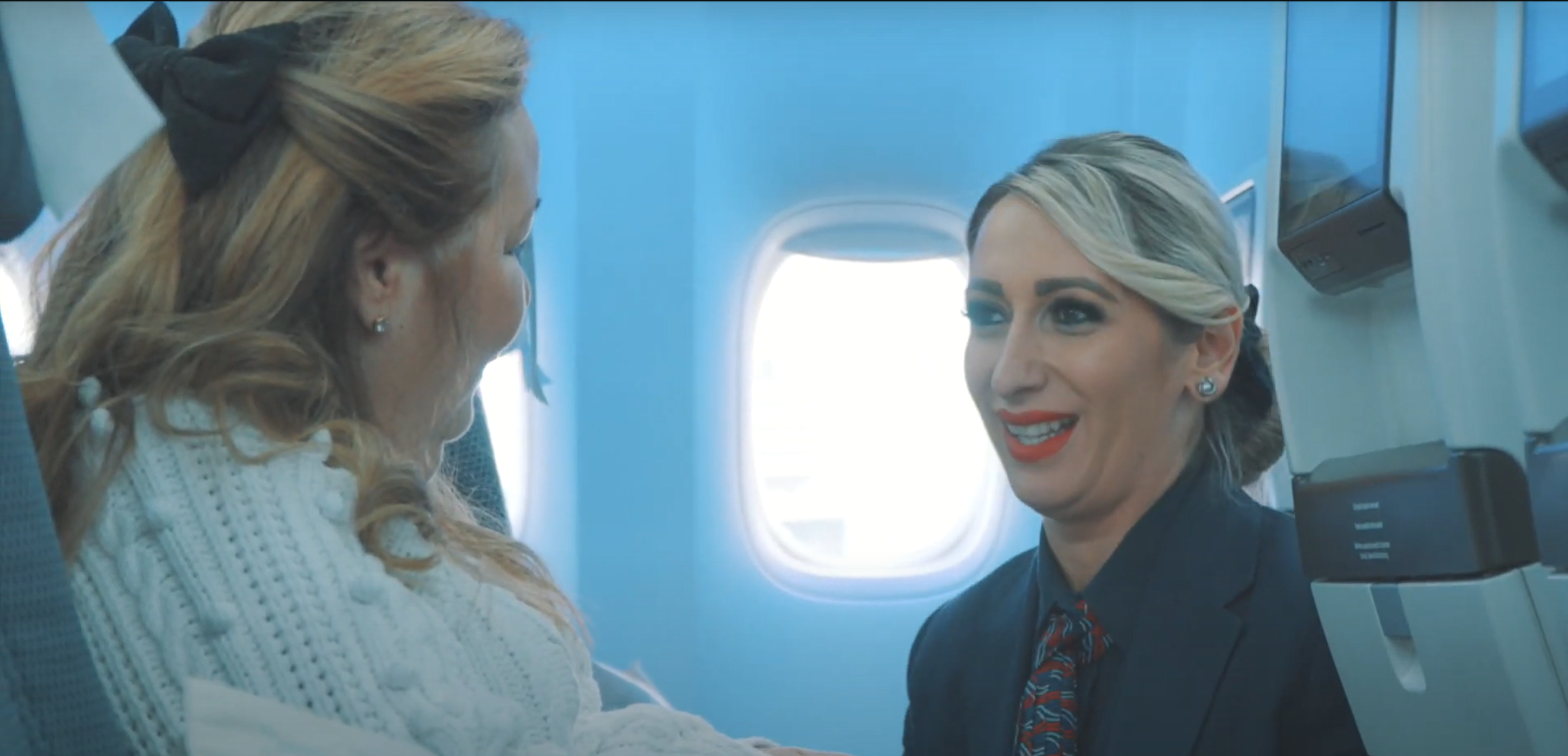
Information sheets
Air Travel: Managing your health pre and in flight
Once you have booked your flight, take some time to think about your health care needs and how you might need to prepare for these when flying Read More...
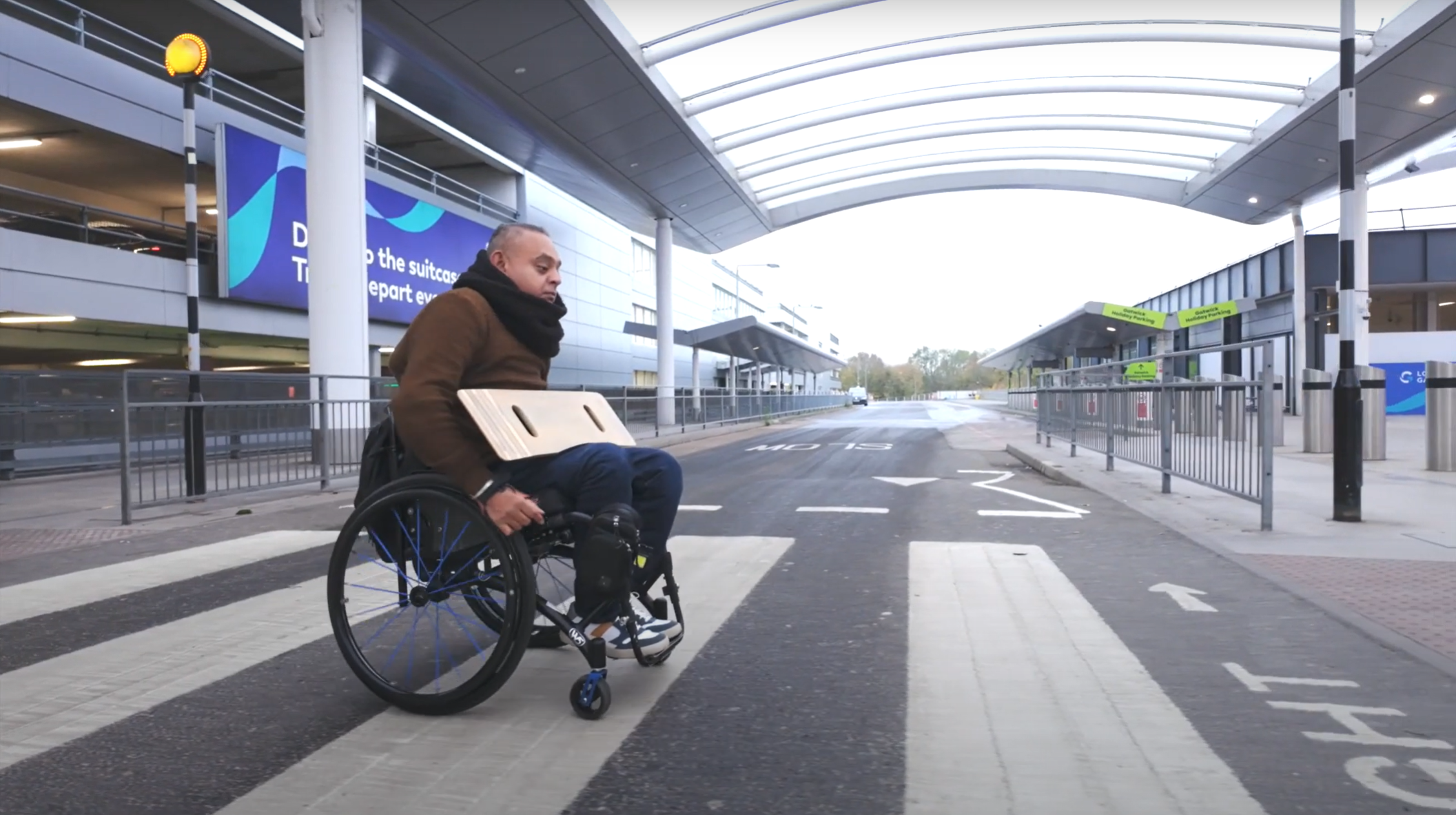
Information sheets
Air Travel: Managing your mobility equipment
This page contains information on air travel and your mobility equipment whilst flying. It explains how your equipment is handled at an airport and what you can do to reduce the risk of damage or. Read More...
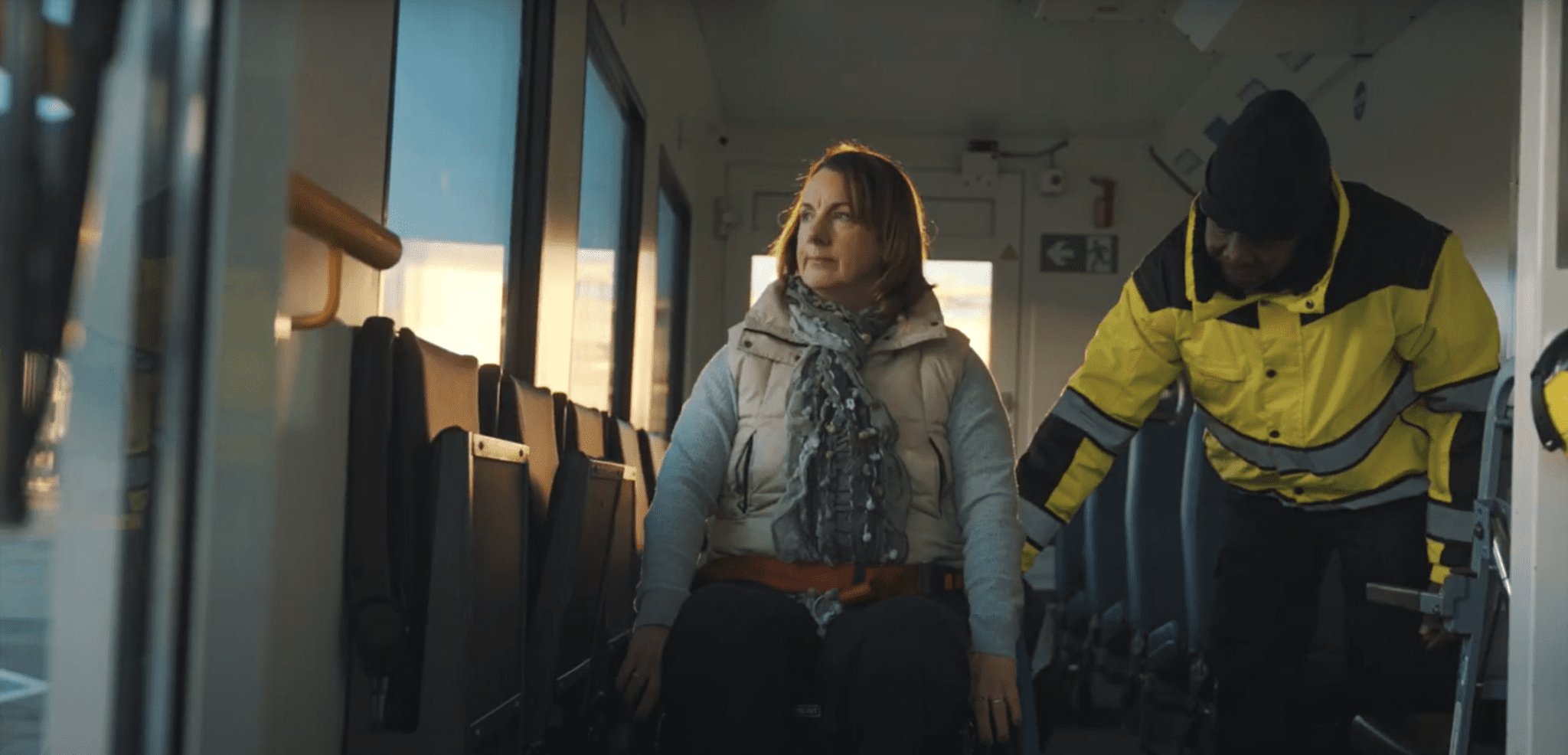
Videos
Air travel – arrival, check in, security and assistance
In this video we join our SIA members as they arrive, check in, visit the assistance desk, and go through security. Read More...
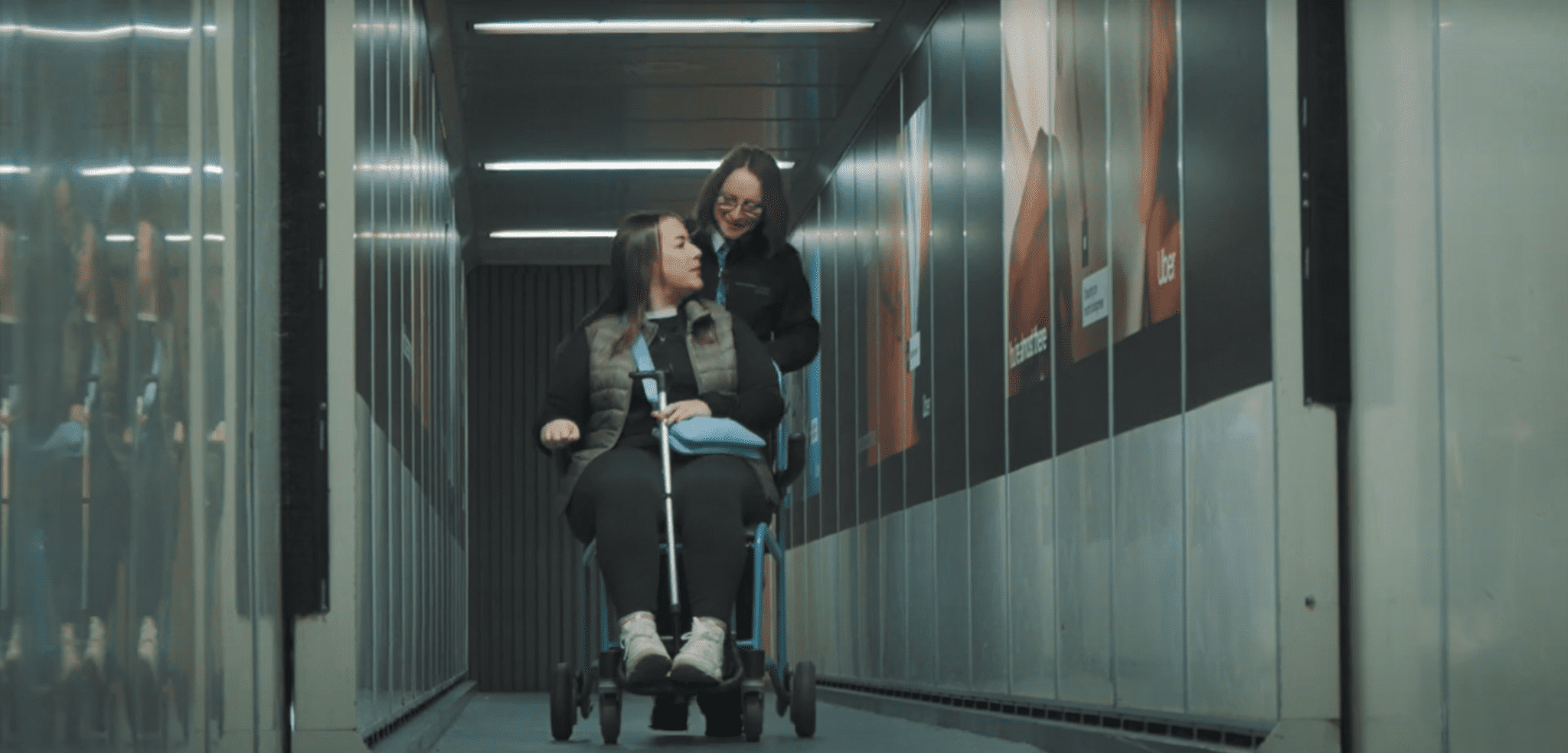
Videos
Air travel – assistance and boarding
In this video we join our SIA members as they they meet the airport assistance team and board the plane. Read More...