Our information sheets ‘Understanding car travel’ and ‘Getting back to driving’ cover the practical issues of returning to driving and driving assessments.
UNDERSTANDING CAR TRAVEL GETTING BACK TO DRIVING
Once you’ve addressed these, it’s a good time t think about getting a car and any adaptations you might need to drive it. This information aims to talk you through this process including:
- purchasing a vehicle privately
- renting/leasing a vehicle
The Motability Scheme
You can use your mobility benefits to lease a brand-new vehicle through the Motability scheme, whether you’re intending to drive or be a passenger. The scheme also includes insurance, breakdown cover, servicing and tyres. The choice of vehicles is limited; however, there is an option to get a more expensive vehicle if you pay an additional advanced payment.

On the Motability website, you can easily check whether you qualify for the scheme, find out how it works, see the types of vehicles available and the adaptions offered.
MOTABILITY SCHEME
You can also contact Motability’s customer service phone line for in-person support on 0300 456 4566.
** Please be aware that you cannot qualify for the Motability scheme if you are applying for the first time and are aged over 65.
If you require someone to drive your vehicle for you, such as a carer or family member, then check with the Motability scheme that they would be able to. Motability will ask the age of the driver (there are some age restrictions) and whether they’ve had certain driving convictions, disqualifications or endorsements in the last five years.
We would recommend that you have a thorough driving assessment prior to contacting the Motability scheme, as this will give you a better idea of your needs and what vehicle and adaptations you may require.
If you can stand or walk for any distance, then you may not qualify for the Motability scheme. It’s worth contacting Motability to check but also consider your other options, which we’ve laid out in the second half of this information sheet. Remember, if your needs change then you’re entitled to a review and may then meet the criteria for the Motability scheme.
The Motability scheme can not only provide an adapted car but can also address ways to get in and out of the car and stow your wheelchair to increase your independence.
Wheelchair accessible vehicles (WAV) are available via the Motability scheme if you need to remain seated in your wheelchair during travel, whether as a driver or passenger. There are many different models and configurations available to meet your individual needs.
Private purchase of a vehicle
It’s sometimes possible to adapt your existing vehicle, or you might choose to privately purchase a vehicle which can then be adapted, if needed.

Before you think about adaptations or purchasing a new vehicle, we recommend you have a driving assessment. This will help you understand your needs, enable you to try out any adaptations/equipment, or decide if you need a wheelchair accessible vehicle or standard vehicle. The assessment can also advise on installation services if you’re planning to get adaptations carried out privately.
- See our information sheet on driving assessments for more details
If you’re thinking about purchasing a vehicle privately, seeing and understanding what a vehicle is like and thinking about the proportions of your wheelchair or other mobility aid is essential. Here are some other points you need to consider.
- To adapt your current vehicle, it normally needs to have an automatic gear box.
- You also need to check that the vehicle you have can be adapted as not all can, even if they meet the automatic gear box criterion.
- You need to inform your insurer about any adaptations that are made to ensure you’re covered.
- VAT relief may be available on adapted vehicles.
- There are two types of vehicle conversion/adaptions:
- adapting what’s there already, e.g. retrofit adaptions such as hand controls; these are an addition rather than a replacement
- converting the vehicle to add something new, e.g. carrying out conversions to allow for ramp access
It’s understandable that you might want to return to driving as quickly as possible, but do take time to work out what options and adaptations you need – as it can be costly to make more changes later. Also, your mobility and abilities may change, so try and future-proof your adaptations as much as you can. It can be helpful to talk to other people with spinal cord injury about the vehicle adaptations they have and why. You could also get advice and ideas from an occupational therapist.
Below are some useful links to help you with this process:



Second-hand vehicles
There is a market for second-hand adapted vehicles and wheelchair accessible vehicles (WAV). This can be a cheaper option, especially if you don’t qualify for the Motability scheme or you require a WAV.
It’s important that you fully understand your needs and what you need from a vehicle before looking at the second-hand market. A thorough driving assessment through your local driving centre can identify your needs, which will help narrow your search for a second-hand vehicle. Make sure you have the opportunity to try out the vehicle before purchasing.
- See our information sheet on driving assessments for more details
Renting or leasing a vehicle
You may decide that renting or leasing a vehicle is the best option for you. This could be a good solution if you aren’t eligible for the Motability scheme, want to trial having a vehicle or only need a vehicle for a short period of time.
Many companies offer short-term hire, from a single day, to long-term hire of several months. Remember to check whether insurance and breakdown cover is included and who can drive your vehicle if this won’t be you.
Below are some companies that offer this service:
Car Adaptations
There are many adaptations that can be made to a vehicle, ranging from very simple to complex/multiple adaptations. They generally fall into three categories; adaptions to help you:
- get into /out of your vehicle
- store / secure your equipment
Adaptations to help you drive
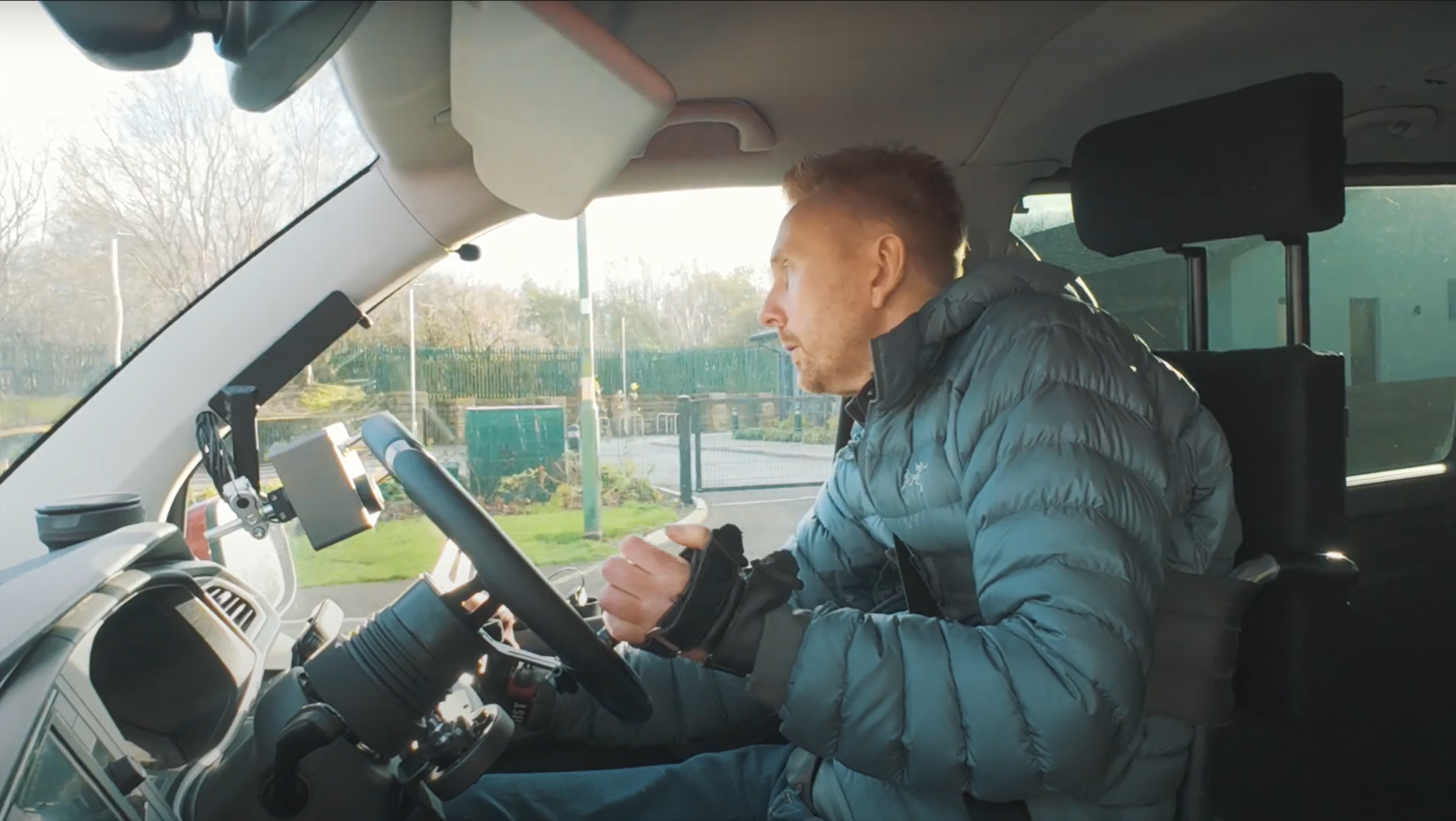
There are many adaptations that can be made to your vehicle to help you to drive, ranging from simple to complex. We recommend you have a driving assessment so your needs can be assessed, and you have the opportunity to try out adaptations. Some examples of adaptations to help driving include:
Driving controls
- hand controls (brake/accelerator via hand lever)
- steering aids (steering ball, joystick, or tetra grip)
- left-foot accelerator (if you cannot use your right foot)
Secondary controls (Lights, indicators, wipers etc.)
- voice-activated controls (in some advanced systems)
The Motability website has a wealth of information about your options and some useful videos showing them.
Adaptations to help you get into / out of your vehicle
You need to find the easiest way for you to get into and out of your vehicle so you can conserve your energy and effort for getting out and about. There are many adaptations that can be added such as hoists, roof boxes, swivel seats, side steps and transfer plates. Check out the Motability website for further information and videos demonstrating these adaptations. Your physiotherapist and occupational therapist can also help discuss and trial any equipment options you might need.
Adaptations to help you store / secure your equipment
It’s also important to think about the equipment you’ll need to take on your journey and how you’ll store it. This is important, not only for your independence, but also your safety and comfort.
Think about whether you might need to take personal care equipment such as a mobile hoist or a folding shower chair when you go on holiday. This might affect your choice of vehicle and its storage capacity.
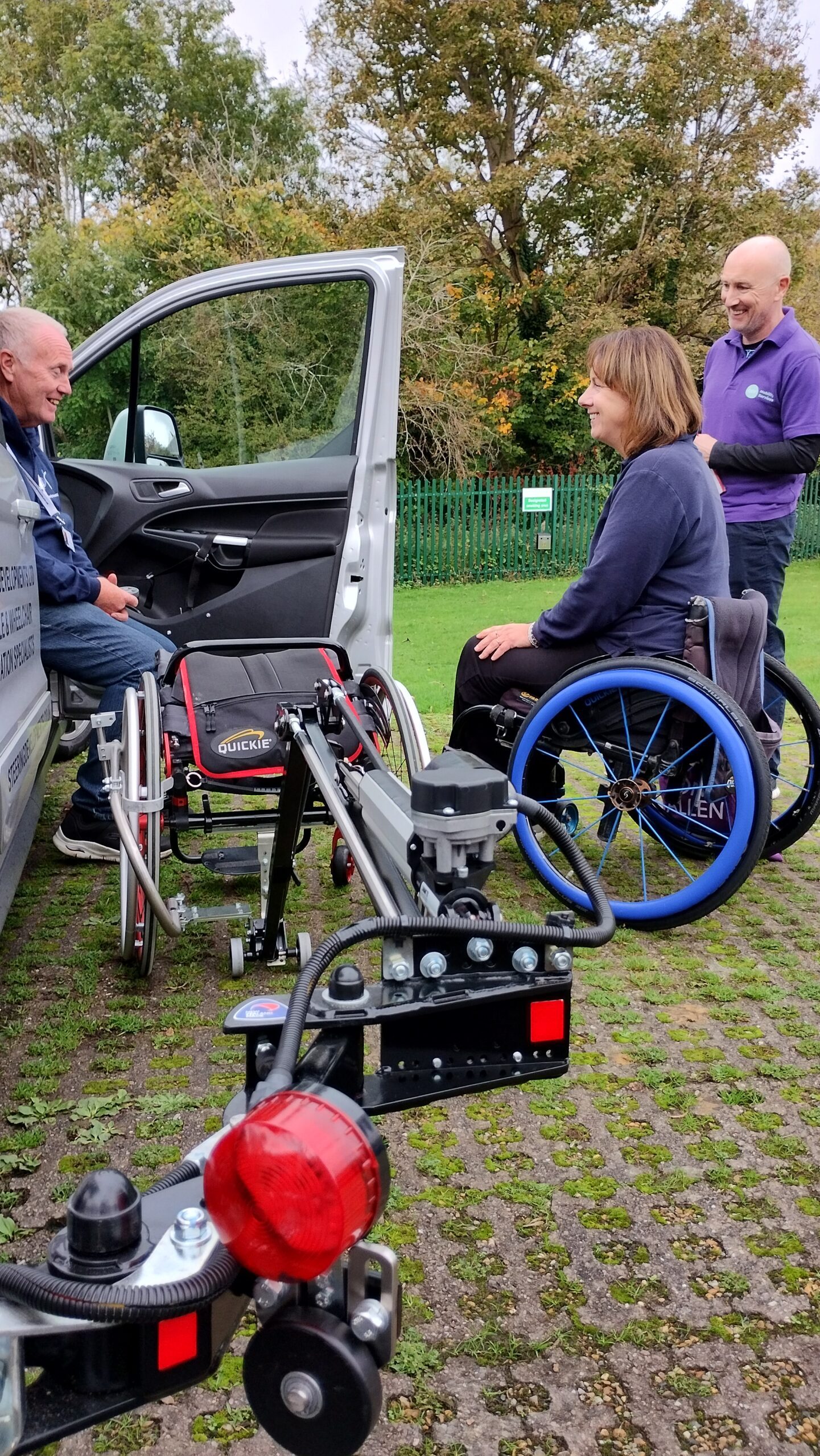
For larger equipment, such as wheelchairs or larger walking aids, there are options such as roof-top stowage and car-boot hoists. We would recommend a driving assessment to work out what your needs are, which can in turn help you work out what adaptations you might need. If you’re travelling in a wheelchair in your vehicle, the wheelchair needs to be secured and meet regulations. It’s useful to discuss this with your wheelchair provider / NHS wheelchair services as well.
Your physiotherapist and occupational therapist can also help discuss and trial any equipment options you might need.
Adaptations to help you store equipment | Motability Scheme
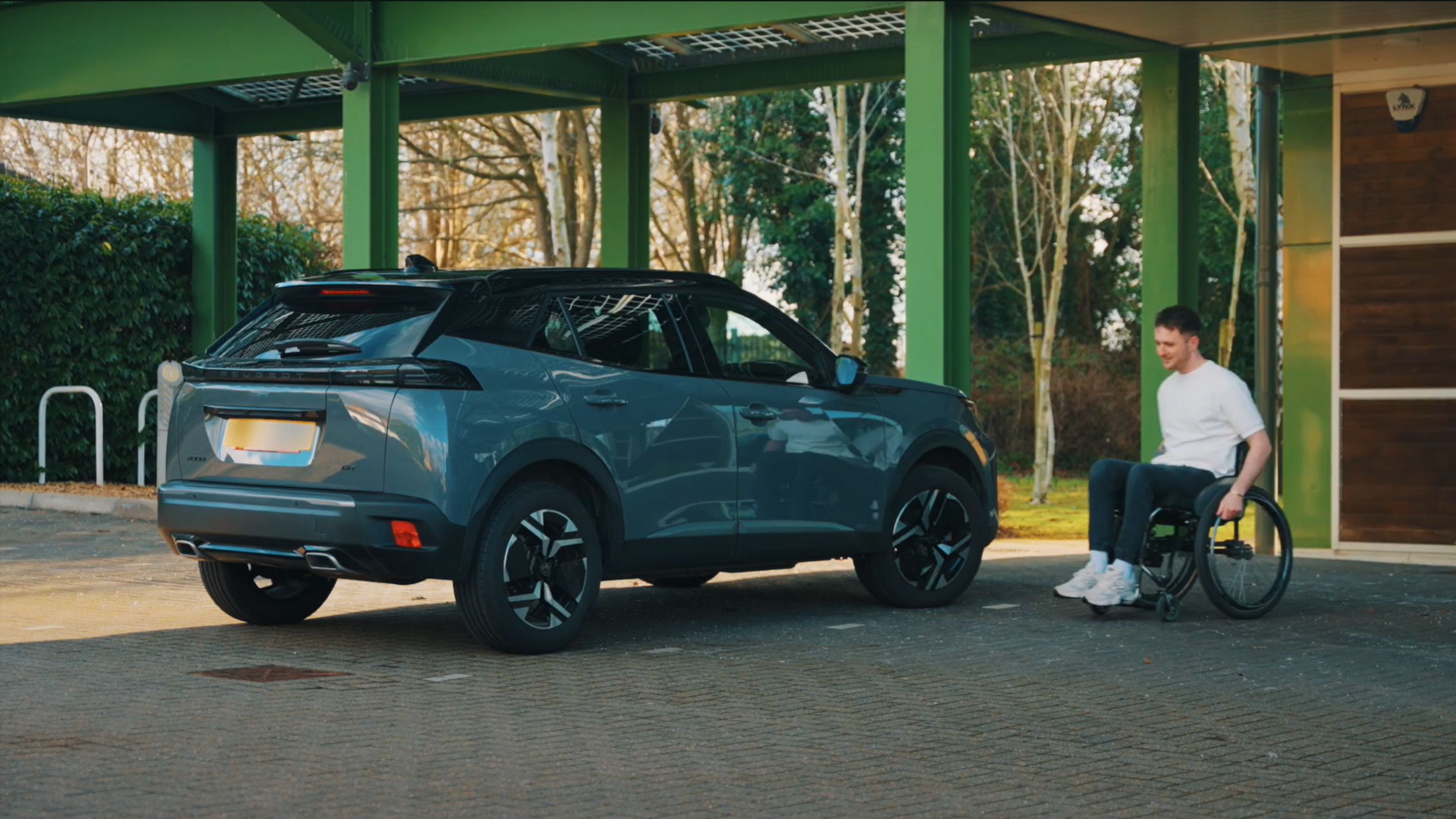
You may only need to make small adaptations to the car such as changing to an automatic car.
A driving assessment can still be useful to give information about the equipment and adaptations which can help to make driving easier and reduce your pain and fatigue levels. If you use any mobility equipment, then think about how you can store this.
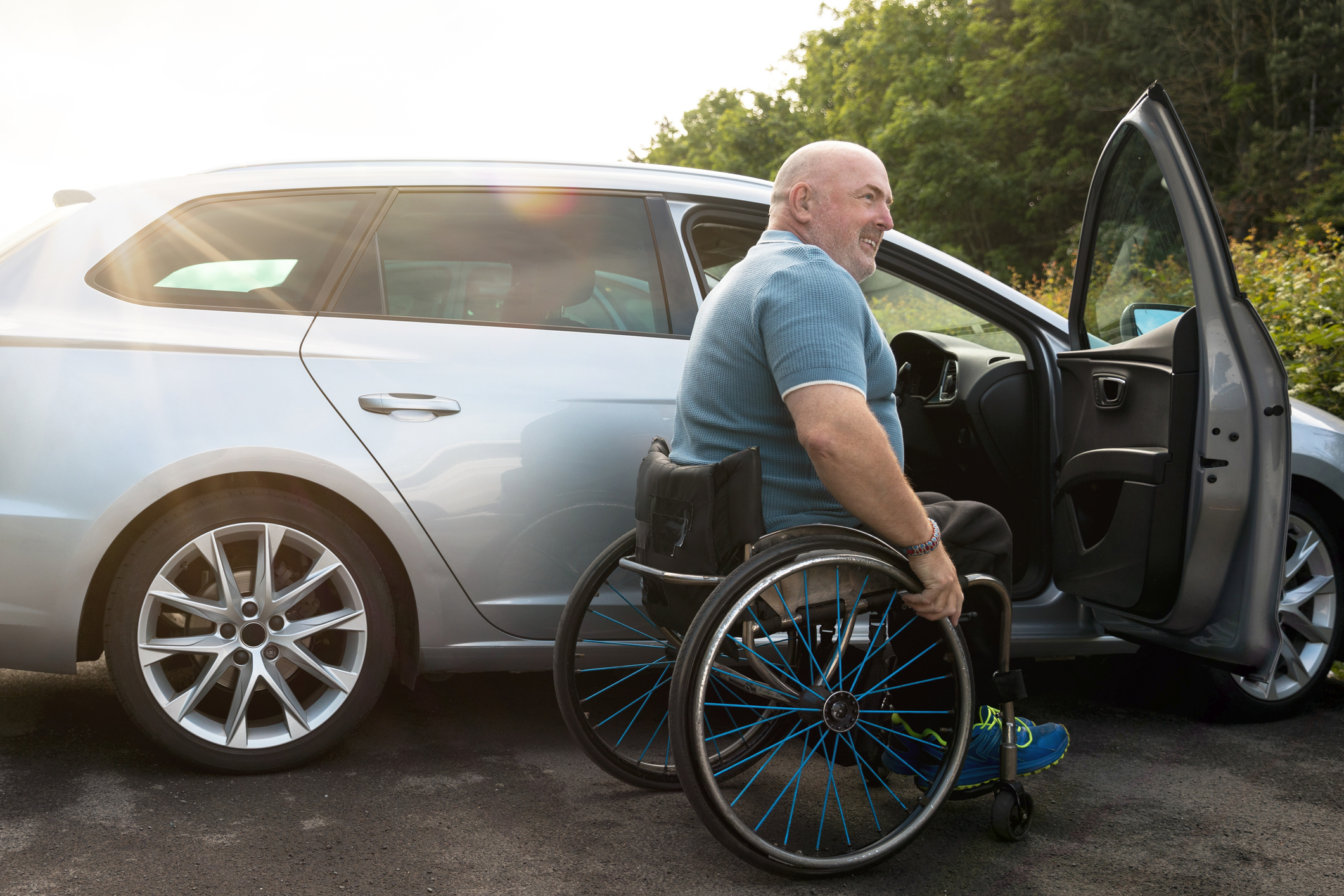
Driving is possible as a manual wheelchair user with the use of adaptations such as hand controls and an automatic car. Think about how you’ll transfer into and out of the vehicle and store your wheelchair.
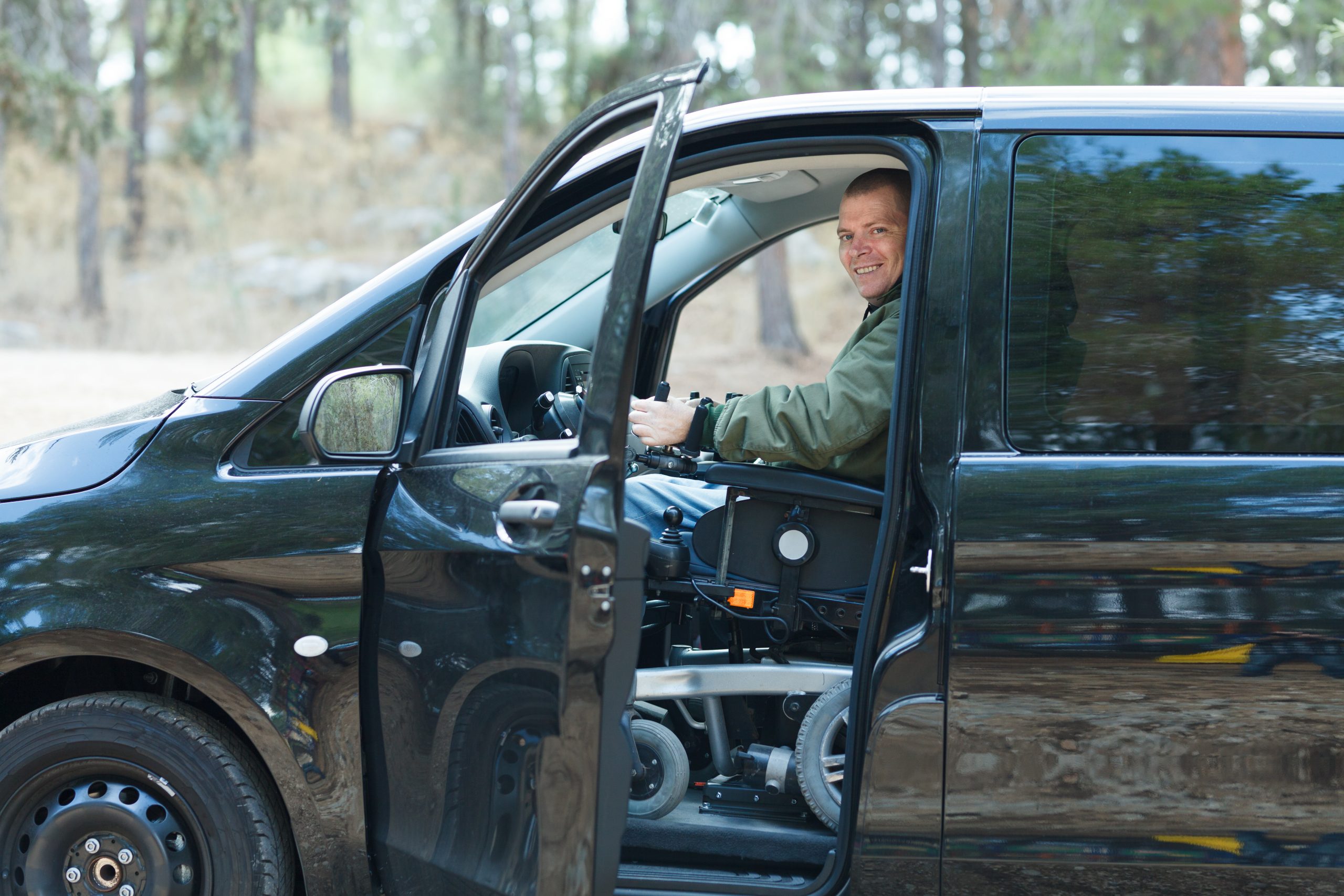
The most likely options for a powered wheelchair user will be driving from your wheelchair in a WAV or being driven as a passenger whilst seated in your wheelchair. If you’re travelling while seated in your wheelchair, you’ll need to have a head restraint and tie-down points for your wheelchair to make sure you’re safe.
Think about your balance when travelling, especially around corners or on bumpy roads when conditions could cause you to spasm. You may need to use the tilt facility of your wheelchair or a chest strap to maintain your sitting position. You’re also still required by law to wear a seatbelt.
If you require care assistance, you’ll need to consider space to accommodate carers within the vehicle. Your seated height needs to be considered when choosing your vehicle. Take a note of your seated height when in your wheelchair as this will inform which vehicle you can access; this is a good tip for taxi travel too!
To make sure you’ll be safe travelling in your vehicle while seated in your wheelchair, you can discuss this with your wheelchair provider or NHS wheelchair services.
Remember, you must secure your wheelchair within the vehicle during transit, whether or not you’re seated in it.

Car Travel - Vehicle options and adaptions information sheet
Information sheets
Car Travel: On the road
This page contains information for people with spinal cord injury (SCI) or cauda equina syndrome (CES) who want to get back in to driving. So, you’ve had your driving assessment, sorted out a vehicle and. Read More...

Information sheets
Getting back to driving after spinal cord injury (manual wheelchair)
This page contains information about getting back to driving after spinal cord injury as a manual wheelchair user, from learning to drive, driving assessments and transferring. Read More...