Travel insurance is strongly recommended for your safety and financial peace of mind when travelling away from home. We’d go so far as to say it’s essential! In this information sheet, we list and explain the reasons why.
Travel insurance may not be a legal requirement for travel but can be a contractual requirement for some tour operators, cruise or holiday companies. Some countries also require medical cover before issuing a visa, for example, the Schengen Area.
One of the main reasons we say it’s essential is because without it, you personally take responsibility for:
- medical bills abroad (which can be extremely high)
- emergency treatment and hospital stays
- repatriation/medical evacuation back to the UK
- mobility aid or wheelchair damage
For people with pre-existing medical conditions such as spinal cord injury, it’s especially important for the following reasons:
- Medical care abroad related to your condition may not be covered by reciprocal agreements*.
- Replacement or repair of equipment can be extremely expensive.
- Unexpected complications can cost thousands of pounds.
*Read more about reciprocal agreements at www.gov.uk/guidance/uk-reciprocal-healthcare-agreements-with-non-eu-countries

What to consider when looking for travel insurance?
We’ve put together a check list with some detailed points. You can also contact the provider and request a call to discuss your needs and type of cover, if you find this easer.
Medical cover
We recommend a policy that offers cover of up to at least £5 million within Europe and £10 million outside Europe.
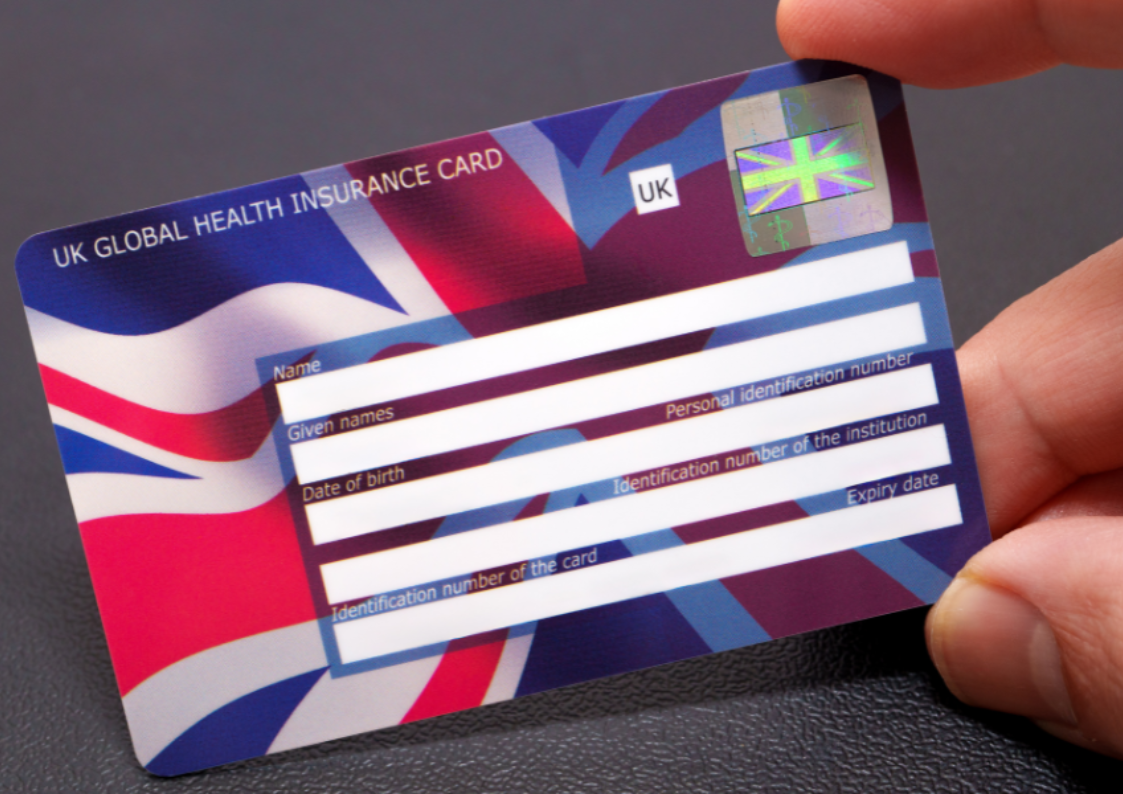
Look for a policy that covers hospital care, treatment, and emergency repatriation. Even in Europe, where essential care is covered by a GHIC or EHIC card, additional needs, such as repatriation, treatment in private hospitals, or medical transport will not be covered by GHIC / EHIC.
Pre-existing condition cover
You must declare your condition fully and answer medical screening questions accurately. Spinal cord injury is classed as a pre-existing condition. The insurer will need to know:
- your level and completeness of injury
- whether you use a wheelchair
- your bladder/bowel management method
- your skin integrity/history of pressure injuries
- whether you’re catheterised or use stomas
- any secondary conditions (UTIs, spasticity, pain, autonomic dysreflexia, etc.)
This isn’t law — but if you don’t declare your condition, the insurer can legally refuse a claim.
Mobility equipment cover
When you’re researching policies, always make sure the following are covered:
- wheelchairs (manual or power)
- hoists or slings you travel with
- airline damage/ mishandling
Cancellation/curtailment
Check that the policy will cover your costs should you need to cancel or cut short your trip due to illness or medical advice; for example, if complications arise (e.g. UTI, pressure ulcer, spasms, pain flare-up).
Personal liability
It’s worth having this aspect included in your policy, in case you accidentally injure someone or damage property.
Travel disruption and loss of medical supplies
It’s best to make sure your policy covers the cost of replacing:
- dressings – these are expensive to replace abroad.
Apply for a EHIC / GHIC card
For UK residents, the EHIC (European Health Insurance Card) is being phased out and replaced by the UK Global Health Insurance Card (GHIC), although some people still hold valid EHICs until their expiry date.
It’s quick, easy and free to apply for your GHIC
APPLY HERE
What does the EHIC / GHIC card cover?
GHIC/EHIC covers the cost of:
- treatment in public/state hospitals and clinics;
- treatment for pre-existing conditions (including spinal cord injury), as long as it’s medically necessary during your stay;
- routine maternity care and dialysis if pre-arranged.
GHIC/EHIC does NOT cover:
- repatriation back to the UK (could cost £5,000–£100,000 depending on location and medical escort);
- private hospitals (many European hospitals are private — GHIC may not be accepted);
- air ambulance / medical transport;
- mobility equipment damage or replacement;
- lost or stolen equipment (e.g. wheelchair, cushions);
- cancellation of your trip due to illness or complications;
- any accommodation/travel costs for a carer.
Even for Europe, travel insurance is absolutely essential for people with spinal cord injury. GHIC is a helpful add-on, but not a substitute for proper cover.
Travelling with employed care support staff
Carer(s) need their own travel insurance
Paid support workers must have their own separate travel policy because:
- your policy won’t cover them;
- their employer’s liability cover normally stops outside the UK.
Your carer or PA will need cover for:
Some, but not all, insurers offer ‘carer add-ons’ to the traveller’s policy.
Your travel insurance should cover the cost if:
- your carer has to return home with you after a medical emergency;
- you need an additional carer to fly out to help;
- you need to extend your stay because you’re unwell.
This is worth checking in the policy wording.
Carer as a‘declared companion’and not stated as carer
Some policies will only pay for:
- adjusted return journey for your registered travelling companion — so the carer’s name should be on your policy.
Employer responsibilities (if the carer is a PA under a care package orforPAs hired privately)
If they are employed by you (direct payment, personal assistant arrangement) or through an agency:
- Check that public liability insurance covers overseas work.
- Ensure their employment contract allows for overseas travel.
- Check if you must cover their travel, accommodation, and meals.
- Clarify who pays for delays or extended stays.
Medical and legal responsibilities abroad
Carers should be aware of:
- differences in manual handling regulations
- local emergency contact numbers
- availability of accessible facilities
Carers also need to consider whether your skin care routine and bowel and bladder management can be followed safely.
It’s useful for carers to carry with them:
- a summary of your medical needs
- a list of emergency contacts
- your daily routine and care plan
- manual handling instructions
- a letter confirming your medical supplies/equipment
Final thoughts:
- Make sure you’ve made an SIA essential care plan; it can be helpful when you’re arranging insurance, and when you’re travelling abroad.
- Keep your emergency medical card with you, especially if you could be at risk of autonomic dysreflexia.
- Ask other people for advice and recommendations, e.g. your SIA support network coordinator and your local SIA support group
get support

Travel Insurance Packed Up Quick Checklist
Download the information sheet

Information sheets
Adventure Travel
Adventure is different for everyone. It may not be an extreme activity, it may simply be altering your usual routines and exploring something new. This could involve pushing your boundaries and testing your limits about. Read More...
Podcasts
Access All Areas Podcast (Episode 5 – Looking after yourself and your equipment)
In this episode aims to explore the possible challenges and solutions in regard to looking after your health and personal equipment when travelling far and wide. Read More...

Information sheets
Air Travel: Preparation
This page contains information for people with spinal cord injury and cauda equina syndrome who want to travel by air. Good planning and preparation is important to make your journey as smooth as possible. Read More...