Blog
The hardest session is the first one by Cam Treble
Getting back to sport after injury or disability: the real barriers, and how to beat them.
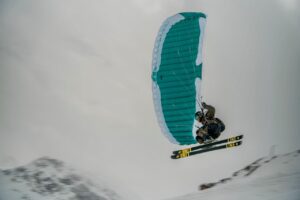
I spent my life leading expeditions, flying paragliders off mountains, freediving in tropical seas and skiing all over the world. On 3 July 2025, a paragliding accident gave me a spinal cord injury, and overnight the thing that defined me looked like it had gone for good.
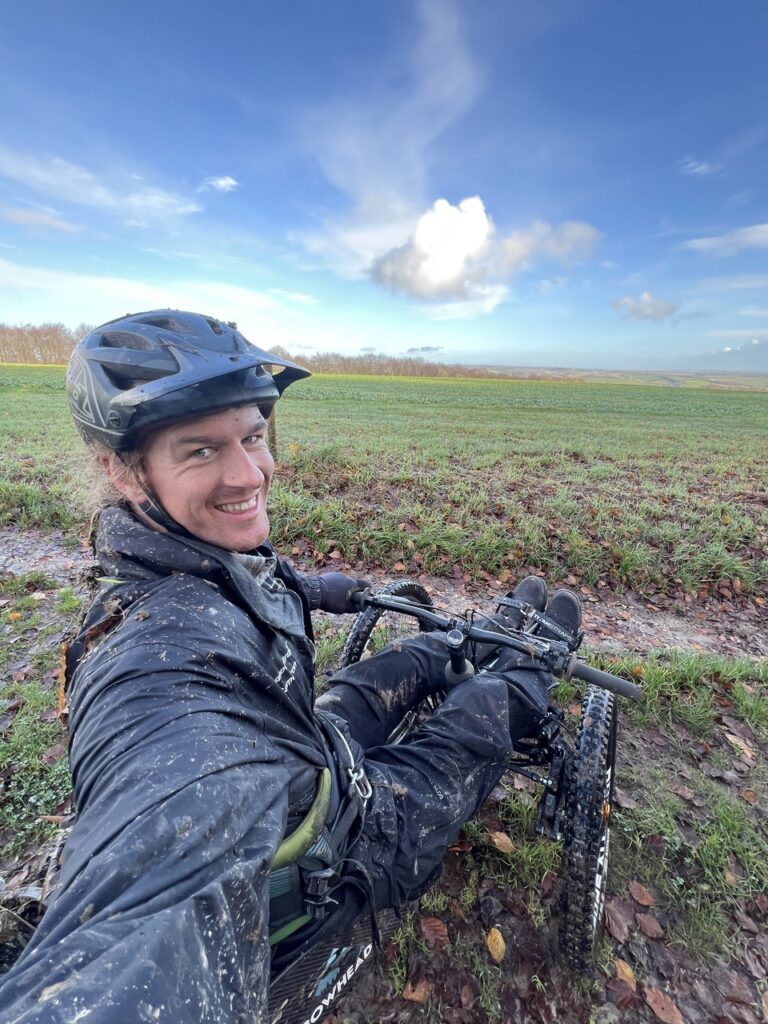
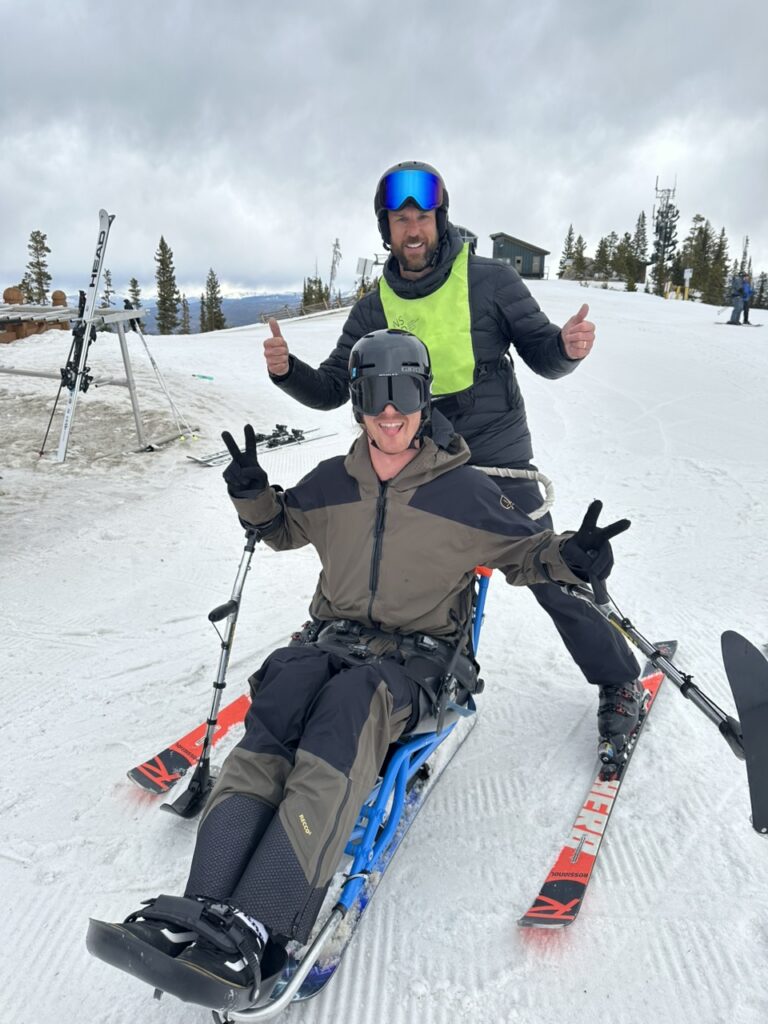
Fast forward to now. I’m training with British Biathlon, I get out mountain biking a few times a week and surfing with the Wave Project, placing second at GB nationals. I’m not saying that to show off: I just know that if you’d have told me that a year ago, I would never have believed you.
So here’s the truth. The road back is real, but it’s not smooth. These are the walls I hit, and how I got over, under or round them.
- The ghost of the old you.
This is the big one, and nobody warns you about it. If sport was who you were, going back can feel like visiting the house you grew up in after someone else has moved in. Everything’s familiar yet nothing’s quite yours.
The fix: stop racing the old you. You’ll lose every time, because they had different legs, different balance and a different body. Race last week’s you instead. Adaptive sport isn’t a watered-down version of what you did before. It’s a new sport with its own skills, and being a beginner again is a weirdly brilliant feeling once you let yourself embrace that.
- “Where do I even start?”
What can I do? Who runs it? Is it safe for my level of injury? When the questions pile up, doing nothing feels like the easiest answer.
The fix: you don’t need a plan, you need one phone call. SIA, your rehab team, your physio and charities like the Wave Project know exactly what’s out there. Pick the thing that makes you grin, not the thing you think you should do. Book a taster. Commit to nothing except turning up once.
- The fear of breaking again.
After an injury your body can feel like a stranger, and a fragile one. Pressure sores, shoulders, falls, autonomic dysreflexia: the worries are real, and they’re sensible.
The fix: turn fear into knowledge. Ask your medical team what’s safe for you, learn your own warning signs, then build up slowly. Good adaptive coaches know spinal injury inside out and will plan around it. Confidence comes from understanding your body, not ignoring it.
- The price tag
Sport chairs, handbikes, adapted kit: the prices can make your eyes water before you’ve even started.
The fix: don’t buy anything yet. Loads of clubs and charities lend equipment so you can try before you commit. When you’re hooked (and you might be), look into grants from sports charities and national governing bodies.
- Just getting out the door
Transport, parking, changing rooms, and the sheer energy it takes on a bad day. Sometimes the hardest bit of the session is everything before it.
The fix: ring ahead and ask the questions that matter to you, not a generic “are you accessible?”. Find a training buddy so it’s a shared plan, not a solo mission. And on the days it just doesn’t happen, let it go. Tomorrow counts too.
- Being the only one in the room
Rolling into a session where you’re the only disabled person there can bring up many feelings.
The fix: find your people. Adaptive sessions, peer mentors and online communities are full of people who get it without you having to explain. They often end up being the reason you keep coming back.
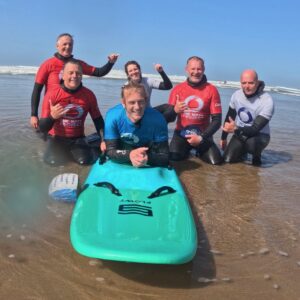
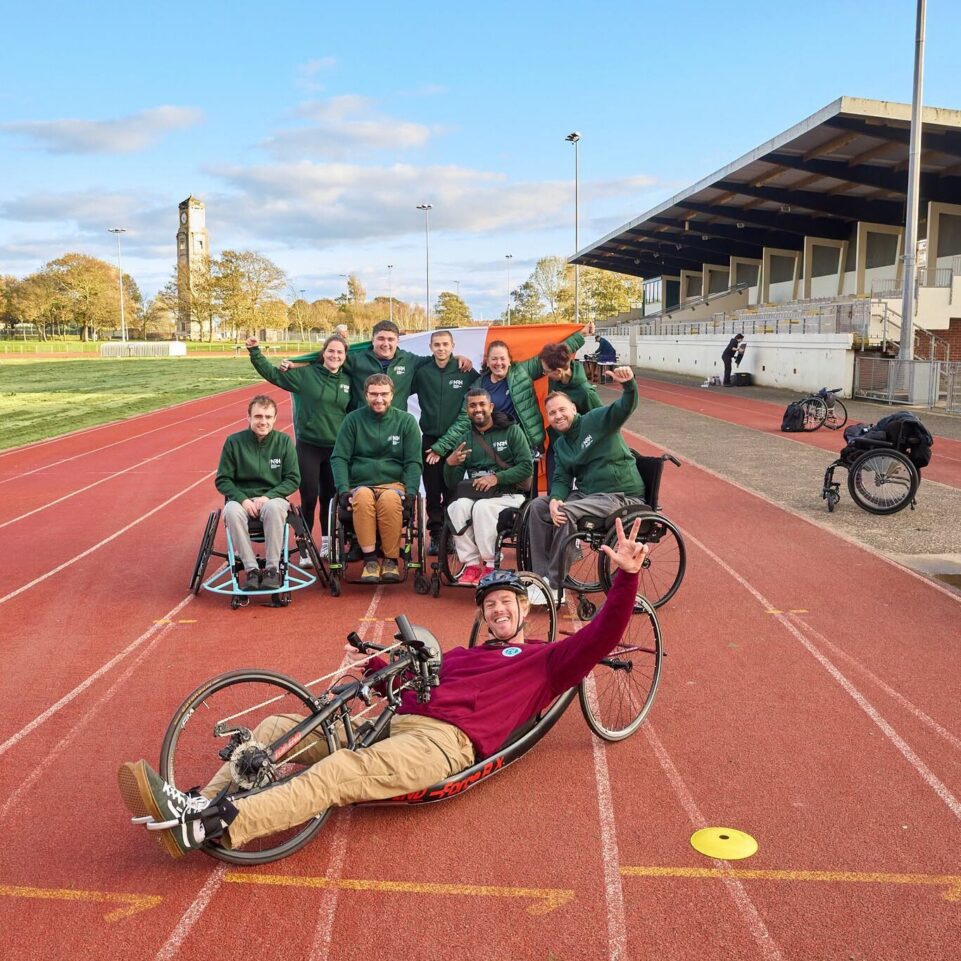
None of these walls are small, and I won’t pretend they are. But every single one I’ve hit has had a way round it, usually with a bit of planning, a few awkward questions and the right people in my corner.
You don’t have to be ready. You don’t have to be good. You just have to turn up once, and then once more. The confidence follows the action, not the other way round. Not sure where to begin? Get in touch with SIA. We’ll help you find your first step.
Cam, SIA Champion for Sport
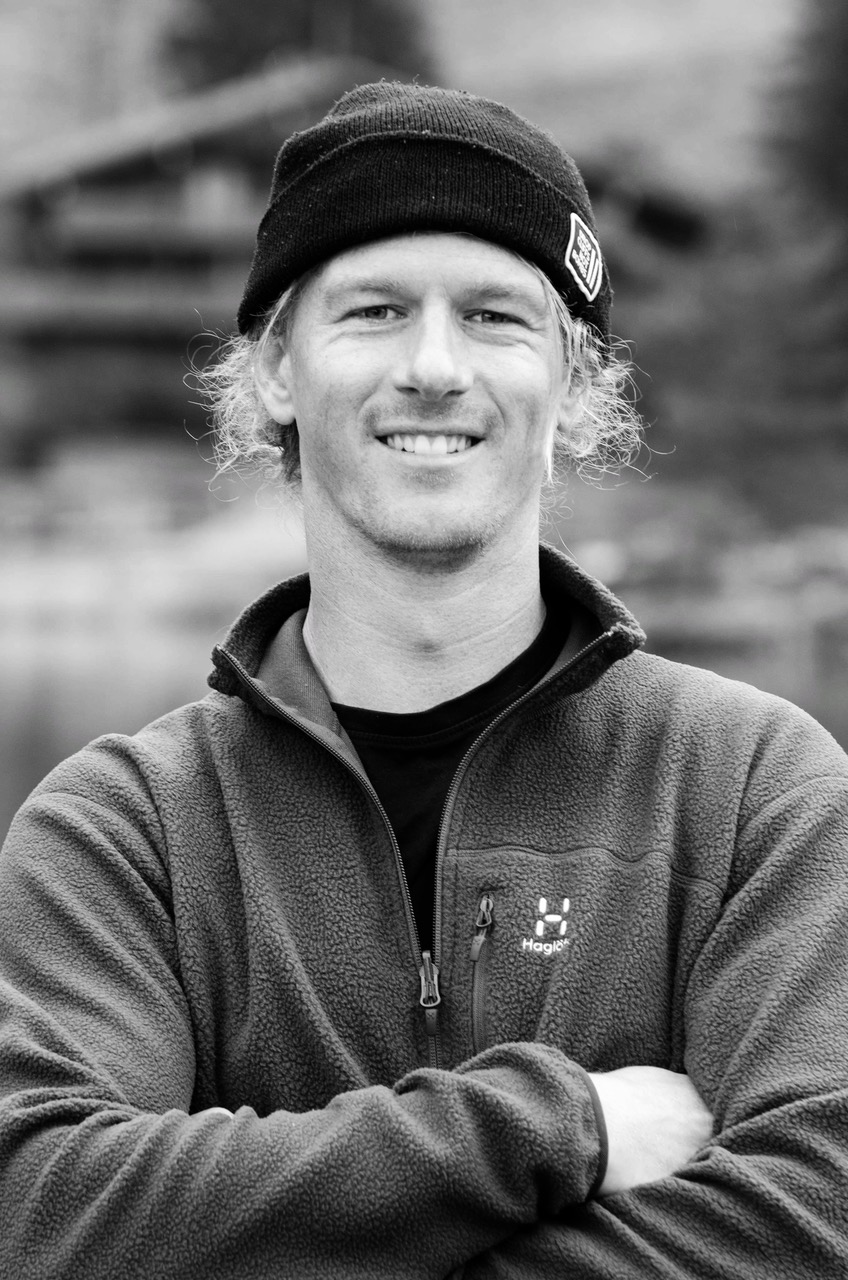
MEET CAMFOLLOW CAM ON INSTAGRAM
SIA champions represent our vision of a fulfilled life for everyone affected by spinal cord injury.
Experts in their own field, they share their knowledge, experience and achievements to educate and inspire others in diverse areas such as outdoor adventure, business and the arts. Each of our champions brings the SCI community together to support and encourage others with shared interests to prove that with the right support anything is possible.