News
People with spinal cord injuries due to cancer are reporting a lack of care
PRESS RELEASE: 20 OCTOBER 2026
People who have been paralysed following life-changing spinal cord injuries due to cancer are reporting lack of care and feeling abandoned after their cancer treatment.
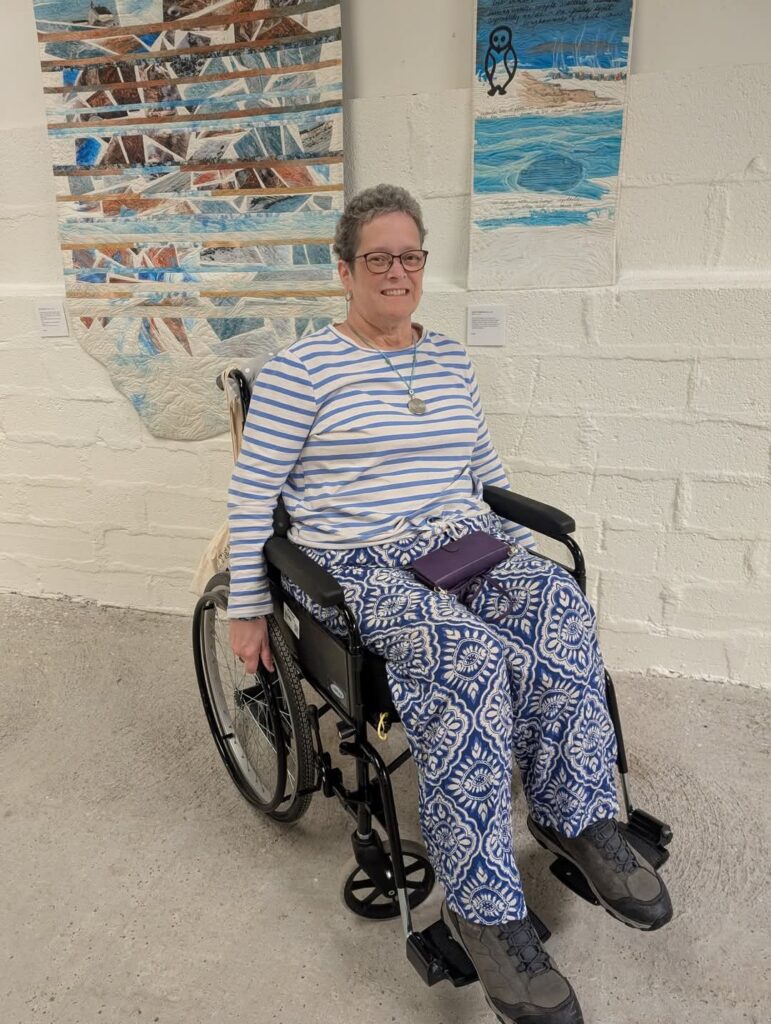
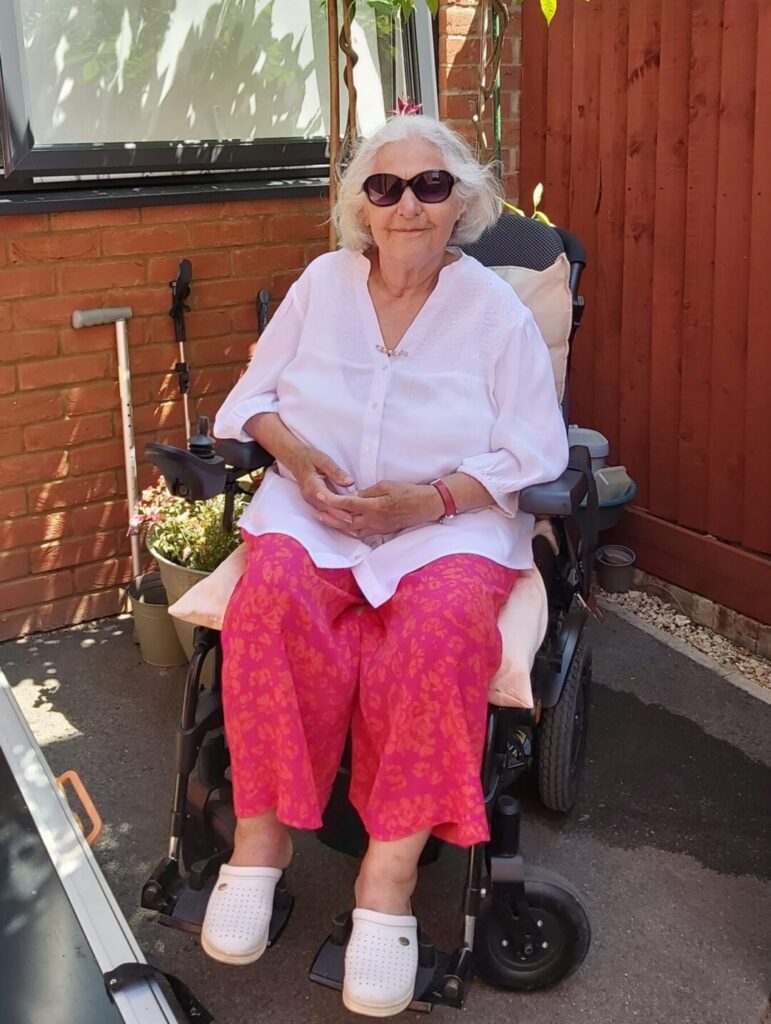
According to national charity Spinal Injuries Association, someone sustains a spinal cord injury in the UK every two hours. While a spinal cord injury may be caused by trauma, such as a road traffic accident, a fall, or violence, many people sustain the injury due to medical reasons. With an ageing population and with increased safety precautions in vehicles, the majority of spinal cord injuries are now caused by illness or disease.
One of the many medical causes of spinal cord injuries is cancer. According to Cancer Research UK, approximately 12,100 people are diagnosed with tumours in the brain or central nervous system each year. However, this does not include other types of cancer that can spread to the spinal cord, and many more people than this will sustain spinal cord injuries due to cancer or its treatment.
Spinal cord injuries can have life-changing and permanent impacts, with effects including paralysis, chronic nerve pain, and loss of bladder, bowel, and sexual function. Many people with spinal cord injuries require specialist rehabilitation, as well as ongoing specialist care in order to live a fulfilled life.
Paralympian David Smith MBE, who has openly discussed his long battle with cancer and tumours on his spinal cord, posted on Instagram in 2022, “Paralysis and Spinal cord injury hit me harder than my tumour.” David fought to rebuild his life and after a successful sporting career, he recently posted on October 13, “I have now not moved in over seven months and I found myself back in hospital struggling to breathe.”
People who have sustained spinal cord injuries due to cancer are reporting that they have been left without appropriate support for their disability once their cancer has been treated.
Nurse Lara Davies (54) from Rhuddlan in North Wales has cared for her son, Luke, since he sustained a spinal cord injury after a spinal stroke in 2015 when he was only 14-years-old. However, despite her extensive knowledge of spinal cord injury care, when Lara worked with cancer patients from 2016-2023, she says the treatment and support she could give to cancer patients was severely limited by lack of understanding from other staff and lack of access to specialist services.
Lara said, “People’s cancer can be managed and controlled for years with the right treatment, but the lack of rehabilitation and education around spinal cord injury just made patients give up. I don’t know what’s the point in trying to help people to live longer with treatments if they’re not able to live it with quality.”

Cancer patients from across the UK are reporting the same lack of spinal cord injury care witnessed by Lara.
David Bateman (52) from Halstead, Essex, said, “Ultimately, my life was on hold for a year and a half. I was just existing rather than living due to not being referred to spinal cord injury specialists when I first became paralysed. What I have witnessed firsthand is the waste of valuable resources because in the early years, I was looked after by the wrong people and the wrong departments. Now I just feel immense frustration at how much time I’ve lost because I’d had no neuro rehab specialist intervention, input, or support.”
Unable to find the support she needed from her hospital, Maria Clark (88) from Oxford turned to Spinal Injuries Association. She said, “If it wasn’t for SIA, I wouldn’t have known anything. The hospital doesn’t do anything. Nothing about the bowel, bladder, none of it.”
Spinal Injuries Association said, “People with spinal cord injuries often face a postcode lottery when it comes to accessing the vital help and support that they need to live a fulfilled life. Although people are receiving the cancer treatment they need, all too often we see people left with life-changing disabilities without the right support. Spinal cord injuries can impact every aspect of a person’s life, and it is essential that people are given the help they need to adapt and return to living the life they choose.”
SIA MEMBER STORIESSIA MEDIA ENQUIRIES
Our media team recognise the power of individual voices to change perceptions and are here to offer advice. As the expert, guiding voice for life after spinal cord injury we are always happy to share these stories with the media and to provide expertise on issues that surround disability.
If you have a media enquiry, please get in touch with our press and media team. Tel: 07498 990415 Email: [email protected]