Blog
Spinal Cord Injury and Cancer - Member stories
In 2017, David Bateman (52) from Halstead, Essex, was diagnosed with a tumour growing inside his spinal cord after months of symptoms including hypersensitivity, numbness, tingling sensations, and muscle pain. His cancer was treated with chemotherapy and radiotherapy in an attempt to stabilise the tumour.
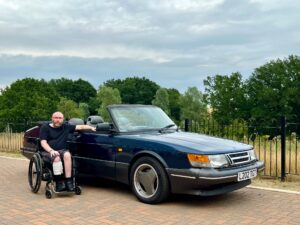
In March 2023, however, while in hospital undergoing treatment, David woke up one morning to find himself completely paralysed from the chest down. Despite doctors knowing the paralysis was caused by a spinal cord injury, David continued to receive treatment only for his cancer, with no referral to a specialist spinal unit.
David was sent home having been given a life expectancy of only 12 months. For the next six months, he would spend 12 hours a day in bed and 12 hours a day in a recliner chair, only leaving the house to go to A&E due to UTIs brought on by poor catheter management because of the lack of advice and support he had been given. David said, “It was the most depressing time. I stopped being a husband to my amazing wife and stopped being a dad to my two young daughters.”
For David, the loss of bladder and bowel control was the biggest barrier to living a fulfilled life as he stopped leaving the house due to fear of an accident. He said, “It was an incredibly isolating experience and I did feel like the world had abandoned me.”
Nurse Lara Davies witnessed similar treatment in her years working with other cancer patients who sustained a spinal cord injury as a result of their illness. She said, “The bladder and bowel care were just dismissed in my experience. It was just a case of put a catheter in and deal with the incontinence. The nurses just looked at me as if I were some kind of stranger if I mentioned having a bowel regime.”
During his treatment, David was in contact with multiple GPs, paramedics, hospice staff, oncologists, and urologists, but he was never offered resources or support for living with a spinal cord injury. It was only when he and his wife Jennie watched the documentary, The Boy Who Lived, which documents stuntman David Holmes’s own spinal cord injury and paralysis, that they discovered the existence of specialist spinal injury units.
From there, the couple requested a referral to Stoke Mandeville for David to attend rehabilitation and they were put in touch with Spinal Injuries Association by a receptionist. Since receiving the correct support, David is now returning to living a much more fulfilled life again.
David said,
“Ultimately, my life was on hold for a year and a half. I was just existing rather than living due to the delay in being referred to spinal cord injury specialists. What I have witnessed firsthand is the waste of valuable resources because in the early years, I have been looked after by the wrong people and the wrong departments. Now I just feel immense frustration at how much time I’ve lost because I’d had no neuro rehab specialist intervention, input, or support.”
David and Jennie have since gone on to work with their local hospital to improve staff knowledge of spinal cord injury care and increase awareness of organisations like Spinal Injuries Association so that other spinal cord injury patients do not suffer the same experiences.
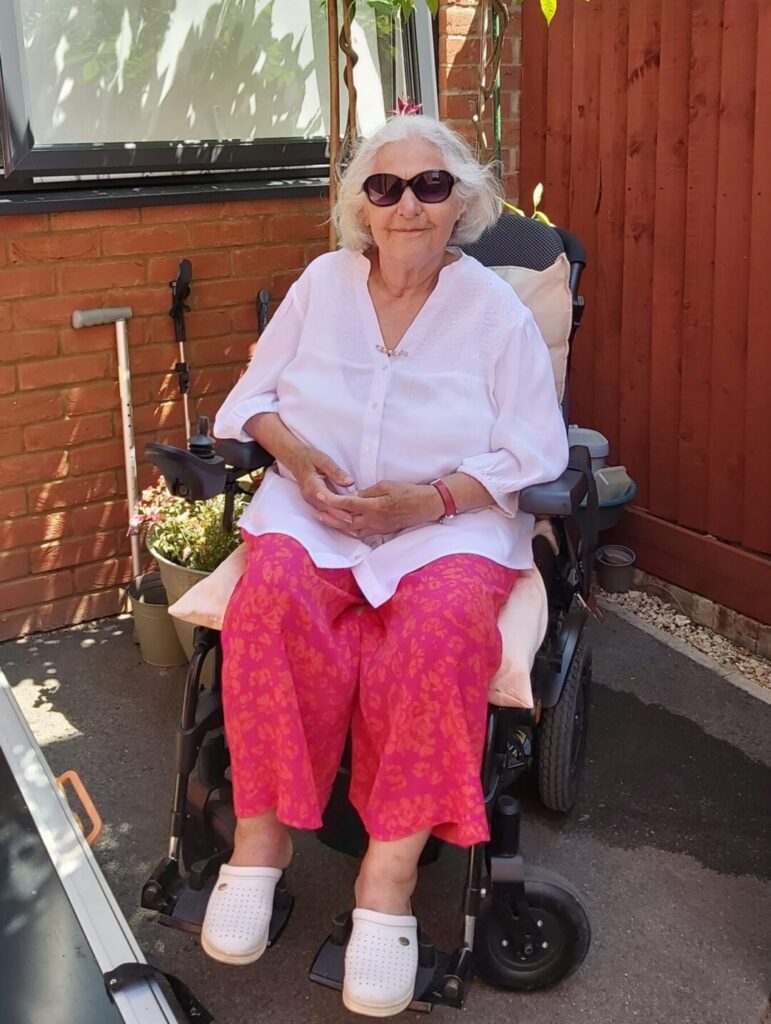
Following a diagnosis of cancer in 2021 which led to a spinal cord injury, Maria Clark (88) from Oxford said, “The cancer was treated very well. Absolutely first class, gold standard. But the treatment of my spinal cord injury was absolutely atrocious.”
While Maria regained some mobility and is able to walk short distances, she uses a wheelchair for most movement. She has also lost bladder and bowel function and experiences chronic nerve pain. With weakened muscles and difficulty moving, an MRI has shown red flags for spinal fractures, and her lower lungs have collapsed.
Maria was denied rehabilitation due to her cancer, and she has not been given any other support for her spinal cord injury from the NHS. Without the proper support and rehabilitation, Maria’s condition continues to worsen, and she now cannot walk up and down stairs.
Unable to find the support she needed from the hospital, Maria turned to Spinal Injuries Association.
She said,
If it wasn’t for SIA, I wouldn’t have known anything. The hospital doesn’t do anything. Nothing about the bowel, bladder, none of it.
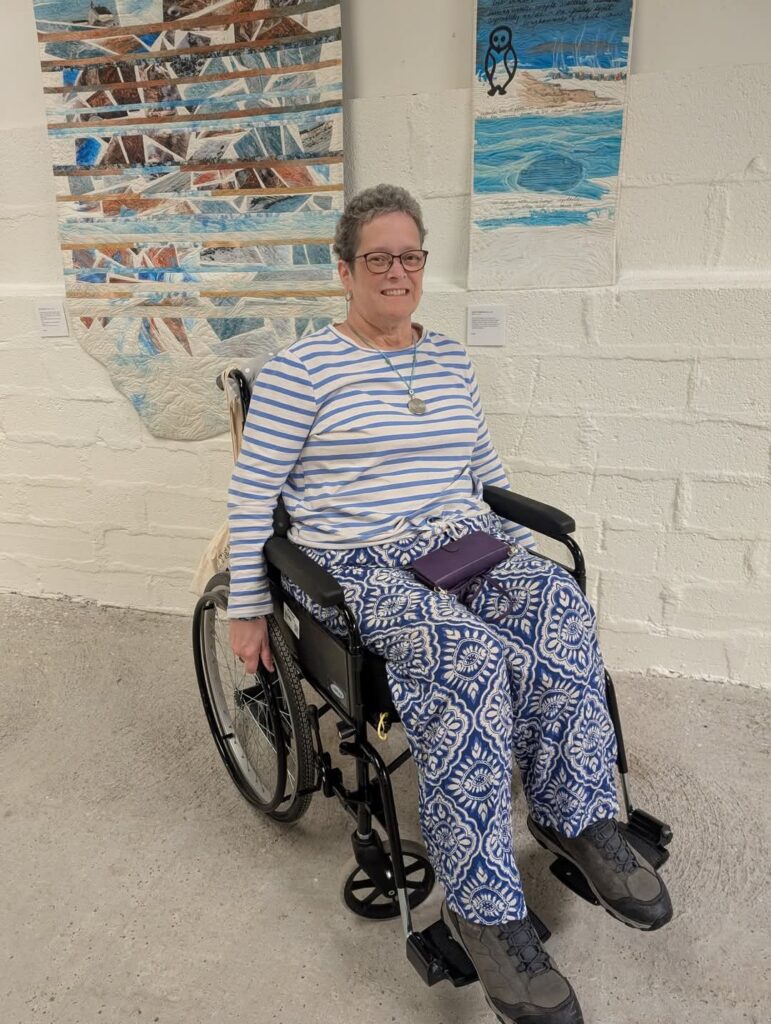
Karen Davey (54) from Launceston started experiencing fatigue, hot flushes, loss of appetite, and kidney pain in 2024. Initially thought by doctors to be symptoms of menopause, it was later revealed that Karen had stage four non-Hodgkin lymphoma in her kidneys, with a tumour wrapped around her spinal cord.
After one round of radiotherapy and six rounds of chemotherapy, Karen is in complete remission, but her tumour has had permanent effects and she is now a full-time wheelchair user as a result.
Karen spent time at Plym Neuro Rehab Unit, but with a lowered immune system from cancer and the treatment, she kept getting ill and having to go back to hospital. She would then have to wait for a bed to open up again to return to rehab.
Karen said,
“I’d gone from somebody who was quite active before. I’d do a lot of hiking across the moors, I used to go cold water swimming all year round. One of the last things I did before I got admitted to hospital was to abseil off a 120-foot viaduct for charity.
This isn’t how I had anticipated to be living for the rest of my life. I had to take 15 months completely off work and now only work part-time. I’m completely reliant on my husband, who has become my carer, when I was fiercely independent previously.
Having a spinal cord injury has curtailed my social life, even just going out to meet friends or going swimming or popping into town to look around the shops. The lack of dedicated services for those who sustain a spinal cord injury through cancer is appalling.”
More information
read the press releaseVISIT THE SCI KNOWLEDGE HUB
Our media team recognise the power of individual voices to change perceptions and are here to offer advice. As the expert, guiding voice for life after spinal cord injury we are always happy to share these stories with the media and to provide expertise on issues that surround disability.
If you have a media enquiry, please get in touch with our press and media team. Tel: 07498 990415 Email: [email protected]