Blog
Reclaiming my life after Cauda Equina Syndrome (Forward - Autumn 2026)
Deryck Deakin, 61, from Tamworth, shares how his experience of Cauda Equina Syndrome (CES has led him to want to support others.
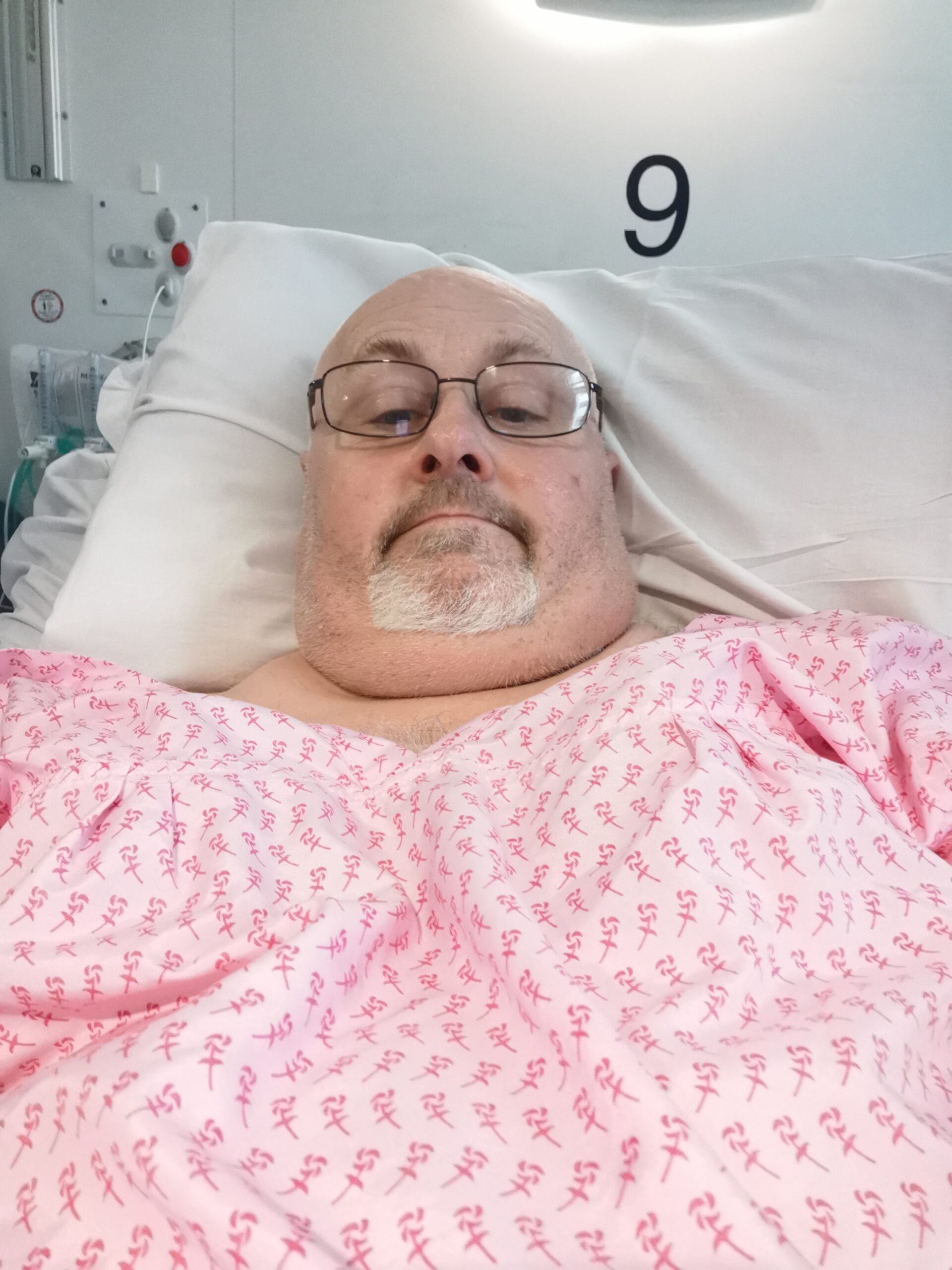
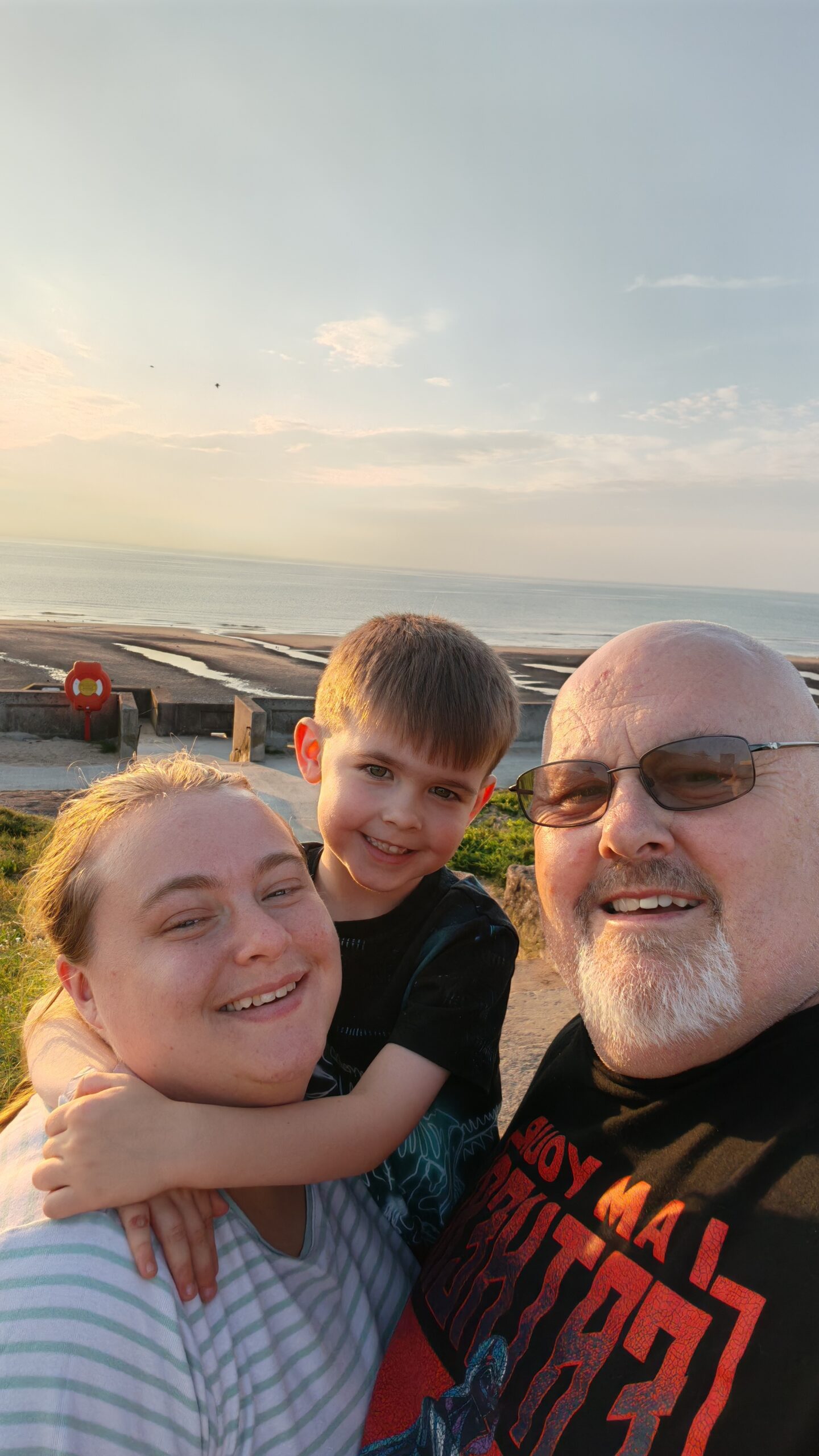
After collapsing following bouts of sciatic pain, Deryck Deakin got in touch with his local GP surgery where he learned about Cauda Equina Syndrome (CES) and the red flags to look out for. In 2013, Deryck had his first operation and ended up paralysed from the waist down for seven days.
It was a terrifying and bewildering time, and he had to channel all his inner strength to face rehabilitation. “It was a difficult time – my mum had just been diagnosed with vascular dementia,” Deryck explained. “I had to find that stubborn part of me that wasn’t going to give up. I remember the first time the physios took me down to the walking rails, I was really sweating when I reached the end. She said, ‘That’s it for today,’ and I said, ‘No, I’m going back down.’ And I did. I walked back and down again three times.” After Deryck regained his ability to walk and was able to return to work as a supervisor, life was looking pretty good.
In 2020, he and wife Laura had their son, Caleb. “I took every day as a given,” said Deryck. “Then, in 2022, I slipped and jolted my back. My back went into spasm. I rang 999, and they took me into hospital where we went through the process again – my second operation and more physiotherapy.” Deryck struggled with the mental toll his experiences had taken on him.
“The mental impact of my journey has been the biggest one,” he explained. “It took me a long while to find out I had PTSD. I was so angry.
I had to find some strength from somewhere to move forward and that’s when I reached out to SIA. I’d never been offered the service; it just came up on Facebook and I decided to give SIA a call.
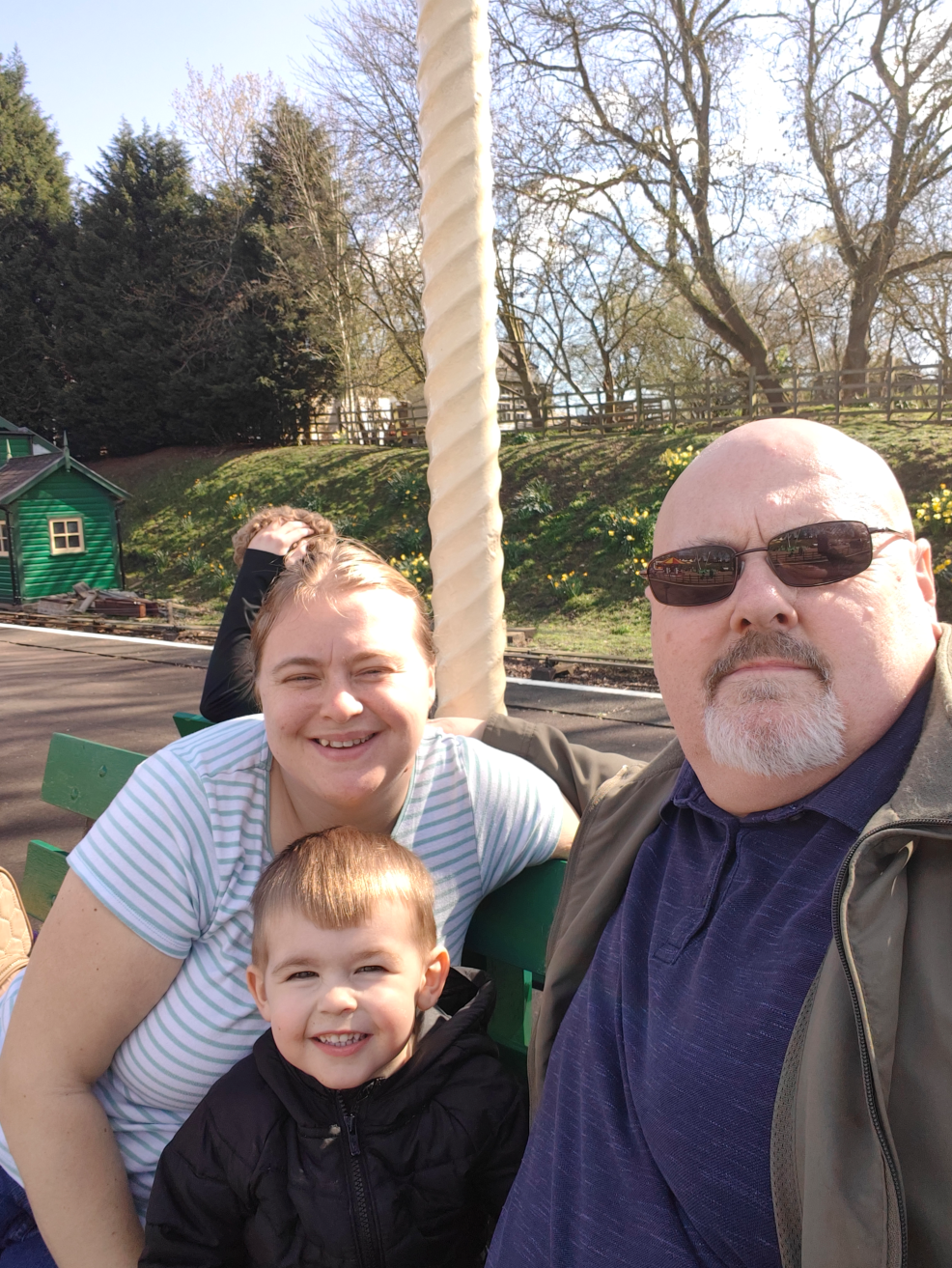
“There’s support in different areas available, from mental health to help with bladder and bowels, and I’ve connected with others whose journeys have been longer than mine. It’s amazing to be in touch with people who understand all the mental health and physical stages. I’ve found a stronger confidence over the years after learning many things and adapting my life for a positive future for my family.
“Now I’m a regular attendee of our community support group in Lichfield. It’s been fantastic, everyone there is so friendly. There are people there with the same injury as me and others with SCI at various levels. It’s changed me in a lot of ways and helped with my mental health. I’m now studying to be a counsellor because maybe I can put a bit of good back in.
“When I went to the community group for the first time it was to better understand CES – the understanding and support I’ve had from support coordinator Brendan Fitzgerald has been amazing.
I’m not alone now. Since discovering SIA and Cauda Equina Spinal Cord Injury (CESCI), I’ve found I can grow and develop my skills and understanding.
“A lot of us live with the ‘what if?’ factor. What if it happens again? You live with that fear,” said Deryck, “And now I’m reclaiming every part of those 13 years I lived with CES. I’ve got a new belief and I’m bringing that forward.”
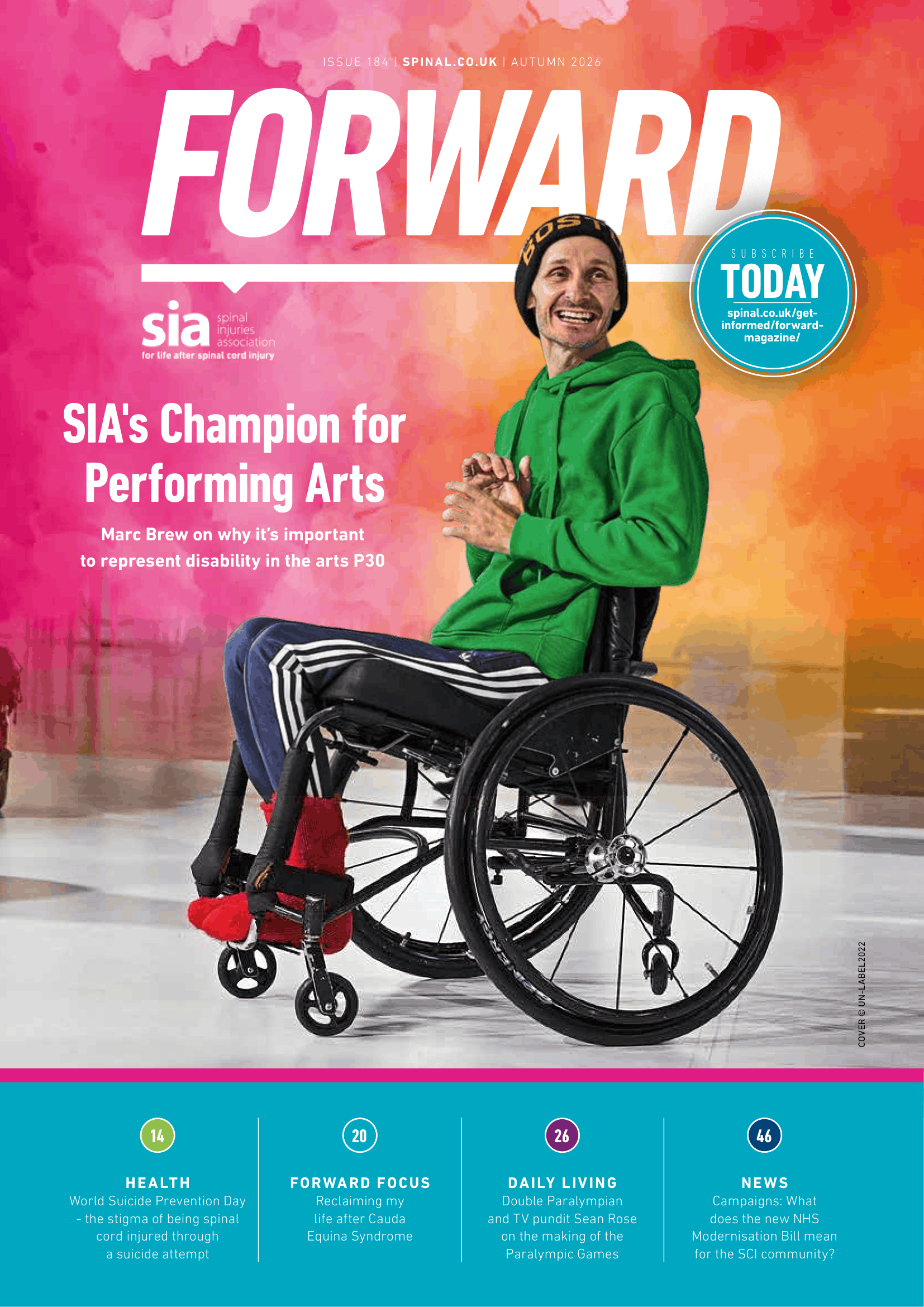 This article was featured in the Autumn 2026 issue of FORWARD, the only magazine dedicated to the spinal cord injury community.
SUBSCRIBE
Available either in traditional printed format or as a page-turning digital edition
- UK – £24 a year for print magazine, PDF only or PDF plus print
- Europe – £29 a year for print magazine, £24 for PDF only or £29 for print and PDF
- Overseas – £37 a year for print magazine, £24 for PDF only or £37 for print and PDF
We love to hear your ideas for stories and to let us know what you think of the magazine – so do get in touch by emailing [email protected]