Air Travel: Managing your mobility equipment
This page contains information on air travel and your mobility equipment whilst flying. It explains how your equipment is handled at an airport and what you can do to reduce the risk of damage or loss of your equipment.
Good planning and preparation are important to make your journey as smooth as possible. There may be many processes to follow. When planning your air travel it is important to think about your mobility equipment and how it might be handled at an airport.
Manual Wheelchairs
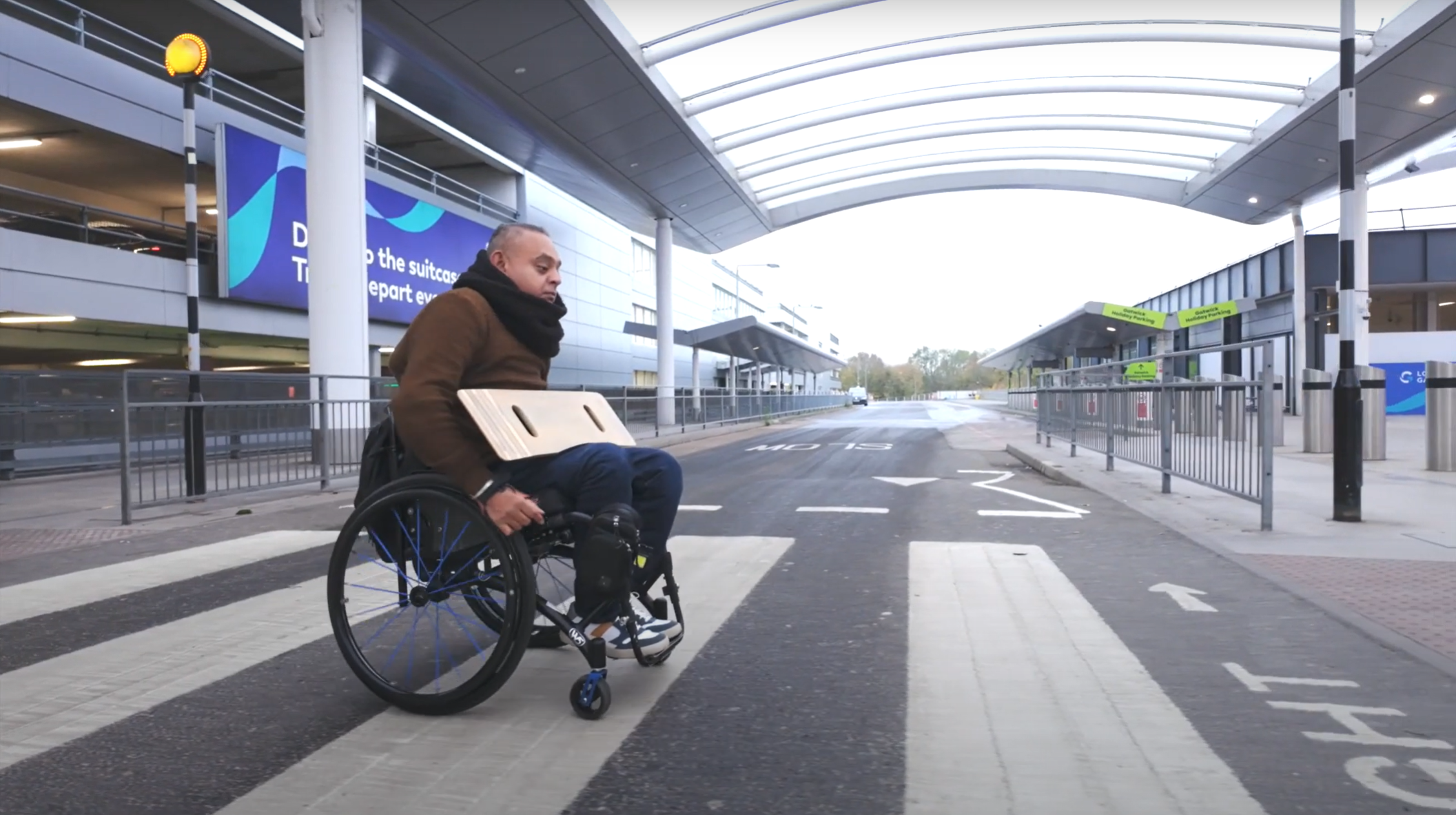
You will need to inform the airline that you need to take your wheelchair up to the gate. You are allowed to stay in your own wheelchair until you board the plane. The airline will ask for the make and model of your chair and the measurements. These can all be found on the manufacturer’s website.
When you are at the plane you will need to transfer out of your wheelchair onto an aisle chair to get on the plane. You should take off any removable parts from your wheelchair so there is less risk of them being damaged or getting lost, for example, arm rests, side guards and foot plates. These can all be stored in the hold. It can be useful to attach a document to the back of your wheelchair which shows how it can be folded up and put back together. This can be used by staff at the airport. Use pictures or photos to show any buttons or working parts. This will help in other countries where airport staff may not speak English. You could also give instructions in the language of the country you are visiting (use a translation app). Be confident in telling staff how to handle your equipment.
TIP! … We would suggest taking a wheelchair toolkit and spare inner tube/puncture repair kit in your hold luggage for repairs/maintenance when you’re away (see wheelchair maintenance information sheet). It might be worth researching places that could repair your wheelchair at your destination, in case it gets damaged.
Powered wheelchairs
You will need to inform the airline in advance that you will be travelling in your powered wheelchair up to the gate. You are allowed to stay in your own wheelchair until you board the plane. The airline will ask for the make and model of your chair and the measurements. They will also talk about the type of battery it uses. These can all be found on the manufacturer’s website.
You will need to transfer out of your powered wheelchair to get on board the plane. An aisle chair or a hoist might be used for you.
Before boarding you need to take off any removable parts from your wheelchair so there is less risk of them being damaged or getting lost, for example, arm rests, side guards and foot plates. These can all be stored in the hold. Your wheelchair power (the battery) will need to be disconnected before being loaded into the hold of the aircraft.
A copy of the owners manual will show how to do this. It can be useful to attach a document to the back of your wheelchair with step by step instructions on how it can be folded up and put back together and how to disconnect the battery. This can be used by staff at the airport. Use pictures or photos to show any buttons or working parts. This will help in other countries where airport staff may not speak English. You could also give instructions in the language of the country you are visiting (use a translation app). Be confident in telling staff how to handle your equipment.
For more information on battery types see the Powered Wheelchair information sheet:
POWERED WHEELCHAIR
Walking Aids
You will be able to take walking aids such as sticks, elbow crutches and walking frames up to the gate if you need to use them to get around the airport. Walking sticks and crutches, are able to be stored in the aircraft cabin, so can be taken on the plane. Walking frames are more likely to be put in the hold, so you will be able to take them to the plane doors.
If your walking frame can fold, they can sometimes be stored in the cabin. Check with each individual airline as it will depend on the aircraft size and their policies. You can buy folding walking sticks which can be useful when travelling as they are compact and easy to store when not being used.
Cushion
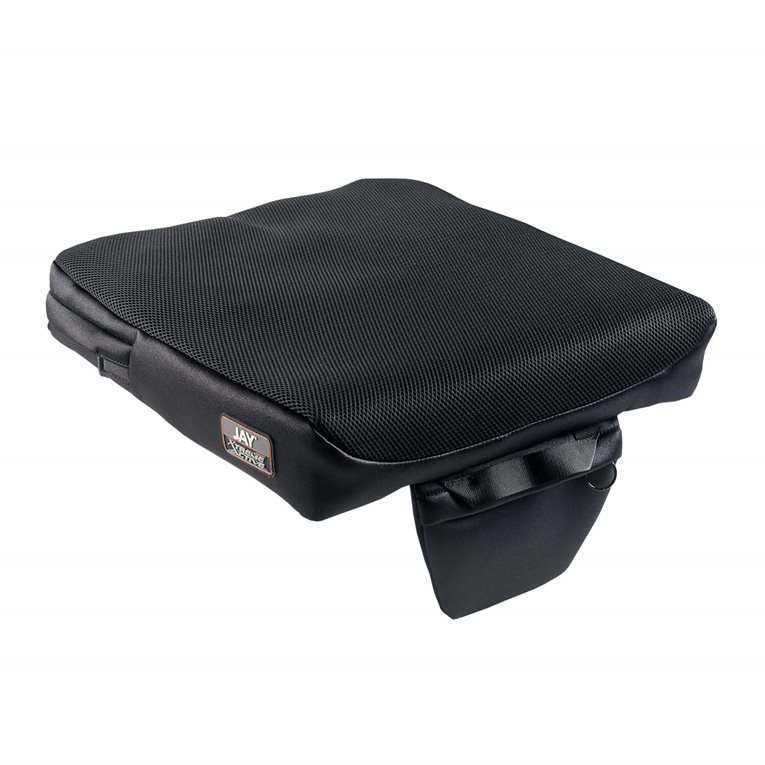
We would recommend you remove your cushion from your wheelchair and sit on it during the flight to reduce the risk of any damage to your skin while you sit in the aircraft seat.
Think about how the flight could affect your cushion. Air based cushions, such as a ROHO cushion, may be affected by the changes in air pressure. It is important you know how to check the inflation level of your cushion (how much air is in your cushion) and adjust it as needed (add more air or remove air). Remember to take the pump with you to do this.
Different temperatures/climate at your destination can also affect your cushion, for instance, gel cushions become more fluid in the heat and more solid in cold temperatures.
For more information on cushions and cushions maintenance see our wheelchair maintenance information sheet:
WHEELCHAIR MAINTEANCE
Other equipment …
Larger pieces of equipment such as beds, mattresses and shower chairs can often be hired for your holiday (see links below for some options). Check with your travel provider or hotel to see if they can assist you with this. If you are a frequent traveller, you may prefer to buy specific travel equipment such as a folding shower chair which will be provided with a travel bag for protection.
TIP! … Remember medical equipment is not included in your airline weight allowance but you must tell the airline what equipment you are taking so they can plan where/how it will be stored on the aircraft.
Storing in the hold
Depending on the type of plane, your wheelchair may be loaded into a separate container to go in the hold. In other aircraft, it is loaded directly into the hold but will be placed in last.
Equipment hire
There are a number of rental companies who can help with the hiring of mobility scooters, wheelchairs, hoists, shower chairs etc. These include, Mobility Hire, Mobility Equipment Hire Direct and Mobility at Sea.
Air Tags
Air Tags can be helpful to track your wheelchair. This can give peace of mind, that your wheelchair has been stored on the plane and that it has arrived at your final destination.

Download the information sheet
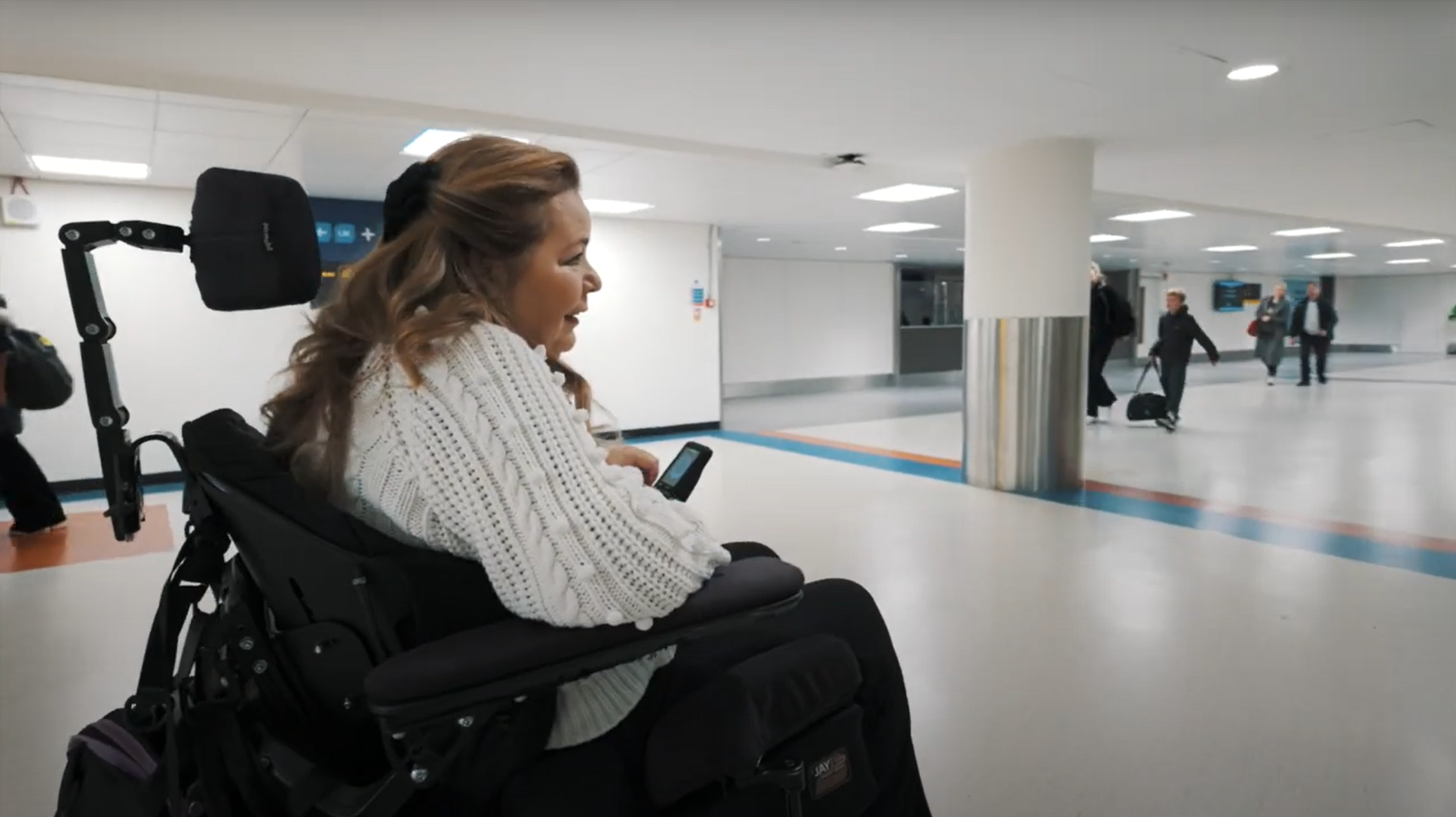
Information sheets
Air Travel: At the airport
This page covers all the steps you need to think about from arriving at the airport to getting on a plane. Good planning and preparation are important to make your journey as smooth as possible. Read More...
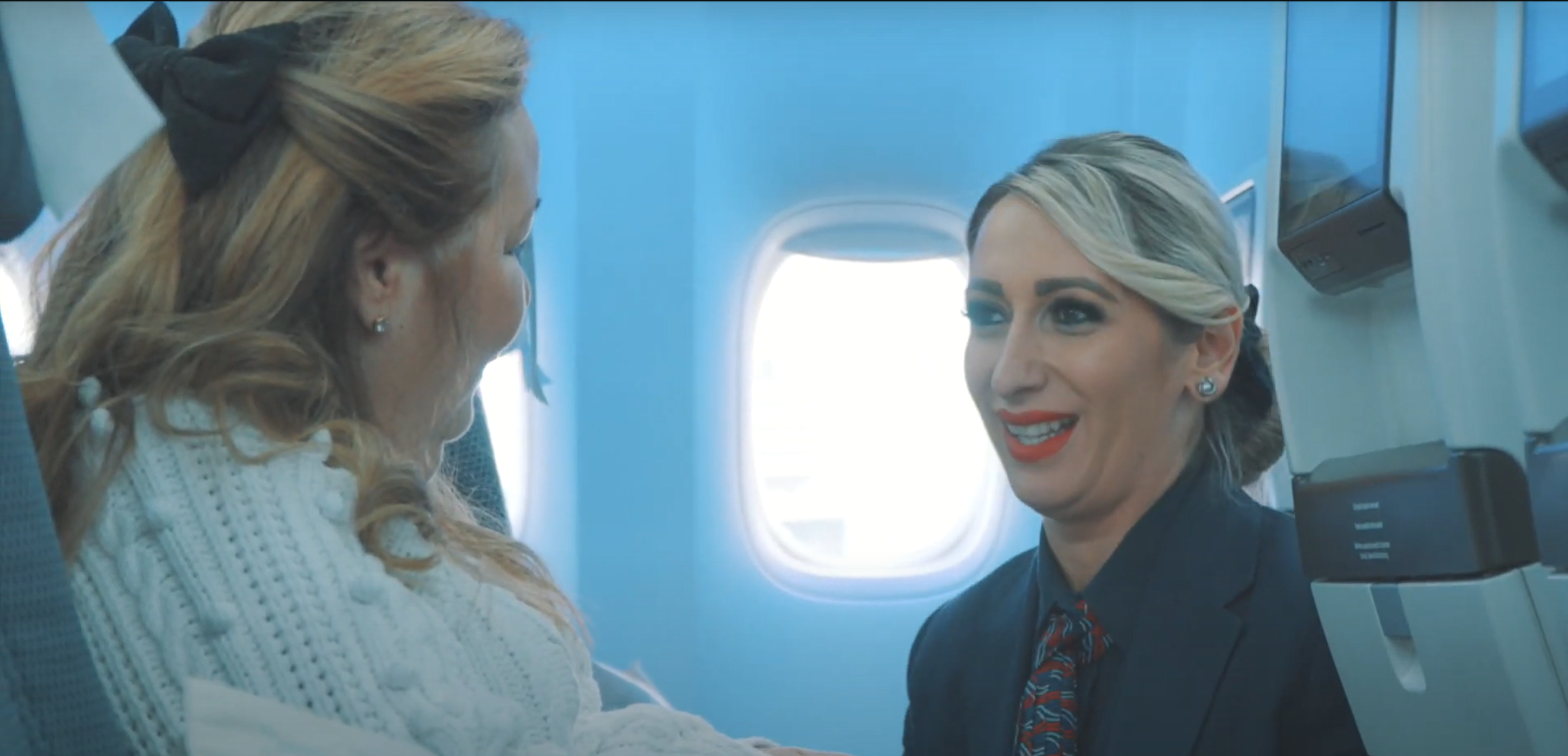
Information sheets
Air Travel: Managing your health pre and in flight
Once you have booked your flight, take some time to think about your health care needs and how you might need to prepare for these when flying Read More...
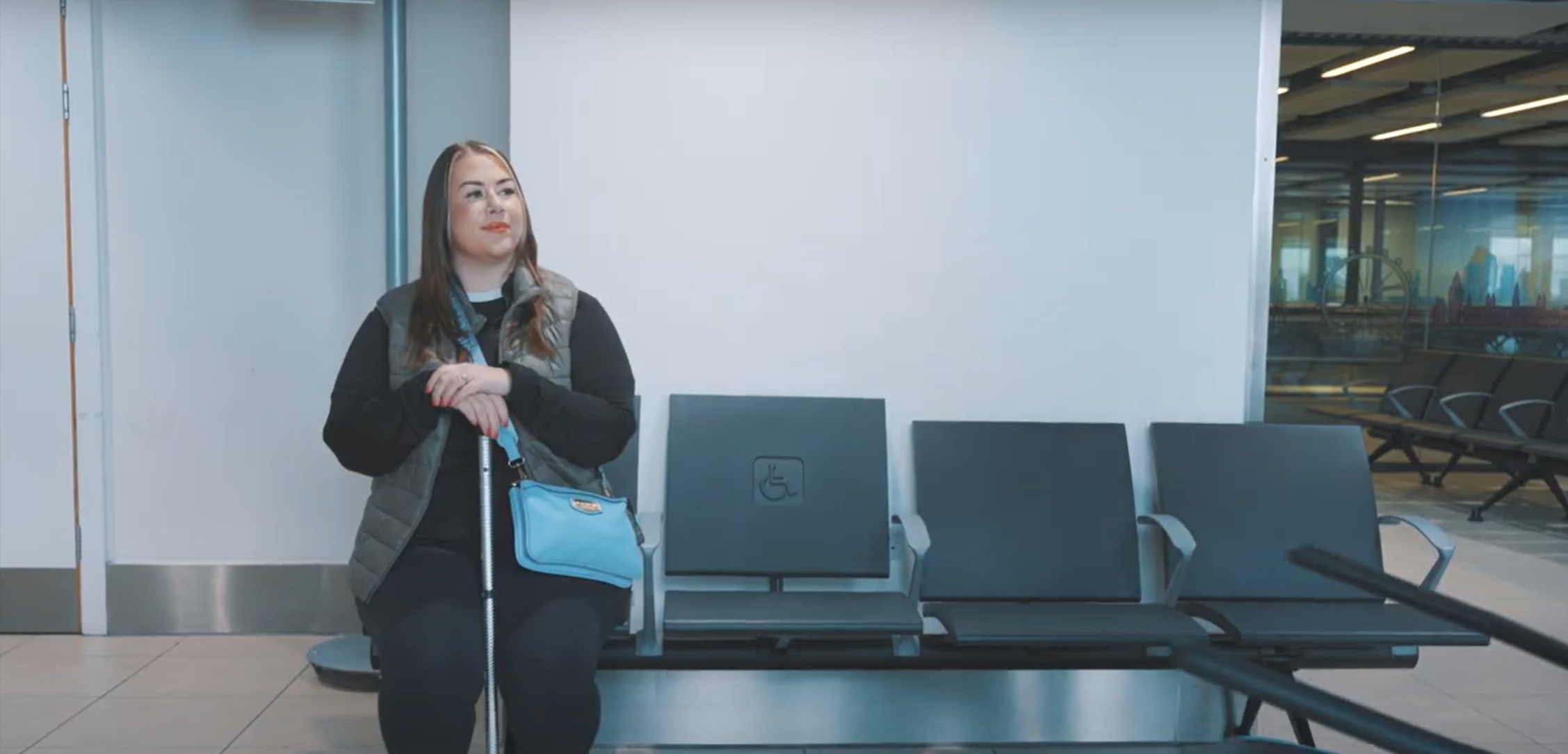
Information sheets
Air Travel: Preparation
This page contains information for people with spinal cord injury and cauda equina syndrome who want to travel by air. Good planning and preparation is important to make your journey as smooth as possible. Read More...

Videos
Air travel – arrival, check in, security and assistance
In this video we join our SIA members as they arrive, check in, visit the assistance desk, and go through security. Read More...
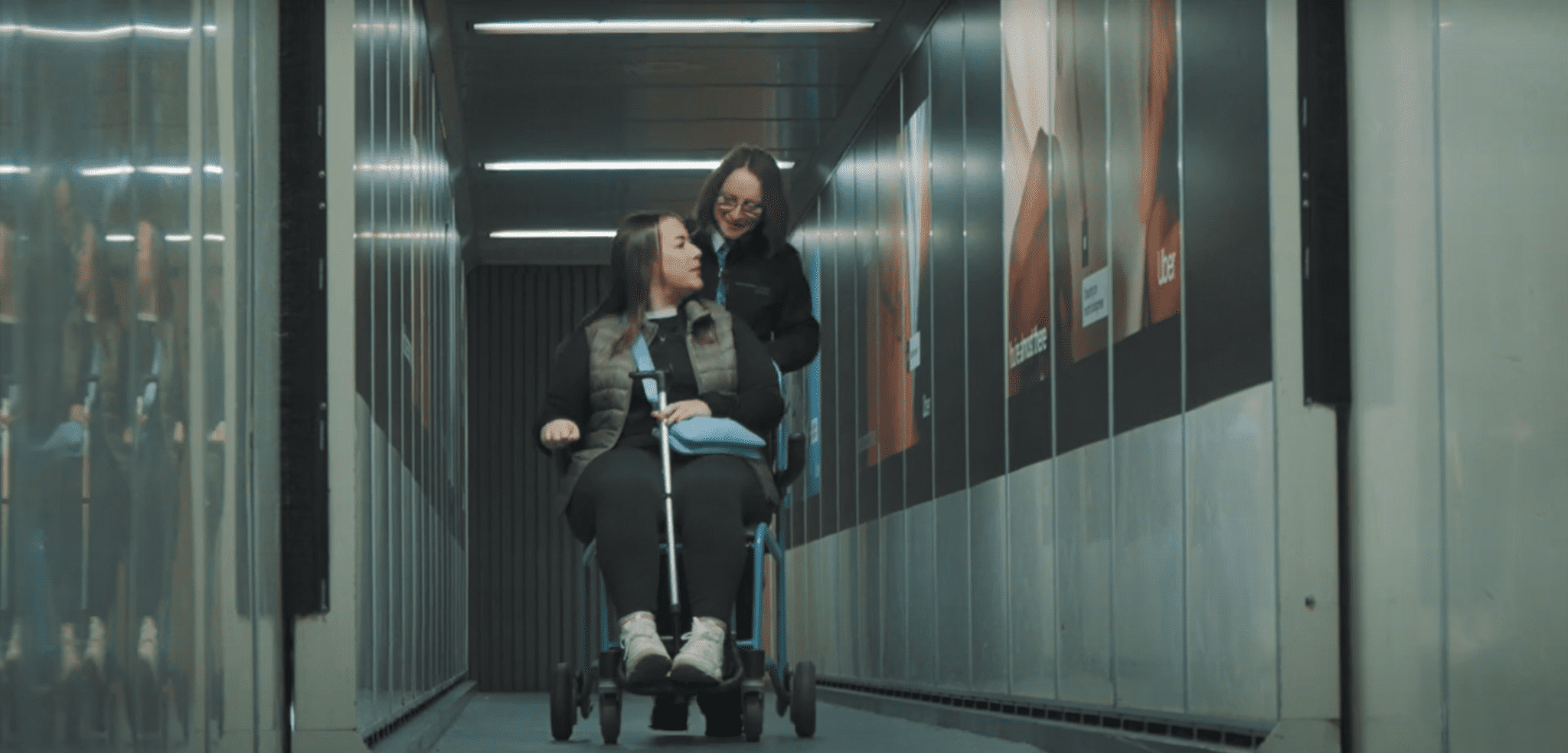
Videos
Air travel – assistance and boarding
In this video we join our SIA members as they they meet the airport assistance team and board the plane. Read More...