Blog
Deman Rockers SCI Story
Long before his spinal cord injury music was at the centre of David Destouche’s (aka Deman Rockers) life. It was more than a career, it was family, purpose, expression and community.
Performing alongside his brother in the Ragga Twins, he travelled across the UK and abroad, recorded in studios, played festivals and built a life around the sound they created together. Those who knew him knew his voice, his energy and his presence. On stage he could move with the music, connect with audiences and share in the rhythm of a wider creative community.
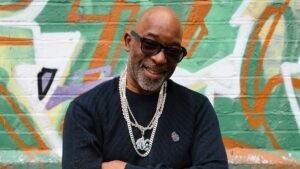
The injury changed his life, but not his identity
Following the spinal cord injury, almost every part of daily life became harder. David spent many months in hospital and rehabilitation, away from music, away from familiar routines and away from the independence he had known. The details of how the injury happened are not the focus of this story, particularly because the circumstances remain subject to an ongoing legal case. What matters here is what came after, the strength it has taken to rebuild, the barriers he has faced, and the barriers he still faces every day.
David’s voice, once his instrument, has been affected. Singing now takes far more effort. Breath, strength and stamina are limited, and in the studio he can no longer record long passages in the way he once did. Instead, he has to build songs piece by piece, line by line, adjusting to a body that no longer responds as it did before. His hands, movement, breathing and speech have all been changed, yet his connection to music remains.
Tasks that once happened without thought — getting up, moving around the house, going to the toilet, holding objects, hugging family members or entering familiar spaces — now require planning, equipment and support. That loss of independence has been one of the hardest barriers to face.
The barriers are not only medical, at home David has faced many challenges. Part of the sitting room has had to become his bedroom because he cannot access the upstairs space. Equipment fills the room and movement through the house is difficult. He cannot freely reach the shower or the garden, and even leaving through the front door can be so hard that he often remains indoors.
Yet he has continued to look for ways forward. Rehabilitation helped him regain some strength, and he has remained determined to keep working towards improvement even when progress is slow and uncertain. He continues to hope for more movement and more independence, while accepting that recovery is not a straight line and that every gain has to be fought for.
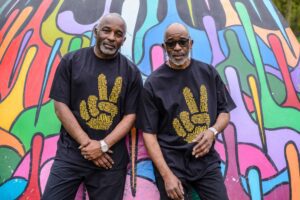
Community has become even more important
Before the injury, community was found in music: in studios, venues, festivals, rehearsals, audiences and the bond with his brother. Since the injury, community has taken on a deeper meaning. It is found in family members who help when formal support is not enough, in people who still recognise his gift, and in the creative circles that continue to remind him that he is missed and valued.
The Spinal Injuries Association has helped him connect with a wider network of support, giving him access to people who understand the realities of spinal cord injury and can offer practical advice, shared experience and a sense of community beyond his immediate family and friends.
But support has not removed every barrier. Some venues are not wheelchair accessible. Studio spaces are not always designed for someone who records from a wheelchair. David can no longer stand or move around on stage as he once did, and performances that were once energising can now be physically demanding. He still attends some music events and activities, but far less often than before, and the enjoyment he once felt has been sharply reduced by the effort involved.
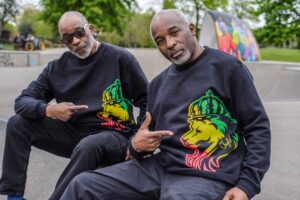
Support, dignity and the need for rehabilitation
The care and rehabilitation he has received have not always matched what he needed. Specialist rehabilitation helped him become stronger, but later placements and support arrangements did not always understand the realities of spinal cord injury. At times, he has had to explain his own care needs to others. Without consistent physiotherapy and specialist support, progress has been harder to maintain.
He now pays privately for physiotherapy because he believes ongoing rehabilitation is essential. Equipment has helped, but equipment alone does not rebuild strength, confidence or independence. What he wants is the chance to keep working, to move more, sing more, take part more fully in family life, and return as far as possible to the community that shaped him.
David has overcome enormous barriers already, months away from home, changes to his voice and body, inaccessible spaces, dependence on others and a system that has not always provided the support he needs. But the barriers have not disappeared. They continue in his home, in public spaces, in music venues, in rehabilitation and in the daily struggle for dignity and independence.
What carries him forward is the same force that shaped his life before the injury, the music that gave him a community.
RAGGA TWINS OFFICIAL (INSTAGRAM)
Ragga Twins’ Deman Rockers bedbound after spinal injury, fundraisers launched